Lithium Battery for Telecom Towers: Reliable Off-Grid Site Power
Lithium Battery for Telecom Towers: Reliable Off-Grid Site Power
Remote BTS and microwave sites run 24/7, so a dead battery is a dropped coverage hole for thousands of subscribers. A trusted lithium battery manufacturer can specify a pack that meets the duty cycle, certifications, and footprint your telecom towers application requires.
Why Telecom Towers Needs a Better Battery
Telecom loads are steady and critical: radios, rectifiers, and backhaul must stay up through grid outages and seasonal diesel shortages. Lithium’s low self-discharge and long calendar life mean a site visited twice a year still has capacity, while lead-acid would sulphate and fail between visits. The battery also rides through the milliseconds-long transfers that knock legacy banks offline, keeping the cell site green even when the utility blinks.
Where Telecom Towers Battery Adds Value
From a total-cost view, the saving is in truck rolls. Every site visit to water, equalise, or replace a failed lead-acid bank costs far more than the cells themselves, especially in mountainous or flood-prone terrain. A lithium bank that simply works for years shrinks opex, improves uptime SLAs, and lets engineers focus on capacity upgrades instead of battery babysitting. Over a five-year horizon the maths usually favours lithium decisively.
Key Telecom Towers Battery Requirements
- Wide temperature operation (-30 to +55 C) with optional heater
- Remote monitoring over RS485/CAN to the NOC
- Deep-cycle LFP rated for daily or weekly discharge
- IP65 enclosure against dust, humidity, and rodents
- Integrated fire suppression for container sites
Chemistry Comparison
| Attribute | LiFePO4 | NMC | Lead-Acid |
|---|---|---|---|
| Energy density | Medium | High | Low |
| Cycle life | 3000–6000 | 1500–2500 | 300–500 |
| Thermal safety | High | Medium | Medium |
| Fast-charge | Good | Excellent | Poor |
| 10-yr cost | Low | Medium | High |
Sizing and Deployment
Size to the autonomy window (often 24-72h) at the site’s worst-case load, including the radio and any air-conditioning surge. Pair with a appropriately sized solar array or generator tie-in so the battery is a buffer, not the only source. Use a hybrid rectifier that prioritises the battery when the grid fails, and model the worst month, not the annual average, so summer heat does not quietly erode your margin.
Deployment Tips
- Add solar to extend autonomy and cut diesel runs
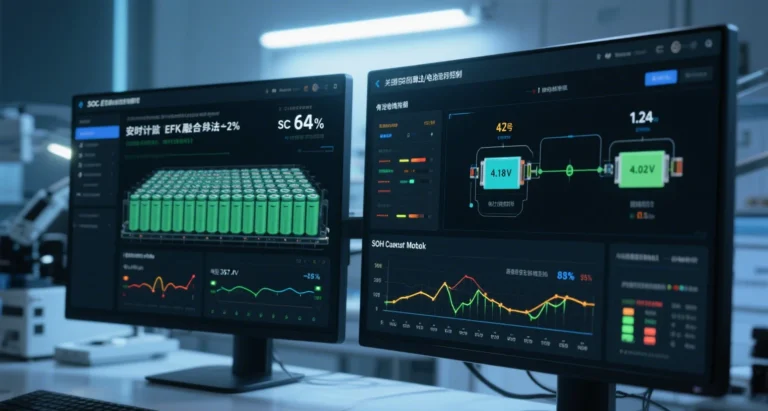
- Alarm on state-of-health so failures are predicted, not discovered
- Use a hybrid rectifier that seamless-fails to battery
- Standardise the BMS protocol across sites for one NOC dashboard
- Document the duty cycle so future upgrades are straightforward
Choosing the Right Lithium Battery Supplier
When sourcing a lithium battery for your application, prioritise a manufacturer with proven cell-level traceability, third-party certification (UN38.3, CE, UL where required), and a BMS that reports state-of-health over CAN or RS485. Ask for cycle-life data at your actual depth of discharge rather than nameplate, and confirm the charger and enclosure match your duty cycle. A supplier that provides application engineering – not just cells – will save you from costly field failures.
People Also Ask
Do I still need a generator? For long outages, yes; lithium handles short-to-medium gaps silently and cleanly, with the genset as backstop. Many sites now run generator-free for weeks at a time.
How long between site visits? With LFP you can extend to 6-12 months versus 3-4 for lead-acid in hot sites, which is the single biggest opex win for remote networks.
Written by Karl at China Battery Technology. Request a quote.
Related reading: Lithium Battery for Electric Winch: Cranking Power Without the Voltage Drop