Lithium Battery for Forklifts: Cleaner, Faster Material Handling
Lithium Battery for Forklifts: Cleaner, Faster Material Handling
Warehouses are swapping lead-acid traction batteries for lithium packs that charge during coffee breaks and never need watering. A trusted lithium battery manufacturer can specify a pack that meets the duty cycle, certifications, and footprint your forklifts application requires.
Why Forklifts Needs a Better Battery
A forklift draws a steady traction load with frequent opportunity-charging windows between shifts. Lithium accepts high charge current, so a partial top-up during breaks replaces the dedicated change-out room lead-acid requires. Elimination of acid handling and equalise charging also removes a major safety and floor-space burden, and the pack stays at full power until it is genuinely empty rather than sagging through the shift the way a lead-acid bank does once it passes 50% state-of-charge.
Where Forklifts Battery Adds Value
Beyond the floor, lithium changes the economics of the whole fleet. Because a single pack lasts the life of several lead-acid units, the spare-battery inventory, the change-out labour, and the battery-room footprint all shrink. Operators report fewer mid-shift slowdowns, cleaner air in enclosed warehouses, and a simpler compliance story with no spilled acid or hydrogen-ventilation requirements to manage. The charger becomes a parking spot, not a service bay.
Key Forklifts Battery Requirements
- IP54+ pack enclosure resistant to shock and rack impact
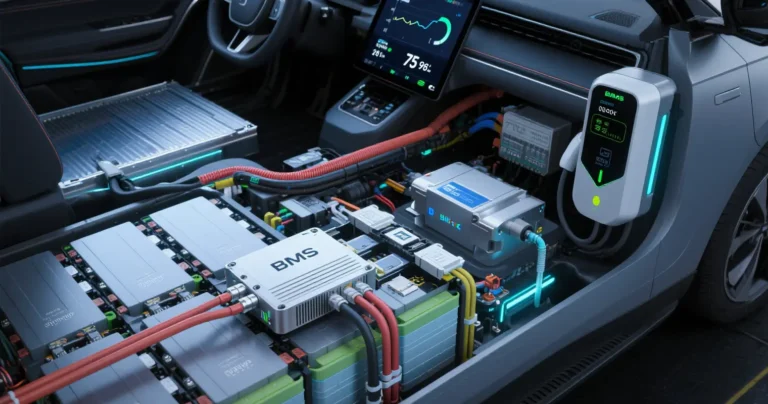
- CAN-bus BMS reporting state-of-charge to the fleet manager
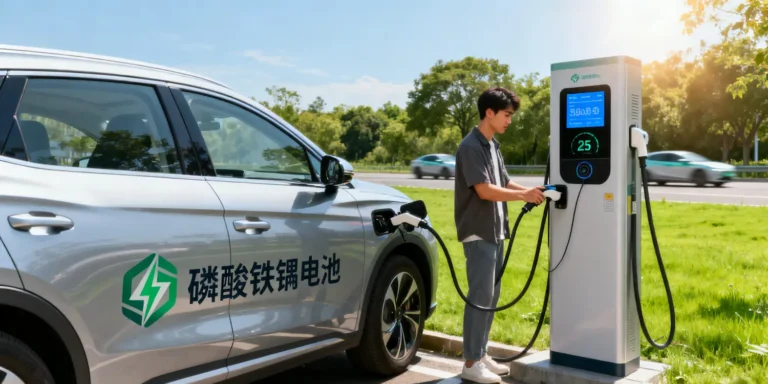
- Opportunity-charging profile compatible with existing 80V/48V chargers
- Thermal management for ambient -10 to +45 C depot duty
- Automatic contactor and emergency disconnect for safety
Chemistry Comparison
| Attribute | LiFePO4 | NMC | Lead-Acid |
|---|---|---|---|
| Energy density | Medium | High | Low |
| Cycle life | 3000–6000 | 1500–2500 | 300–500 |
| Thermal safety | High | Medium | Medium |
| Fast-charge | Good | Excellent | Poor |
| 10-yr cost | Low | Medium | High |
Sizing and Deployment
Match voltage to the truck platform (48V, 80V, or 96V) and capacity to the worst shift. Because lithium delivers full power to 80% depth, you can often downsize amp-hours versus lead-acid while gaining runtime. Plan the charger count around your opportunity-charging windows so no truck waits, and keep a small floating spare for trucks in service rather than a whole room of swaps.
Deployment Tips
- Standardise one voltage platform across the fleet to simplify chargers and spares
- Use opportunity charging at breaks instead of battery swap rooms
- Track each pack’s throughput to schedule balanced maintenance before capacity fades
- Train operators to plug in between shifts – no full change-out needed
- Right-size Ah; lithium needs less nameplate than lead-acid for equal work
Choosing the Right Lithium Battery Supplier
When sourcing a lithium battery for your application, prioritise a manufacturer with proven cell-level traceability, third-party certification (UN38.3, CE, UL where required), and a BMS that reports state-of-health over CAN or RS485. Ask for cycle-life data at your actual depth of discharge rather than nameplate, and confirm the charger and enclosure match your duty cycle. A supplier that provides application engineering – not just cells – will save you from costly field failures.
People Also Ask
Can lithium drop into my existing forklifts? Yes, with a compatible charger and tray. Most 48V/80V trucks accept an LFP drop-in after a quick electrical check, and many OEMs now ship lithium as the default.
How much runtime do I gain? Typically 20-40% more usable runtime per shift versus lead-acid of equal nameplate, plus you eliminate change-out downtime entirely, which often matters more than the raw amp-hour gain.
Written by Karl at China Battery Technology. Request a quote.
Related reading: Lithium Battery for Electric Winch: Cranking Power Without the Voltage Drop