Sodium-Ion Battery for Community Microgrid: Affordable Resilience
Sodium-Ion Battery for Community Microgrid: Affordable Resilience
Neighborhoods and remote villages are building microgrids to share solar, ride out outages, and cut diesel use. For these stationary, space-tolerant systems, a sodium ion battery offers abundant, non-critical materials and strong cold-weather behavior at a lower material bill than lithium.
Why Microgrids Favor Sodium
A community microgrid stores energy in containers or a building, so weight and volume matter far less than per-kWh cost and safety. Sodium-ion uses aluminum, iron, and manganese instead of lithium, nickel, and cobalt, removing supply-chain exposure. Cycle life of 3000-6000 at daily depth suits the sun-up/sun-down rhythm of a solar microgrid.
Cold-Climate Advantage
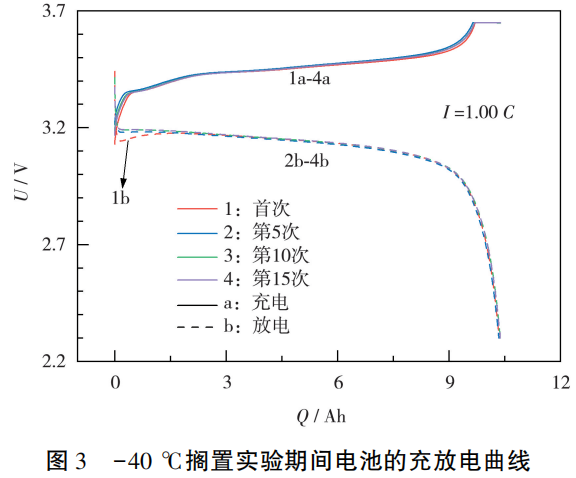
Many off-grid communities sit in cold regions where lithium needs heaters. Sodium-ion keeps over 90% capacity at -20 C without heating, so a village microgrid in a northern climate delivers full storage through winter without extra energy draw.
Microgrid Storage Comparison
| Attribute | Sodium-Ion | LFP (LiFePO4) |
|---|---|---|
| Material cost | Lower | Medium |
| Cold performance | Excellent | Good (needs heat) |
| Cycle life | 3000-6000 | 4000-7000 |
| Supply risk | Low | Medium |
| Footprint | Larger | Smaller |
Design and Control
Pair the battery with a bidirectional inverter and a controller that prioritizes critical loads during islanding. Size for one to two days of community demand plus solar recharge, and choose a PCS that supports black-start and seamless grid reconnect. Because sodium is intrinsically safer, fire-suppression design can be simpler, lowering the permit and insurance burden for a community-owned project.
Financing and Ownership Models
Community microgrids rarely have one deep-pocketed owner, so the storage choice affects who can afford the project. A sodium-ion battery’s lower material cost shrinks the upfront capital, which matters when a village cooperative or neighborhood association is raising funds. Ownership models range from full community ownership (cheapest over time, most admin) to an energy-service-company (ESCO) lease where a provider installs and operates the system for a monthly fee. Grants and resilience funds in many regions now favor non-lithium, locally sourced chemistries, giving sodium a soft subsidy advantage. Size the business case around avoided diesel, peak shaving, and any sell-back tariff rather than upfront price alone.
Hybrid with Existing Diesel
Most remote communities already run a diesel genset. Adding sodium storage does not mean throwing it away; a hybrid controller lets the battery carry the base load and solar smoothing while the generator starts only for rare peaks or prolonged cloudy spells. This diesel-off operation can cut fuel use by 60-90%, the single biggest cost and emissions win. Because sodium tolerates partial state of charge and high cycle counts, it comfortably handles the stop-start hybrid duty that would wear out lead-acid quickly.
Can a sodium microgrid run fully off-grid? Yes, with enough solar and one to two days of storage; many island and village systems already do, using diesel only as backup.
Next Steps for a Community Project
Begin with an energy audit of current diesel use and peak demand, then model a sodium-ion system sized to one or two days of storage plus solar recharge. Engage the community early on ownership and upkeep, pursue available resilience grants, and choose a controller that supports black-start so the microgrid can restart without the grid or a generator.
People Also Ask
Is sodium-ion mature enough for a microgrid? Yes, multi-hundred-kWh community and utility demonstrations are operating in 2025-2026, and costs keep falling.
When would I still pick lithium? When the site is space-constrained or you need the densest possible pack; LFP remains the compact choice.
What maintenance does a sodium microgrid need? Very little: remote monitoring of state-of-health, occasional terminal inspections, and a periodic full-cycle test. There is no watering, equalizing, or acid handling as with lead-acid banks, which is why remote communities favor it.
Written by Karl at China Battery Technology. Request a quote.