Sodium-Ion Battery for Orchards: Frost Protection and Irrigation Power
Sodium-Ion Battery for Orchards: Frost Protection and Irrigation Power
Orchard loads are awkward: they are remote, seasonal, and dominated by short bursts of very high power when frost fans or irrigation pumps start. Grid extensions to a hillside block are expensive, and diesel running costs climb exactly when margins are thin. A sodium ion battery handles this profile well because it delivers high pulse power in cold weather and uses abundant, low-cost materials suited to agricultural budgets.
The Orchard Power Problem
A frost event can arrive at 3 a.m. in spring with no warning and no sun. Fans or overhead irrigation must run for hours to keep blossom above freezing, which is a load of tens of kilowatts that appears maybe ten nights a year. Designing for that peak with a generator means maintaining an engine that sits unused most of the season. A battery bank changes the economics, because the same asset serves frost nights, the irrigation season, and packhouse loads instead of standing idle for most of the year.
Cold-Weather Behaviour
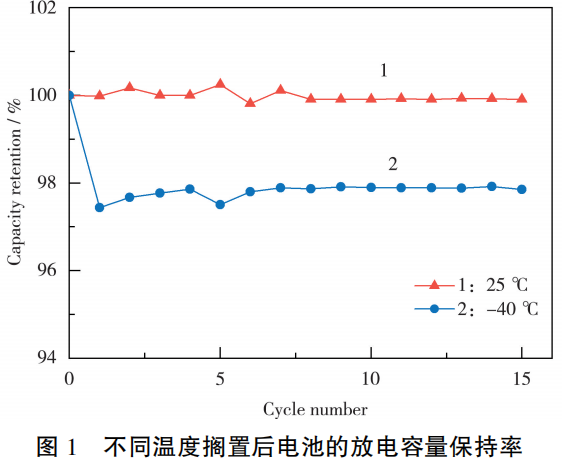
Sodium-ion cells retain usable capacity and charge acceptance well below freezing, which matters when the bank lives in an unheated shed and must deliver a frost response at −10 °C. Lithium chemistries need heating or restricted charging in the same conditions. For a grower, the difference is whether the system works on the night it is actually needed.
Frost Fan and Irrigation Loads
Frost fans draw a large starting current and then settle into continuous duty; irrigation pumps cycle on pressure switches. A battery bank with a suitably rated inverter absorbs both without the voltage sag that would trip a generator. Pairing the bank with a modest generator or solar array extends runtime across a multi-night cold snap.
Chemistry Comparison for Farm Use
| Attribute | Sodium-Ion | LiFePO4 | Lead-Acid |
|---|---|---|---|
| Cold performance | Excellent | Good with heating | Poor |
| Pulse power | High | High | Low |
| Material cost trend | Falling | Stable | Low |
| Cycle life | 3000–5000 | 4000–6000 | 400–800 |
| Maintenance | None | None | Watering |
| Seasonal storage | Tolerant | Tolerant | Sulfation risk |
Sizing for a Season, Not a Day
Size to the frost-event duty cycle: hours of continuous fan load plus the margin for a second consecutive night without recharge. Many growers also feed orchard telemetry, electric fencing, and packhouse lighting from the same bank, which spreads the cost across more of the year and improves the payback.
Installation Realities
Specify a lockable, vermin-proof, IP65 enclosure with a concrete pad and good drainage. Keep the DC cable runs short, because voltage drop on long runs is the most common reason a correctly sized system underperforms at the moment of peak draw. Fit a lockable isolator at the bank and label every DC cable at both ends, so that seasonal contractors can work safely without tracing circuits.
What to Ask a Supplier
Ask for discharge curves at −10 °C and 0 °C, verified fan-motor starting current, a seasonal layup procedure, and cyclone or warranty terms expressed in both years and cycles.
People Also Ask
Can sodium-ion start a frost fan? Yes. Its low internal resistance supports high pulse currents, provided the inverter is rated for the motor’s locked-rotor current.
How does sodium-ion compare on price? Cell cost is already competitive and falling as production scales, and the total installed cost is usually lower once cold-weather heating for lithium is accounted for.
What runtime is realistic for frost protection? Six to ten hours of continuous fan duty is the common design target, covering one full night with margin for a second event.
Does the system need winter maintenance? Very little. Keep the enclosure sealed, check terminations annually, and confirm state-of-health readings before the frost season begins.
Written by Karl at China Battery Technology. Request a quote.