Sodium-Ion Battery for Airfield Lighting: Cold-Proof Runway Backup
Sodium-Ion Battery for Airfield Lighting: Cold-Proof Runway Backup
Airfield ground lighting has an unusual duty: it does almost nothing for months, then has to carry the full approach and runway system for the several minutes a regulator specifies when the mains fails at the worst possible moment. That combination of long float standby and sudden full load is hard on any chemistry. A sodium ion battery suits it well, because it tolerates cold storage without a heater, holds charge through long idle periods, and removes the lithium price exposure that dominates a project with hundreds of circuits.
The Holdover Requirement
Civil aviation rules set a minimum time the lighting must stay lit after a supply failure, with the strictest figures applying to precision approach runways where aircraft may be on short final. The practical consequence is that the bank is sized to a defined switchover time, not to an average draw. You calculate the connected load of the approach, threshold, edge and taxiway circuits, apply the regulator’s holdover minutes, and add margin for cable voltage drop on the long runs out to the runway.
Why Sodium-Ion Fits Remote Pads
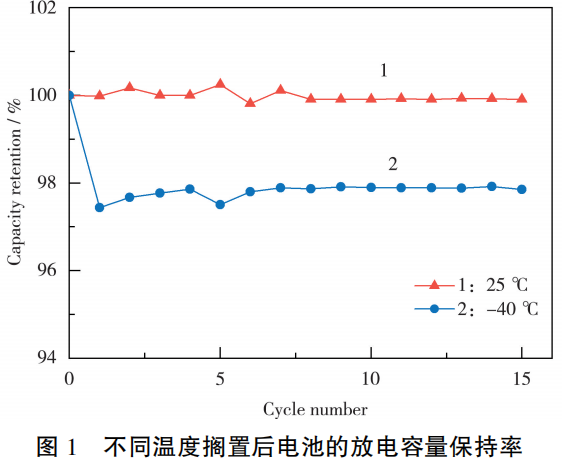
Lighting vaults sit at the edge of the movement area, often unheated and kilometres from the terminal. In a northern winter the enclosure can sit below freezing for weeks while the system waits on float. Sodium-ion cells accept charge at −20 °C without preheating, so the parasitic load and the control complexity of a heater simply disappear. The chemistry also removes the supply-chain exposure that comes with lithium and cobalt, which matters when a regional airport programme spans dozens of sites.
Airfield Lighting Backup Compared
| Attribute | Sodium-Ion | LiFePO4 | VRLA Lead-Acid | Diesel Genset |
|---|---|---|---|---|
| Transfer time | <20 ms | <20 ms | <20 ms | 10–30 s |
| Charge at −20 °C | Yes | Needs heater | Poor | n/a |
| Standby float life | Long | Long | 3–5 years | n/a |
| Maintenance | None | None | Testing, watering | High |
| Energy density | Medium | Medium | Low | n/a |
Constant-Current Regulator Interface
Airfield circuits are driven by constant-current regulators, so the backup inverter sees a load that changes as lamps fail and as the brightness step changes. Specify an inverter that holds output within tolerance across that range and confirm it will not trip on the inrush when all circuits come up together at the highest brightness step. Ask the supplier to witness-test the bank against the actual regulator rather than a resistive load bank. Record the measured holdover at commissioning and repeat it annually, because regulator interaction is the most common reason a system that looked correct on paper underperforms on site.
What to Ask a Supplier
Request the holdover calculation with the circuit schedule attached, cycle and float-life data at the vault’s real temperature range, and proof of compliance with the relevant aviation and IEC standards. Confirm the BMS reports state of health remotely, since a vault inspected twice a year hides degradation well.
People Also Ask
How long must runway lights stay on after a power cut? It depends on the approach category, with precision runways requiring the longest holdover. Check the applicable national aviation regulation for the figure that binds your site.
Can the existing regulators run on battery power? Usually yes. The regulator stays in place and the backup feeds its input, provided the inverter output is a clean sine wave and holds up under the full brightness step.
Does cold weather reduce the backup time? It reduces available capacity in any chemistry. Sodium-ion loses far less than lead-acid at −20 °C and does not need a heater to accept charge afterwards.
Is a generator enough on its own? Not for lighting. The start delay alone exceeds the allowed interruption, so a battery or flywheel bridge is required regardless of whether a genset is installed.
Written by Karl at China Battery Technology. Request a quote.