Home Energy Storage for Disaster Relief Shelters
Home Energy Storage for Disaster Relief Shelters
When a storm or quake knocks out the grid, a shelter must keep running. A home energy storage system in an all-in-one cabinet gives a relief site portable, plug-and-play power for lighting, communication, refrigeration, and medical devices without relying on a fragile connection to the damaged network.
What a Shelter Actually Draws
A relief shelter’s load is a mix of always-on essentials (comms radio, medical fridge, LED lighting) and intermittent draws (phone charging, water pump, electric heat). Sizing the battery to the critical always-on load plus a margin for peak demand keeps the most life-saving equipment online through multi-day outages.
Portability and Deployment
Wheeled all-in-one units with a built-in inverter deploy in minutes by untrained volunteers. IP65 rating and a wide temperature range let them sit in a gym, tent, or shipping container. Because they are modular, several units can be paralleled to grow capacity as more displaced residents arrive.
Shelter Power Comparison
| Option | Runtime | Setup | Noise |
|---|---|---|---|
| All-in-one battery | Hours-days | Minutes | Silent |
| Diesel generator | Days (fuel) | Skilled | Loud |
| Lead-acid bank | Hours | Wiring | Silent |
Sizing and Training
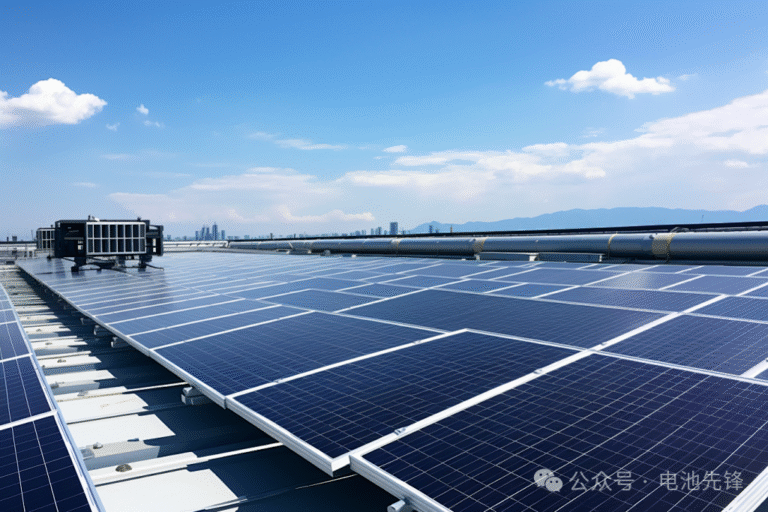
Pick a unit that covers at least one full night of critical load plus solar recharge the next day, and label the backed-up circuits so responders never overload it. Pre-stage units with a quick-reference card and a community volunteer trained on safe connection. Pairing with a small solar array extends autonomy when fuel and grid are both unavailable.
Pre-Positioning and Logistics
Power is most valuable in the first 72 hours after a disaster, before aid arrives. Forward-deploying charged all-in-one units to schools, fire stations, and community centers before a forecast storm turns a warning into a rehearsal that saves lives. Store them at 50-80% state-of-charge so they are ready to deliver full runtime, and rotate stock so cells stay healthy. Label each unit with its backed-up circuits and keep a paired solar panel and extension kit alongside it; a unit that cannot be connected safely is just dead weight.
Keeping Medical and Comms Online
Shelters live or die on two loads: the medical fridge holding insulin and vaccines, and the communication link that calls for help. Put both on the backed-up sub-panel first, then lighting and phone charging. A pure-sine inverter protects sensitive medical electronics from waveform damage, and a small uninterruptible buffer keeps the comms radio up during the seconds it takes the battery to take over from the grid. Document the shelf life of stored medicine against available cooling runtime so volunteers know when to prioritize evacuation.
Should shelters buy or rent storage? Owned units pre-positioned locally respond fastest; rental or mutual-aid pools help fill gaps after a wide-area event when many sites need power at once.
Building a Shelter Power Plan
Map your critical loads first, then buy the smallest unit that covers them for a full night with solar top-up. Pre-stage units at trusted local sites, train a volunteer on safe connection, and pair each with a small panel so power lasts beyond the initial battery reserve when the sun returns.
People Also Ask
How long will one unit power a shelter? A 10-20 kWh all-in-one typically runs lights, comms, and a medical fridge for a full day, longer with solar top-up.
Can it run medical equipment? Yes, with a pure-sine inverter and correct sizing; verify the fridge and device surge ratings before deployment.
What size unit does a typical shelter need? A 10-20 kWh all-in-one covers lights, comms, and a medical fridge for roughly a day, and a paired solar panel extends autonomy when the grid and fuel are both unavailable, buying critical time for outside aid to arrive.
Written by Karl at China Battery Technology. Request a quote.