Home Energy Storage for Mobile Clinics: Power Where the Road Ends
Home Energy Storage for Mobile Clinics: Power Where the Road Ends
A mobile clinic is a small building on wheels, and like any building it needs steady, clean power for refrigeration, lights, laptops, and medical devices. In remote or disaster-hit areas the grid is exactly what has failed. A home energy storage system — the same all-in-one batteries used behind the meter at houses — is a practical, affordable way to give a clinic autonomy for a full day of care.

Why Mobile Clinics Need Storage
Vaccines and some medicines must stay cold regardless of the weather or the grid. A clinic that parks at a village for six hours needs power from the moment the generator is off. Lithium storage paired with a roof or towed solar array covers the daytime load and bridges the gaps, while a quiet battery is far better than a running diesel set inside or beside a treatment space.
Sizing for Clinical Loads
List the essentials: vaccine fridge (often 50–150 W continuous, with compressor surges), LED lighting, a laptop or tablet, a phone hotspot, and maybe a small centrifuge or ultrasound. A 5–15 kWh bank covers a typical day; add solar of 1–3 kW to recharge between stops. Put life-safety and cold-chain loads on a backed-up sub-panel so a small battery protects the critical draw.
Mobile Clinic Storage Comparison
| Use case | Typical size | Primary benefit |
|---|---|---|
| Cold-chain (vaccine fridge) | 5–10 kWh | Unbroken refrigeration |
| Lights + devices + comms | 3–6 kWh | All-day operation |
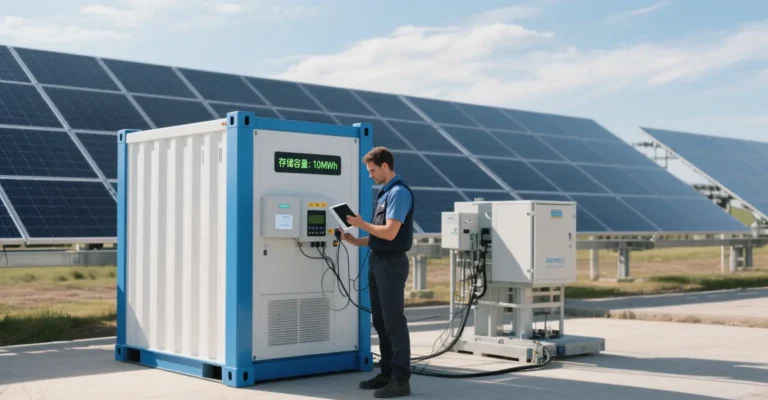
| Full clinic + solar | 10–20 kWh | Grid-free autonomy |
| Backup to generator | 5–15 kWh | Quiet, clean power |
Deployment Tips
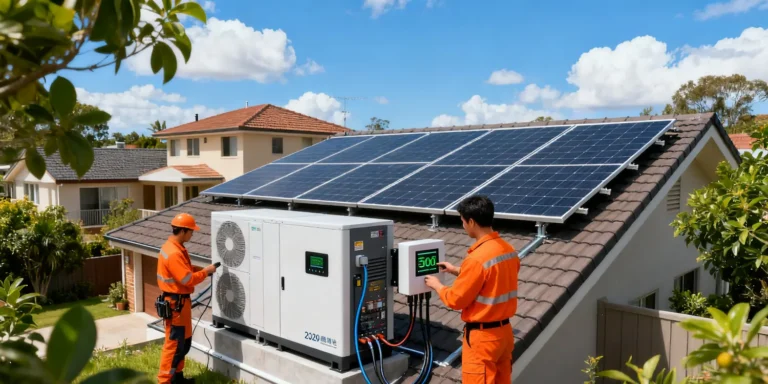
Choose an all-in-one unit with a certified inverter, shock-rated mounting for the vehicle, and remote monitoring so a coordinator can check state-of-charge across a fleet. Secure the battery against vibration and heat, ventilate the enclosure, and train staff on a simple daily charge routine. Pair with a portable solar blanket for multi-day deployments.
Safety and Compliance
Medical power has no tolerance for failure, so specify LiFePO4 for its thermal stability, IP-rated enclosures, and a BMS that reports faults. Keep the bank within easy visual inspection, avoid daisy-chaining uncertified inverters, and document the setup for health-authority approval. Redundancy — a second small pack or a generator — covers the rare total outage.
Choosing the Right Supplier
Pick a vendor with medical or humanitarian deployment experience, clear warranties, and local support. Ask for ingress and vibration ratings, cold-start performance, and compatibility with your existing fridge and solar. A partner who bundles monitoring and training will keep the clinic running long after delivery.
Training and Daily Routine
Hardware fails when people are unsure how to use it. Brief staff on one simple routine: arrive, connect solar if available, check state-of-charge on the monitor, run the clinic, then recharge before departure. Label the backed-up sub-panel so only essential loads draw the battery, and keep a paper checklist for cold-chain temperature logging. A short monthly drill — a full discharge and recharge with a fault check — catches a weak cell early. Pair the battery with a basic spares kit of cables, fuses, and a spare inverter so a field fault becomes a ten-minute fix rather than a cancelled clinic day.
People Also Ask
How long can a mobile clinic run on battery alone? With a 10–20 kWh bank and modest solar, a typical clinic runs a full day of essential loads without the grid or generator.
Can I add solar later? Yes — most all-in-one systems accept PV input and work with or without panels, so you can start on battery and add solar as budget allows.
Written by Karl at China Battery Technology. Request a quote.
Related reading: Home Energy Storage for Island Communities: Reliable Off-Grid Power