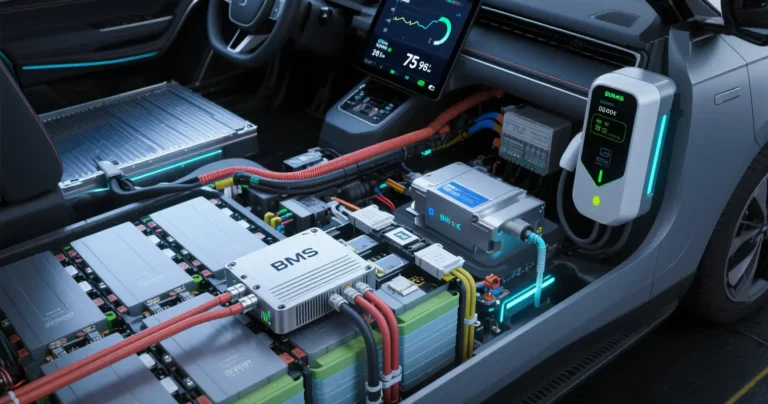

Home Battery for Solar EV Charging: Sun to Car Guide
Pairing solar, a home battery, and an EV lets the sun fill your car, cutting both fuel and electricity cost. A trusted home energy storage system supplier can orchestrate the flow. Smart scheduling is the trick.
Energy Routing
Store midday solar in the battery, then discharge it into the car overnight or during a cheap window automatically.
The inverter and EV charger must communicate so charging follows the battery’s state and the tariff schedule.

Sizing the Link
Match battery size and charge rate to your daily driving, not your car’s maximum, to keep the system affordable.
A partial solar fill still displaces grid energy; you need not cover every kilometre to improve the cost per charge.
Reserve Discipline
Keep enough battery for home outages so EV charging never consumes the reserve meant for resilience.
Review driving and solar yield seasonally so the dispatch schedule tracks the changing daylight and mileage.

Comparison at a Glance
| Flow | From | To |
|---|---|---|
| Day | Solar | Battery |
| Night | Battery | EV |
| Reserve | Home | Keep |
People Also Ask
Can a home battery charge an EV from solar? Yes by storing daytime solar and discharging it into the car on a schedule.
Frequently Asked Questions
Must it cover all miles?
No, a partial solar fill still cuts per-charge cost.
Keep outage reserve?
Yes, size so EV use never eats the resilience buffer.
Key Takeaways
- Route energy.
- Size to drive.
- Keep reserve.
- Seasonal review.
Selection Criteria
When you evaluate a home battery for solar EV charging, the lowest quote is rarely the best value, because the cheapest pack can fail earliest once it meets real load and temperature swings. A qualified home energy storage system will help you match capacity, peak discharge rate, and certification to your actual duty cycle rather than a marketing figure on a spec sheet. Prioritise Route energy., Size to drive., and Keep reserve. during supplier review, and confirm warranty and field-support terms in writing before you commit to a purchase.
Remember that total cost of ownership also includes energy efficiency, expected cycle life, and the availability of spares and local service, all of which frequently matter more than the initial sticker price you are quoted today. Ask for references from operators running the same application, and validate the battery against a representative duty cycle before scaling the deployment across your whole fleet.
- Route energy.
- Size to drive.
- Keep reserve.
- Seasonal review.
As a practical next step, shortlist two or three suppliers and request a reference installation in an application close to yours. A credible home energy storage system will share independent case studies, validated test data, and an operator contact you can call. Compare the support offered after the sale as carefully as the headline specification, because that ongoing support often decides whether the home battery for solar EV charging delivers its promised value across the full service life rather than only on the first day of operation.
Finally, document your acceptance criteria before delivery: the test results, warranty terms, and service response time you expect in writing. Clear expectations prevent disputes later and give both sides a measurable standard for a successful and repeatable handover of the system.
Sizing the Battery to Daily Miles
Match the home battery to the energy your car actually drinks, not its maximum charge rate. A compact EV like a Leaf or Bolt uses about 0.15 to 0.20 kWh per kilometre, so 40 km of daily commuting is 6 to 8 kWh. A 10 kWh home battery can cover that from stored solar most days, while a 13.5 kWh unit such as a typical residential cabinet adds margin for cloudy stretches and a little home backup. If you size to the car’s 7 kW onboard charger you would buy far more battery than the daily miles justify. Instead, let the battery fill overnight from midday solar and top the car at a modest 3.3 to 7 kW, which keeps the inverter and cabling affordable. Reserve a slice of capacity for home outages so EV charging never eats the resilience buffer.
Tariff and Time-of-Use Scheduling
The economics turn on when you move electrons. Many utilities price peak electricity from 4 p.m. to 9 p.m., exactly when solar has faded, so a smart controller should discharge the battery into the car during that window and recharge it from cheap overnight grid power if solar fell short. Time-of-use rates of 30 to 40 cents per kWh peak versus 10 to 15 cents off-peak make the arbitrage obvious. Set a schedule: store midday sun, block car charging from the grid during peak, and allow a cheap-grid top-up only after the battery serves the home. Review the tariff each year, because utility rates and solar buy-back terms shift, and the dispatch rule that paid last summer may lose money this one.
Inverter and EV Charger Comms
The battery, inverter, and EV charger must talk, or the car will pull from the grid even when the battery is full. A system using OpenADR, Modbus, or the vendor’s own bus lets the inverter cap export and prioritise the car as a managed load. A 5 to 7 kW continuous inverter supports a 3.3 to 7 kW Level 2 charger; if you also back up the home, size for the sum of simultaneous loads, not just the car. Use a dedicated EV circuit with a properly rated breaker and check the inverter’s surge rating against the charger’s inrush. Without comms the battery and car operate blind, and you lose the dispatch discipline that makes the solar-to-car route cheaper than plugging into the wall.
Reserve Policy for Outages
Reserve discipline protects you from trading one problem for another. Decide up front how much battery is sacred for home resilience, say 20 to 30 percent, and configure the controller to stop EV charging when the bank drops to that floor. A full battery sent into the car leaves the house dark if the grid fails that night, which defeats the point of owning storage. During a forecast storm, pre-charge the car early from solar and then hold the reserve for the home. Some owners set the car to charge only from excess solar above a home-sovereignty threshold, so the vehicle never competes with essentials. Revisit the policy seasonally as daylight and driving patterns change.
Frequently asked questions
How big a home battery do I need to charge my EV?
For 40 km of daily commuting at 0.15 to 0.20 kWh per km, you need about 6 to 8 kWh, so a 10 kWh battery covers most days and a 13.5 kWh unit adds outage margin. Size to real miles, not the car’s maximum charge rate, to keep the system affordable.
Does solar-to-car save money?
Yes when you avoid peak grid rates. Storing midday sun and discharging into the car during a 4 to 9 p.m. peak priced at 30 to 40 cents per kWh, versus 10 to 15 cents off-peak, turns a clear arbitrage. Without time-of-use rates the saving is just the avoided retail rate.
Why must the devices communicate?
If the inverter and EV charger do not share state, the car may draw from the grid even with a full battery, killing the solar-first dispatch. A managed-load bus caps export and prioritises the car, so stored solar actually fills the vehicle instead of exported pennies.
Should EV charging drain my backup reserve?
No. Hold 20 to 30 percent of the battery as a home-resilience reserve and stop car charging at that floor. Pre-charge the car from solar before a storm, then keep the reserve for essentials so a night-time outage does not leave the house dark.
Written by Karl at China Battery Technology. Request a quote.
Related reading: Home Energy Storage for Island Communities: Reliable Off-Grid Power
Related Reading
- home energy storage system guide
- Home Battery for Balcony Solar: Apartment Power Guide
- Home Battery for Storm Preparedness: Weather the Event