Sodium-Ion Battery for Community Microgrids: Resilient Local Power
Sodium-Ion Battery for Community Microgrids: Resilient Local Power
Neighborhood microgrids — a few homes, a school, a clinic, and some solar — share one goal: keep the lights on when the main grid fails. That means bulk storage that is affordable, safe to site near people, and reliable through cold winters. A sodium ion battery is emerging as the pragmatic choice for exactly these stationary, weight-insensitive systems where material cost and resilience beat energy density.
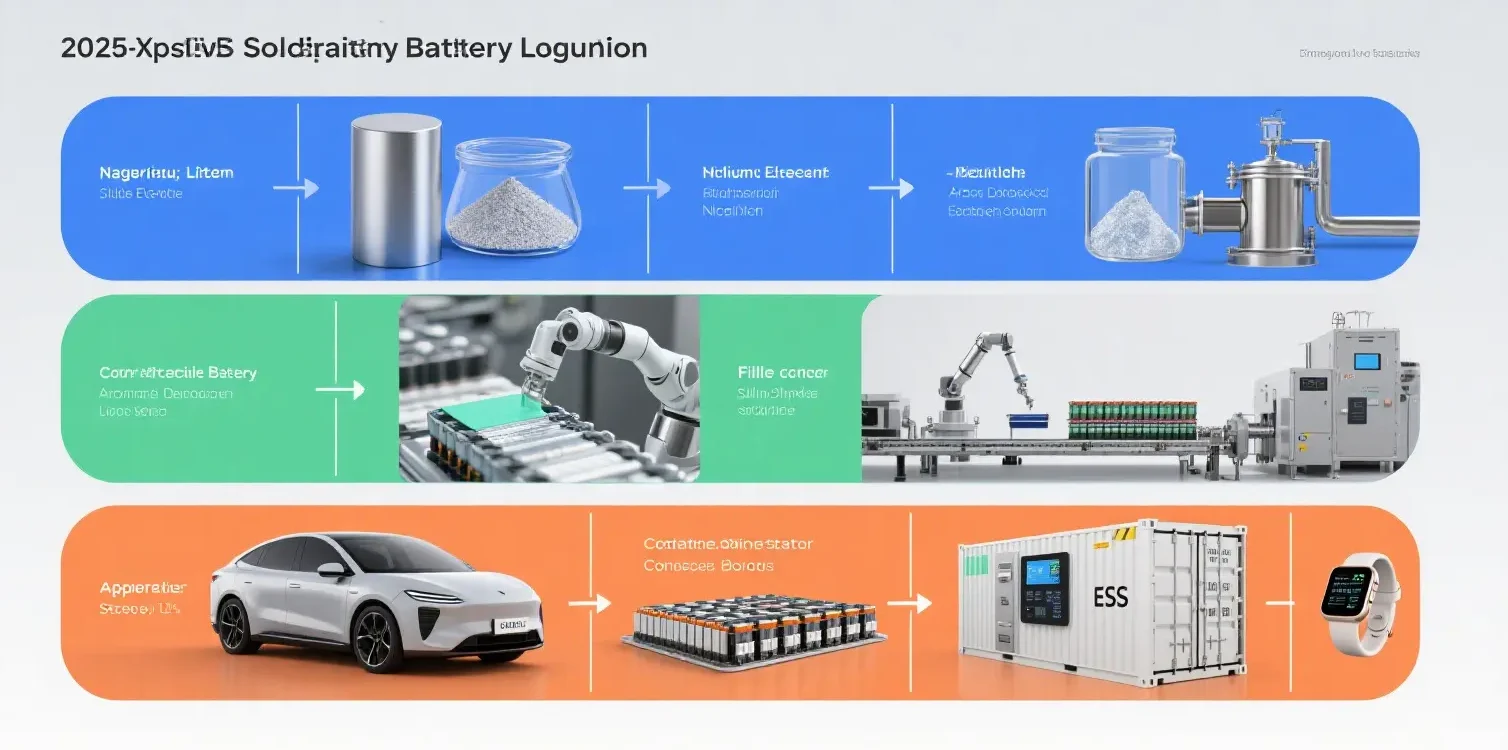
Why Communities Choose Sodium
Sodium cells use abundantly available materials — sodium, iron, manganese, hard carbon — avoiding the lithium, nickel, and cobalt supply chains that drive price spikes. For a community buying storage in the hundreds of kilowatt-hours, that lower and more stable material cost directly cuts the price per stored kWh. Sodium is also intrinsically safer: no dendritic lithium, higher thermal-runaway threshold, and simpler fire-suppression needs for urban or indoor containers.
Cold-Climate Advantage
Many microgrids serve rural or northern communities where winter outages matter most. Sodium-ion holds >90% capacity at −20 °C without the heaters lithium needs, so a sodium bank keeps serving the morning peak during a cold snap instead of quietly shrinking. That resilience is why early community deployments cluster in colder regions.
Microgrid Storage Comparison
| Attribute | Sodium-Ion | LFP (LiFePO4) |
|---|---|---|
| Material cost | Lower | Medium |
| Cold performance (−20°C) | Excellent | Good (needs heat) |
| Energy density | Low–Medium | Medium |
| Cycle life | 3000–6000 | 4000–7000 |
| Supply risk | Low | Medium |
Sizing a Community Bank
Start from the critical loads you must ride through: refrigerators, medical devices, communications, lighting, and a well pump. Size duration for the longest realistic outage (commonly 4–12 hours of essential load), then add solar-smoothing and peak-shaving headroom. Because sodium is cheaper per kWh, communities can oversize duration for resilience without the budget penalty lithium would impose.
Controls and Interconnection
A microgrid needs a bidirectional inverter and controller that island seamlessly when the grid drops and resync when it returns. Pair the battery with a PCS that supports the local frequency and a rule set prioritizing life-safety loads. Remote monitoring lets a small operator see state-of-charge and health across the bank without a site visit.
Choosing the Right Supplier
Look for containerized or rack-mounted systems with certified inverters, clear cycle-life warranties, and local service. Ask for cold-climate test data and a roadmap for cell supply, since sodium manufacturing is still scaling. A partner experienced in community deployments will help you model loads and secure any available resilience grants.
Funding and Community Engagement
A microgrid is as much a social project as a technical one. Successful deployments begin with a load survey agreed by residents, so the bank is sized to real needs rather than guesses. Many regions offer resilience, clean-energy, or rural-electrification grants that materially improve payback, and a supplier familiar with community projects can help assemble the paperwork. Train a local operator to read the monitoring dashboard and run basic checks, and agree on a maintenance schedule before the first winter. Clear ownership — who pays, who maintains — prevents the quiet neglect that shortens battery life and erodes trust in the system.
Maintenance and Lifecycle
Sodium’s long cycle life only pays off with basic care. Keep the container ventilated and within its rated temperature band, log state-of-health monthly, and avoid chronic 100% depth-of-discharge on the same cells by rotating loads. Because sodium is stable, enclosure cooling can be simpler than for lithium, lowering operating cost. Plan a realistic end-of-life path — many sodium cells are easier to recycle than cobalt-heavy chemistries — so the community’s second bank starts from a cleaner material stream.
People Also Ask
Is sodium-ion ready for real microgrids? Yes — multi-hundred-kWh and early megawatt-scale sodium systems are operating in pilot and commercial community projects across Asia and Europe as of 2025–2026.
When would I still pick lithium? If footprint is severely constrained or you need maximum energy per cubic meter, LFP remains the denser option; sodium wins on cost and cold resilience.
Written by Karl at China Battery Technology. Request a quote.
Related reading: Sodium-Ion Battery for Offshore Platforms: Safer Remote Power