Home Energy Storage for Caravans: Off-Grid Comfort on the Move
Home Energy Storage for Caravans: Off-Grid Comfort on the Move
A caravan is only as free as its power allows. Touring away from hookups means running a fridge, lights, water pump, and devices for days at a time, and a properly sized home energy storage system is what turns a quiet field into a comfortable base camp. With the right battery and solar, you stop planning trips around campsite electric posts and start parking wherever the view is best.
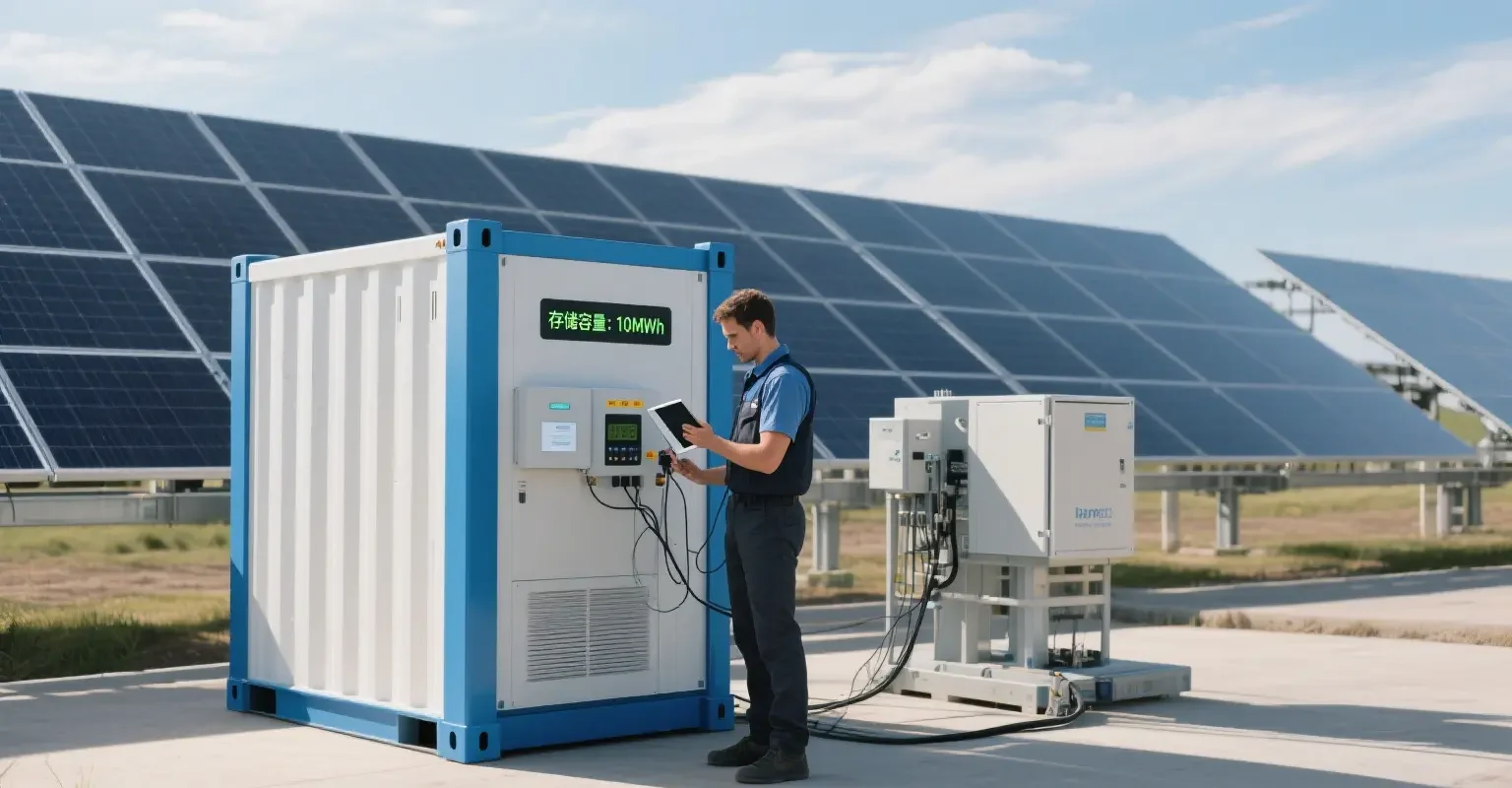
Why Caravans Need Dedicated Storage
Caravan payload is precious, so every kilogram of battery traded against comfort matters. Lithium leisure cells weigh up to 60% less than the flooded banks they replace and tolerate partial-state-of-charge, so you can run the bank down without damaging it the way lead-acid hates. That means more usable amp-hours in a smaller, lighter box tucked under a seat or in a locker, and no equalise cycles spoiling a weekend off-grid.
What You Can Actually Run
A typical touring setup covers a compressor fridge, LED lighting, a water pump, phones and laptops, a fan or heater, and a Starlink or Wi-Fi unit for those who work from the road. Size the bank to the longest realistic day plus a margin, and the caravan quietly handles a night of lighting and a morning of coffee without a generator rumbling outside the canvas.
Key Caravan Battery Requirements
- Lightweight, sealed LiFePO4 with a BMS and low-temperature charge cutoff
- IP65 enclosure resistant to vibration and the odd splash
- Alternator / DC-DC charger so driving refills the bank
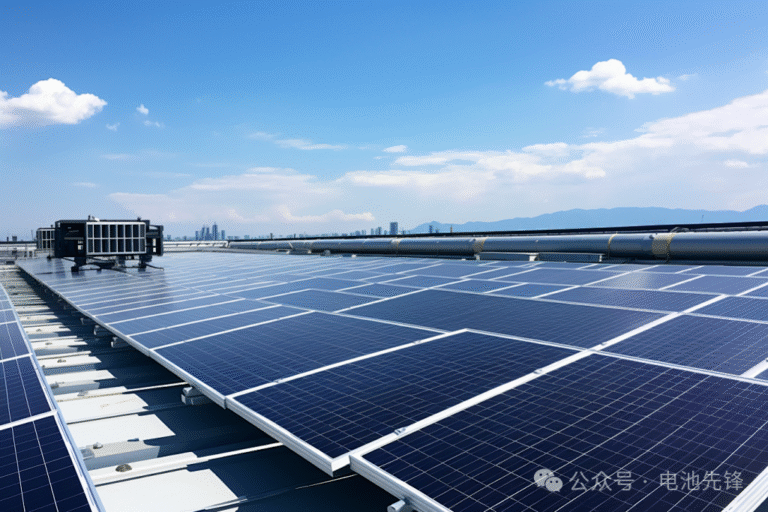
- Solar input sized to a fair-weather day of touring
- Bluetooth monitoring so state-of-charge is visible from the cab
Caravan Load Sizing
| Use case | Typical size | Primary benefit |
|---|---|---|
| Fridge / cool box | 5–10 kWh | Food stays safe off-grid |
| Lights + devices | 2–5 kWh | Comfort and connectivity |
| Water pump | 1–3 kWh | Pressurised water anywhere |
| Starlink / Wi-Fi | 1–2 kWh | Work from the wild |
| Full off-grid day | 10–20 kWh | True independence |
Sizing and Deployment
Sum your worst-day amp-hour draw, add 30% margin, and size the bank to about 50% depth for longevity. Keep the starter battery separate from the leisure bank with a combiner, and fit a DC-DC charger so the alternator fills lithium safely while you drive. Add a modest solar array sized to your typical parked pattern – a day at the beach should not mean a flat fridge by evening.
Deployment Tips
- Keep starter and leisure banks separate with a smart combiner
- Fit a DC-DC charger; direct alternator charging undercharges lithium
- Mount the bank low and centred for towing stability
- Set a conservative charge ceiling to maximise cycle life on the road
- Monitor state-of-charge from your phone and act before it bites
Choosing the Right Home Energy Storage Supplier
For a home energy storage system, pick a supplier whose inverter and battery are certified as a system, not cobbled together, and confirm grid-code compliance for your region. Prioritise remote monitoring, a clear warranty on throughput (kWh), and local service. Sizing advice from the vendor should be based on your interval data, not a generic rule of thumb, and the unit should integrate with existing solar if you have it.
People Also Ask
Can I run a fridge for a full weekend? Yes – a 5–10 kWh leisure bank covers a compressor fridge plus lighting for two to three days off-grid, longer with a small solar panel trickling charge in.
Is lithium safe in a moving caravan? A sealed LiFePO4 box with a BMS and vibration-rated mount is far safer than flooded lead-acid, which vents explosive hydrogen and spills acid on rough tracks.
Written by Karl at China Battery Technology. Request a quote.
Related reading: Home Energy Storage for Island Communities: Reliable Off-Grid Power