Home Energy Storage for Microgreen Farm: Cut Grow-Light Bills
Home Energy Storage for Microgreen Farm: Cut Grow-Light Bills
Microgreen farms run racks of LED grow lights and circulation fans around the clock, so electricity is often the largest operating cost after seed and labor. A home energy storage system lets a small indoor farm store cheap off-peak or solar energy and release it during the expensive evening light cycle, smoothing bills and protecting tender seedlings during short outages that would otherwise stall a harvest.
Why Microgreen Farms Need Storage
Grow lights are a steady, predictable load—ideal for time-of-use arbitrage. Charging the battery overnight and discharging through the peak-rate window can cut the lighting portion of the bill substantially without changing a single rack layout or sacrificing photoperiod accuracy.
Solar Pairing
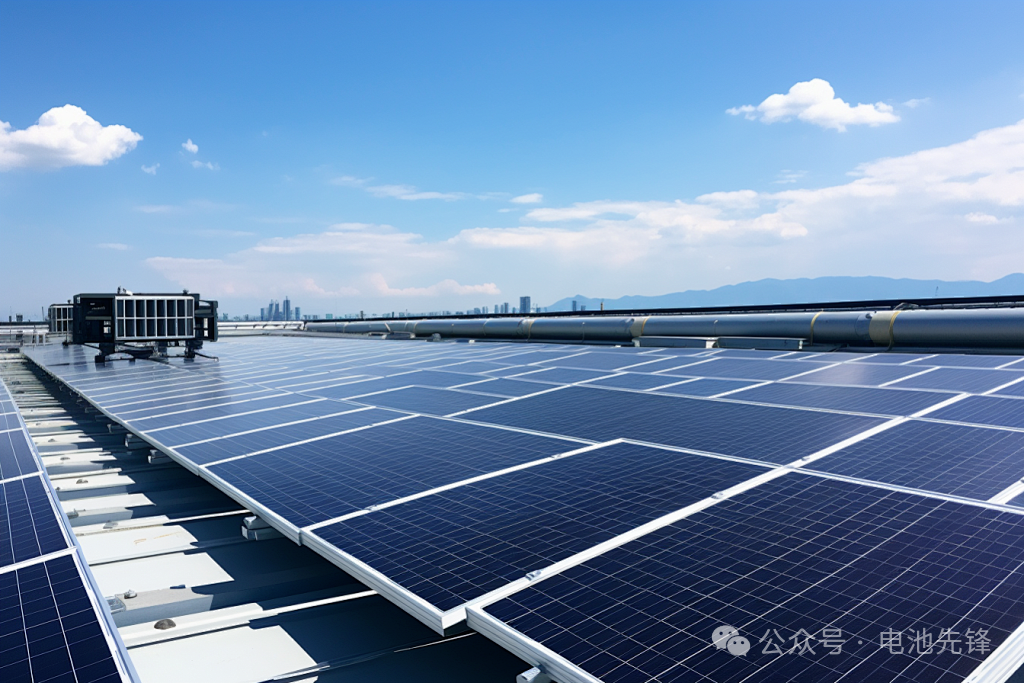
Many urban microfarmers add a modest rooftop or balcony array. The battery banks midday solar that would otherwise export at a low rate, then serves the evening grow cycle—raising self-consumption and shortening payback while keeping the operation resilient during grid events.
Microgreen Farm Storage Comparison
| Use case | Typical size | Primary benefit |
|---|---|---|
| TOU arbitrage | 5–10 kWh | Lower energy cost |
| Solar self-use | 10–15 kWh | More solar kept on-site |
| Backup for lights/fans | 3–8 kWh | Harvest uptime |
| Off-grid starter | 10–20 kWh | Independent operation |
Sizing the System
Total daily light plus fan energy sets the battery size; a 5–15 kWh pack covers most home-scale racks for one full overnight cycle. Put the lights and fans on a backed-up sub-panel so a brief grid drop never stalls a sale-ready tray, and size the inverter for the combined startup draw of multiple LED drivers.
Monitoring and Payback
Use a monitored inverter to track kWh shifted and downtime avoided. For farms with wide time-of-use spreads, payback commonly lands in 3–6 years, faster when paired with solar. Keep a simple monthly log of shifted kWh and avoided downtime; even a short record makes it easy to justify the next expansion or a solar add-on to your own budget. A modest residential energy storage approach scales naturally as the rack count grows.
Common Mistakes to Avoid
The most common error is undersizing the battery to the cheapest option, then discovering the evening peak still lands on grid rates. Size to a full overnight cycle plus margin, not to the average hour. The second mistake is skipping the backed-up sub-panel, which leaves lights vulnerable to the very outages storage is meant to survive. Finally, pair the battery with a monitored inverter from day one so you can prove savings instead of guessing.
Deployment Walkthrough
Start by logging one week of grow-light and fan kWh to set the pack size. Install the battery and inverter on the light/fan sub-panel, configure time-of-use charging, and verify the system carries a simulated outage. Once stable, consider adding a small solar array to feed the battery during the day and shorten payback further.
People Also Ask
Will storage keep my crop alive during an outage? Yes—a backed-up sub-panel keeps lights and fans running through short grid drops, protecting a sale-ready tray.
Can I expand later? Yes—most all-in-one units accept parallel expansion, so you can add capacity as rack count grows without replacing the first pack.
Do I need solar? No; off-peak charging alone captures arbitrage savings, though solar improves payback.
How big a battery? Most home microfarms need 5–15 kWh to cover one overnight grow cycle.
Written by Karl at China Battery Technology. Request a quote.
Related reading: Home Energy Storage for Island Communities: Reliable Off-Grid Power