Home Battery for RV Park: Hookup Freedom Guide and Tips
home battery for rv park
An RV parked at the house becomes guest space or a home office, and a battery keeps it comfortable without a shore cord. A trusted home energy storage system supplier can bridge the gap. Quiet power wins.
RV Load Profile
Lights, small fridge, fan, and device charging are the typical loads; size the battery to those, not the RV’s maximum.
Inverter capacity should cover the largest single appliance you actually run, such as a microwave or a hair dryer.
No Shore Cord Needed
A home battery and small inverter let the RV serve as a studio or guest room without running a cable to the house.
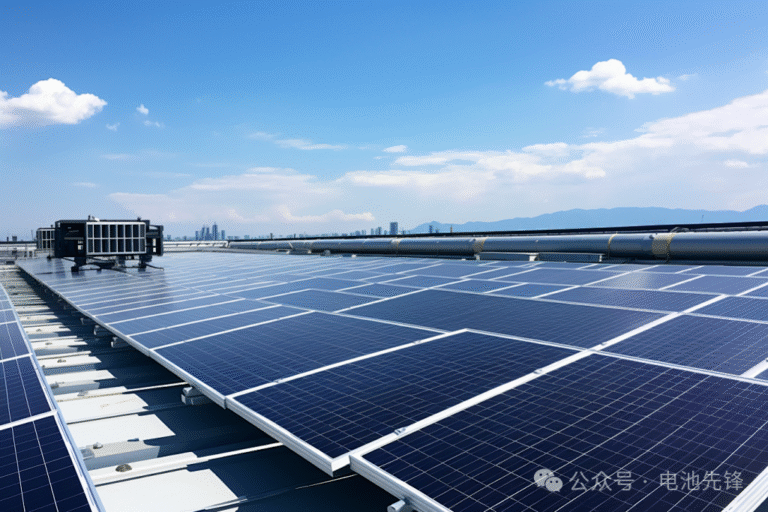
Add a modest solar panel on the RV roof so the bank tops up during the day for extended off-hookup stays.
Safety and Venting
Install the battery in a vented, secure bay and fuse within reach; an RV moves, so mounting must survive the road.
Test the setup parked before a guest arrives so a tripped breaker or weak cell is found in calm conditions.

Comparison at a Glance
| Load | Watts | Note |
|---|---|---|
| Fridge | Low | Small |
| Microwave | High | Size inverter |
| Chargers | Low | Easy |
People Also Ask
Can a battery power a parked RV? Yes for lights, small fridge, and chargers without a shore cord.
Frequently Asked Questions
Need shore power?
No, a battery and inverter cover basic RV loads quietly.
Add solar?
A roof panel keeps the bank topped for longer stays.
Key Takeaways
- List RV loads.
- Size inverter.
- Vented mount.
- Test parked.
Selection Criteria
When you evaluate a home battery for rv park, the lowest quote is rarely the best value, because the cheapest pack can fail earliest once it meets real load and temperature swings. A qualified home energy storage system will help you match capacity, peak discharge rate, and certification to your actual duty cycle rather than a marketing figure on a spec sheet. Prioritise List RV loads., Size inverter., and Vented mount. during supplier review, and confirm warranty and field-support terms in writing before you commit to a purchase.
Remember that total cost of ownership also includes energy efficiency, expected cycle life, and the availability of spares and local service, all of which frequently matter more than the initial sticker price you are quoted today. Ask for references from operators running the same application, and validate the battery against a representative duty cycle before scaling the deployment across your whole fleet.
- List RV loads.
- Size inverter.
- Vented mount.
- Test parked.
As a practical next step, shortlist two or three suppliers and request a reference installation in an application close to yours. A credible home energy storage system will share independent case studies, validated test data, and an operator contact you can call. Compare the support offered after the sale as carefully as the headline specification, because that ongoing support often decides whether the home battery for rv park delivers its promised value across the full service life rather than only on the first day of operation.
Finally, document your acceptance criteria before delivery: the test results, warranty terms, and service response time you expect in writing. Clear expectations prevent disputes later and give both sides a measurable standard for a successful and repeatable handover of the system.
Written by Karl at China Battery Technology. Request a quote.
Related reading: Home Energy Storage for Island Communities: Reliable Off-Grid Power