Sodium Ion Battery for Electric Livestock Feeder: Reliable Farm Power
Sodium Ion Battery for Electric Livestock Feeder: Reliable Farm Power
Automatic feeders, heated waterers, and rotational-grazing gates often sit far from mains power. A sodium ion battery is becoming a smart choice for these off-grid loads because it shrugs off cold, costs less per watt-hour at scale, and needs almost no maintenance through a harsh farming season.
Why Sodium for Farm Loads
Livestock equipment draws modest, steady current punctuated by motor starts for augers and gates. Sodium-ion handles that profile well, and unlike lithium it keeps capacity at sub-zero temperatures without heaters, which is critical in unheated barns and winter paddocks where animals still need feed and water. The chemistry also avoids the dendritic lithium risk that worries farmers storing packs in dusty, poorly monitored sheds.
Cold-Weather Advantage
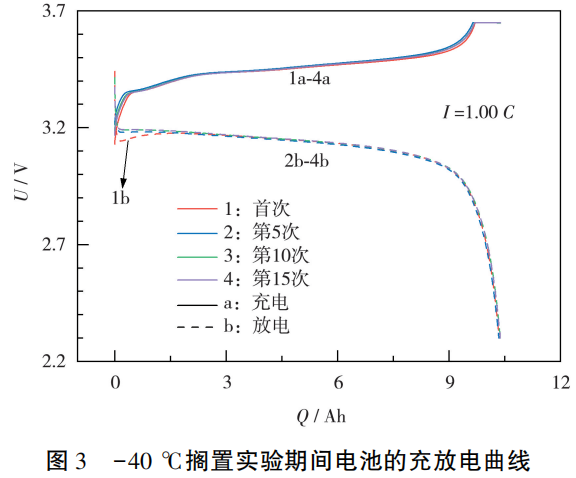
Sodium-ion retains 90%+ capacity at -20 °C, so a feeder controller or heated trough keeps working through a cold snap. Lithium would need pad heaters and a buffer, adding cost, draw, and failure points that a busy operator does not want to manage. For spring lambing or calving barns, that cold resilience can mean the difference between a warm waterer and a frozen one overnight.
Farm Battery Comparison
| Attribute | Sodium-Ion | LFP | Lead-Acid |
|---|---|---|---|
| Cold capacity (-20 °C) | >90% | ~70% (with heat) | ~50% |
| Maintenance | None | None | Watering |
| Material cost | Lower | Medium | Low |
| Cycle life | 3000+ | 4000+ | 300-500 |
Sizing and Siting
Size the bank for the worst day: auger runtime plus a heated-water reserve. Sodium’s lower density means a bigger box, so mount it in a vented, predator-proof enclosure off the ground. Pair it with a small solar array or a weekly top-up from the tractor so the feeder never goes dark. Leave clearance around the enclosure for airflow and keep it out of direct animal contact with a sturdy latch. Plan for future expansion by leaving room to add a second module if you add more troughs or a second paddock.
Charging and Off-Grid Setup
A 100-200 W solar panel with an MPPT controller keeps a feeder bank topped through the season, and a small wind turbine works well on exposed hill pastures. Size the array so a run of cloudy days still leaves enough reserve for one more cold night, then let the BMS manage the float automatically.
Maintenance and Monitoring
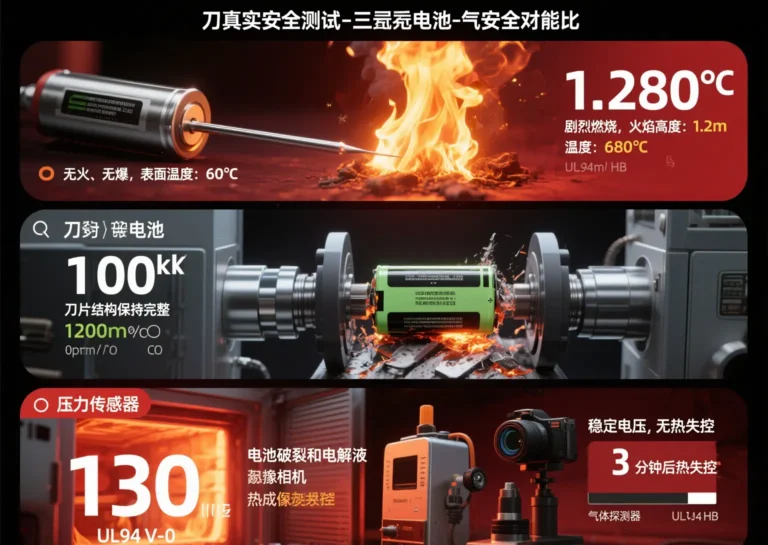
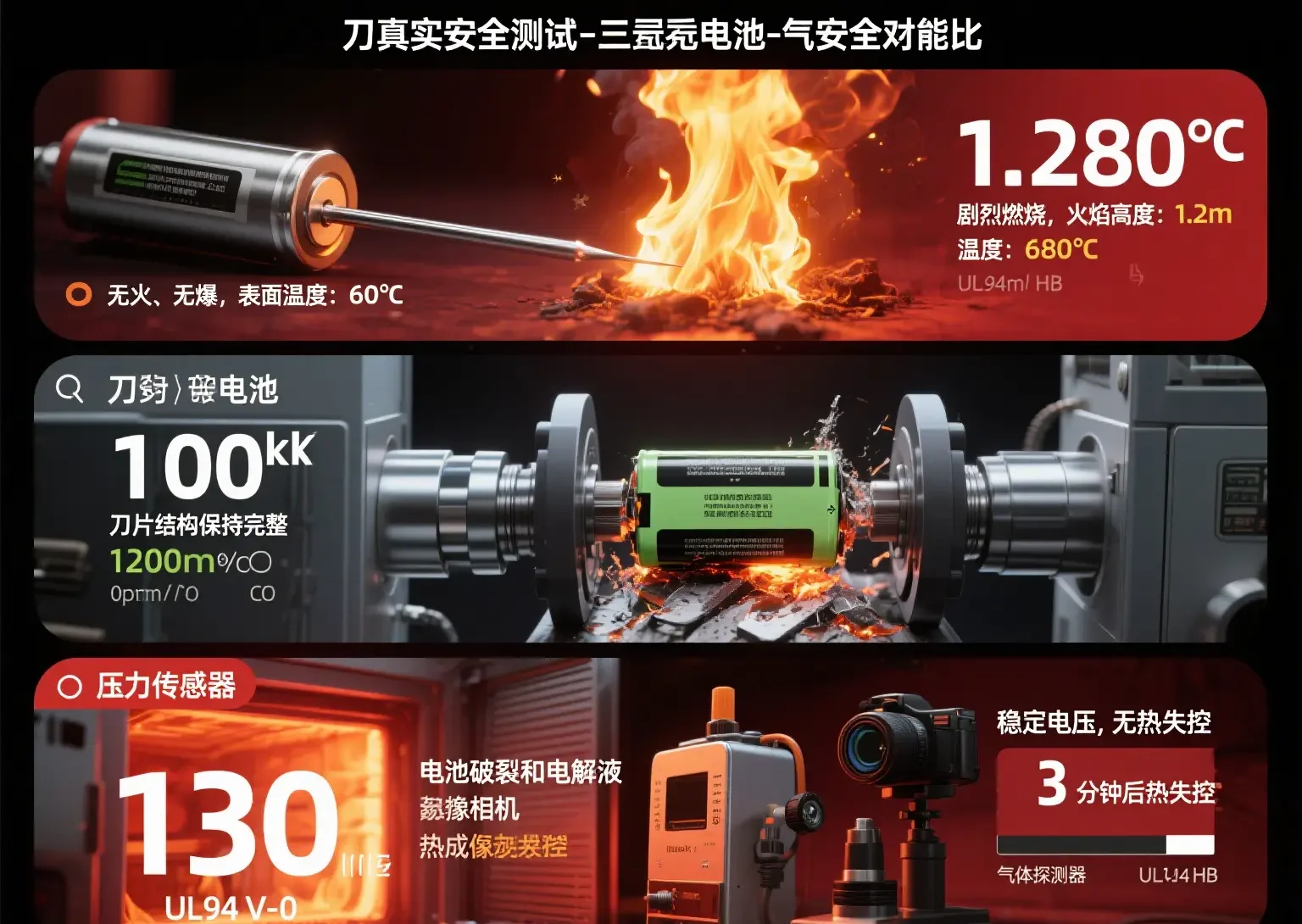
Set the BMS to alert on cell imbalance and keep terminals corrosion-free. Because sodium is intrinsically stable, fire-risk design is simpler, a real plus in a dusty, bedding-rich barn where a spark is the last thing you want near hay. A quarterly visual check of the enclosure and a yearly capacity test are usually all the upkeep required.
What to Ask a Supplier
Request the rated cold capacity, the IP rating of the enclosure, and proof of cycle life at your expected depth of discharge. Ask whether the BMS supports remote monitoring and field cell replacement, and confirm the warranty covers agricultural temperature swings. A supplier who can show field data from similar farms is worth a small premium over the cheapest catalog pack.
People Also Ask
Is sodium-ion safe around animals? Yes; with no flammable liquid electrolyte and a sealed enclosure it is well suited to barns and paddocks.
When would I still pick lithium? If space is tight or you need maximum energy in a small box, LFP remains the denser option.
How do I charge it off-grid? A 100-200 W solar panel with an MPPT controller keeps a feeder bank topped through the season.
Written by Karl at China Battery Technology. Request a quote.
Related reading: Sodium-Ion Battery for Offshore Platforms: Safer Remote Power