Sodium Ion Battery for Marina Dock Power: Salt-Air Ready Storage
Sodium Ion Battery for Marina Dock Power: Salt-Air Ready Storage
A marina’s electrical load is one of the strangest in commercial energy: near zero at 3 a.m. in February, then a hard peak on a summer Friday evening when forty boats plug in shore power, run air conditioning, and charge tender batteries at once. Upgrading the utility feed to cover that peak costs more than the marina earns from berthing fees. A sodium ion battery bank sited at the dock head absorbs the peak instead, and its tolerance for salt-laden air and wide temperatures suits waterfront service better than most alternatives.
Why Marinas Struggle With Peak Demand
Shore-power pedestals are typically rated 16–63 A per berth, but diversity assumptions made when the marina was built no longer hold. Modern cruisers run reverse-cycle air conditioning and induction cooking at berth, and electric tenders and e-foils add charging load. The result is a demand curve that spikes 4–6x above average for three or four hours. Utilities bill that peak through demand charges, and in many harbours the physical cable to the dock simply cannot carry it, forcing the operator to ration pedestal amperage in peak season.
What Sodium-Ion Brings to the Waterfront
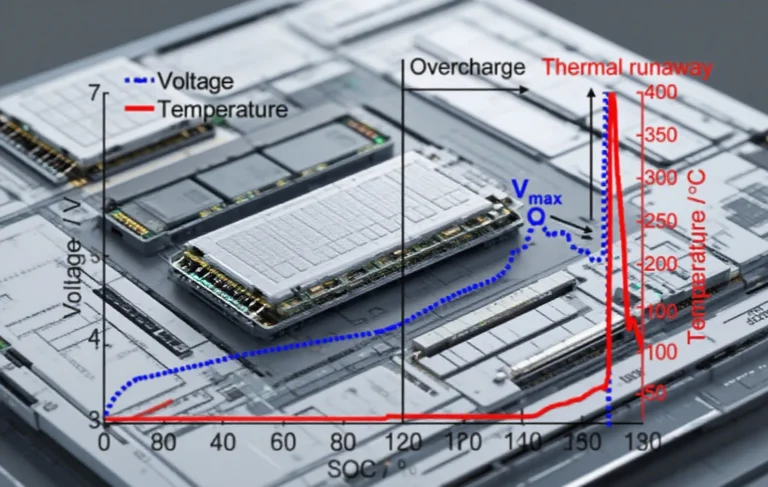
Sodium-ion cells use no lithium, cobalt or nickel, so the raw-material bill is insulated from lithium price swings. More relevant on a dock: they operate comfortably from −20 °C to +55 °C without the heater loads a lithium bank needs in a northern winter, and they can be shipped and stored at 0 V, which simplifies logistics to island and remote marinas. Thermal runaway propagation risk is markedly lower, an argument that matters when the fire brigade’s nearest access is a floating pontoon.
Sizing Around the Friday Evening Peak
Start with 12 months of interval data from the utility meter. Most marinas find the top 40 hours of the year set the demand charge. A bank sized at 100–250 kWh with a 50–100 kW inverter typically shaves those hours entirely, charging overnight at off-peak rates and discharging from 17:00 to 22:00 in season. If the marina has rooftop solar on its clubhouse or dry-stack building, the same bank time-shifts midday generation into the evening peak and improves self-consumption from roughly 35% to over 80%.
Dockside Storage Options Compared
| Attribute | Sodium-Ion | LiFePO4 | Diesel Genset |
|---|---|---|---|
| Low-temperature performance | Excellent to −20 °C | Needs heating below 0 °C | Cold-start issues |
| Cycle life | 3000–5000 | 4000–6000 | N/A |
| Fire propagation risk | Low | Medium | Fuel on site |
| Noise at berth | Silent | Silent | 65–85 dB |
| Raw material exposure | Sodium, iron | Lithium, phosphate | Fuel price |
| Shipping state | 0 V, simplified | 30% SoC limit | N/A |
Enclosure and Corrosion Engineering
Salt spray is the real enemy on a dock. Specify a marine-grade enclosure: 316L stainless fasteners, powder-coated aluminium or GRP cabinet, IP55 minimum with filtered forced ventilation, and conformal-coated control boards. Site the cabinet above the historic high-water mark and clear of prevailing spray, and design the cable route so that a pontoon can move on its piles without stressing the conductors. Marinas that skip the material specification usually see terminal corrosion within two seasons regardless of cell chemistry.
Revenue Beyond Demand Charges
Peak shaving is the anchor case, but a dockside bank also enables paid EV charging in the car park without a new service, keeps the fuel dock and travel lift operating through outages, and supports future electric-boat fast charging — a berth service that commands a premium in early adopter markets. Marinas already quoting for shore-power upgrades should compare the storage route before committing to trenching a new feeder.
People Also Ask
Is sodium-ion energy density a problem for a marina? Rarely. Dockside cabinets are floor-mounted with space available, so the lower Wh/kg matters far less than temperature range, safety, and cost stability.
How long does a marina storage payback take? Where demand charges exceed roughly USD 15/kW-month and the summer peak is sharp, four to seven years is typical, faster if solar self-consumption or EV charging revenue is stacked on top.
Can the bank run the marina during a grid outage? Yes, with a grid-forming inverter and an islanding transfer switch it can carry critical loads such as the fuel dock, office, and security lighting for several hours.
Written by Karl at China Battery Technology. Request a quote.
Related reading: Sodium-Ion Battery for Offshore Platforms: Safer Remote Power