Lithium Battery for Electric Post Driver: Cordless Fencing Power
Lithium Battery for Electric Post Driver: Cordless Fencing Power
Building fences, vineyard rows, or solar racking used to mean lugging a gas-powered driver or running extension cords across the field. A cordless electric post driver changes that, and at its heart sits a compact pack from a lithium battery manufacturer built for shock, dust, and all-day outdoor use. This guide covers why lithium wins for post driving, how to size the pack, and what to ask before you buy.
Why Post Drivers Suit Lithium
A post driver delivers a few hundred hard impacts per minute, each a short high-current pulse. Lithium cells deliver that surge without voltage sag, so the driver keeps its punch as the battery drains. Lead-acid sags badly under pulse load and is far heavier to carry down a fence line, which is why contractors abandon it quickly. The same pack can also top up your cordless shears and clipcers on the same job, simplifying the kit you carry.
Chemistry: LiFePO4 for Durability
For a tool that gets dropped, rained on, and baked in the sun, lithium iron phosphate (LiFePO4) is the sensible choice. It tolerates vibration, carries no flammable liquid electrolyte risk in a cracked case, and cycles 2000+ times in abusive duty. NMC packs are lighter but demand more careful enclosure and thermal management. For most fencing crews the longer life and safer chemistry of LiFePO4 outweigh the small weight saving of NMC.
Post Driver Battery Comparison
| Attribute | LiFePO4 | NMC | Lead-Acid |
|---|---|---|---|
| Pulse current | High | Very high | Low |
| Weight per kWh | ~13 kg | ~10 kg | ~30 kg |
| Vibration tolerance | High | Medium | Low |
| Cycle life | 2000+ | 800-1200 | 300-500 |
| Cost | Medium | High | Low |
Sizing the Pack
Match voltage to the driver motor, commonly 40-82 V, and capacity to the job. A 4-6 Ah pack drives roughly 300-500 standard T-posts per charge; heavier oak posts or rocky ground cut that figure. Carry a second pack for all-day jobs and a fast charger at the truck so a dead battery never stops the crew. If you run multiple cordless tools, standardize on one voltage platform to share chargers and spares across the rig.
Charger and Runtime Planning
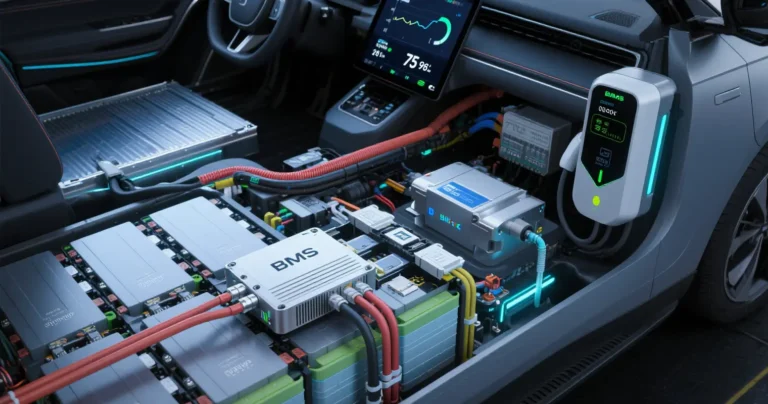
A 1-2 hour fast charger keeps one pack in rotation while the other works, which is enough for most single-crew days. Track cycle count in the BMS app and rotate packs so no single battery absorbs every hard impact. In hot climates, charge in the shade and let the pack cool before the next session to protect long-term capacity.
Cost and Payback
A LiFePO4 driver pack costs more up front than lead-acid but pays back within a season or two through labor saved, no watering, and far fewer replacements. Crews also cover more ground per day without refueling or cord management, which is where the real saving shows up on a fencing invoice.
Field Care and Storage
Keep terminals clean, store the pack at 30-60% charge over winter, and never leave it baking in a closed cab at 60 °C. A quality BMS protects against over-discharge when the driver bogs in hard ground, preserving cell life and avoiding a costly mid-season replacement.
People Also Ask
Can I use my power-tool batteries? Only if voltage and connector match; dedicated driver packs are rated for higher pulse current than drill packs and last longer under impact.
How long does a post-driver battery last? Typically 2-4 seasons of daily farm or ranch use with LiFePO4, versus a single season for lead-acid.
What should I ask a supplier? Ask for the pulse-discharge rating, IP rating, and whether the BMS supports field replacement of cells.
Written by Karl at China Battery Technology. Request a quote.
Related reading: Lithium Battery for Electric Winch: Cranking Power Without the Voltage Drop