Lithium Battery for Golf Cart Fleet: Faster, Lighter, Longer
Lithium Battery for Golf Cart Fleet: Faster, Lighter, Longer
Golf carts, resort shuttles, and warehouse tugs share the same 36–48 V architecture, and fleets are converting from lead-acid to lithium to cut downtime and labor. A trusted lithium battery manufacturer supplies drop-in LiFePO4 packs that fit the existing tray and charger profile while roughly doubling usable range per charge.

Why Fleets Convert
Lead-acid needs watering, equalizing, and careful partial-state avoidance, and it loses capacity fast in hot battery bays. Lithium needs none of that and accepts opportunity charging between shifts, so a cart is rarely waiting on the charger. Lighter cells also reduce strain on brakes, tires, and suspension across a busy day.
Conversion Basics
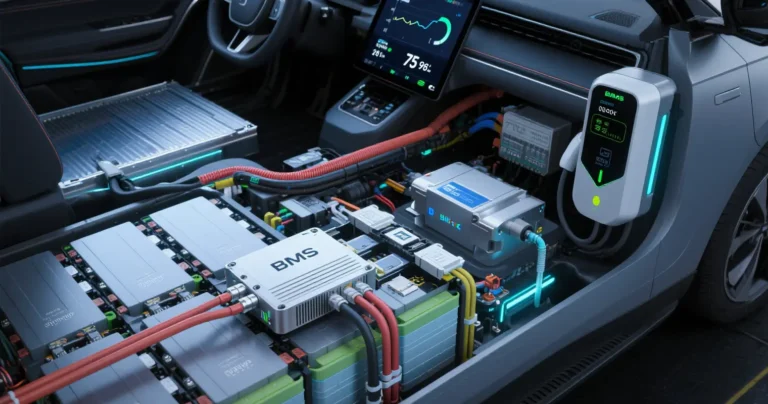
Match voltage (36/48 V) and physical footprint, confirm the onboard or stand-alone charger supports a lithium absorption profile, and keep the BMS communication to the gauge so the cart reports true state-of-charge. Most conversions need only a new harness and a BMS-equipped pack; the motor and controller stay.
Golf Cart Battery Comparison
| Attribute | LiFePO4 | Lead-Acid |
|---|---|---|
| Usable range | ~2x | Baseline |
| Charge time | 2–3 hr | 6–8 hr |
| Maintenance | None | Watering |
| Weight saved | ~50% | — |
| Life (cycles) | 3000+ | 500–1000 |
Fleet Tips
Standardize on one pack model across the fleet to simplify spares, log each cart’s throughput to balance replacements, and train staff to plug in between shifts rather than only at end of day. The result is carts that spend their time working instead of charging.
People Also Ask
Will my old charger work? Often yes if it has a lithium or constant-voltage profile; otherwise a low-cost replacement charger unlocks fast opportunity charging.
Is the upgrade worth it for a small fleet? Even 4–6 carts see payback in 2–3 years from saved labor, fewer replacements, and more uptime.
Written by Karl at China Battery Technology. Request a quote.