Home Energy Storage for a Mountain Lodge: What Actually Works at Altitude
Home Energy Storage for a Mountain Lodge: What Actually Works at Altitude
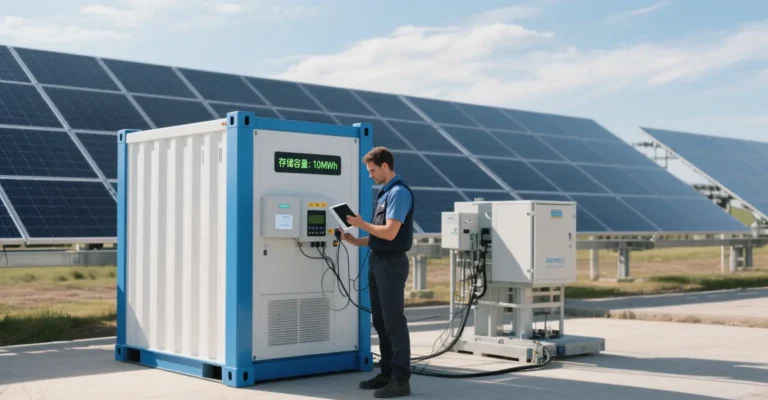
Mountain lodges combine every hard case in residential power: long grid outages or no grid at all, sub-zero equipment rooms, winter loads that triple summer ones, and access roads that close for weeks. Choosing a home energy storage system for this setting is less about brand and more about chemistry, thermal design and serviceability. This guide reflects systems we have specified for lodges between 1,500 m and 3,200 m elevation.
Start with the winter load profile, not the summer one
A lodge that idles at 300 W in July can pull 3-4 kW on a February evening: circulation pumps for hydronic heating, well pump, kitchen loads and lighting for guests. Sum the realistic evening peak, then size the inverter for that peak and the battery for 1.5-2 days of autonomy. For a typical six-bed lodge that means a 10-12 kW hybrid inverter and 25-30 kWh of storage. Undersizing autonomy is the number-one regret we hear from lodge owners who bought a standard suburban package.
Chemistry and cold: the decisive factor
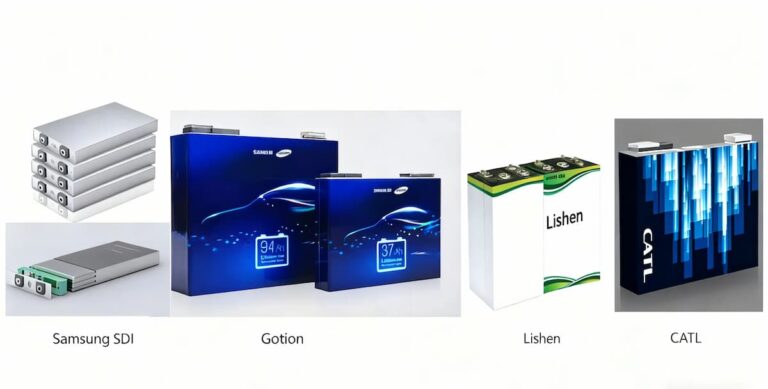
LiFePO4 remains the default for lodges because the battery room can usually be kept above freezing with minimal insulation — the cells’ own losses help. If the equipment space genuinely cannot stay above 0°C, specify packs with built-in self-heating film (they draw 50-100 W while warming) or consider sodium-ion racks, which charge at -20°C without protection. Never accept a pack whose BMS lacks a low-temperature charge cutoff; ice-cold lithium charging causes permanent metal plating and, eventually, cell failure.
Battery options for alpine installs compared
| Option | Cold tolerance | Autonomy cost | Best for |
|---|---|---|---|
| LiFePO4 wall units | Good if room stays >0°C | Lowest per kWh | Insulated utility rooms |
| Self-heating LiFePO4 racks | Charges to -20°C | +10-15% price | Unheated plant rooms |
| Sodium-ion racks | Native -20°C charging | +20% space | Extreme cold, no heating |
| Lead-acid banks | Works but sulfates fast | Highest lifetime cost | Legacy replacements only |
Generator integration is not optional
Ten days of overcast snow will defeat any reasonable solar array. Every lodge system needs a generator input with automatic start driven by battery state of charge — set start at 20% and stop at 80% so the generator runs at efficient load instead of trickling. Insist on an inverter that can blend generator and battery power simultaneously; cheap units that hard-switch will flicker lights and trip well pumps.
Serviceability when the road is closed
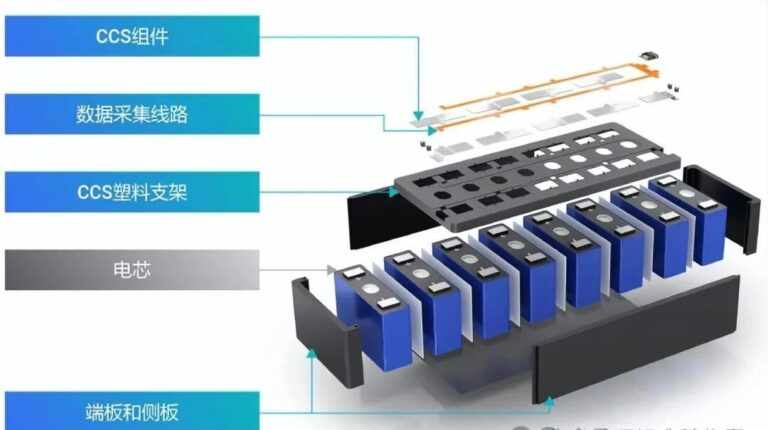
Choose modular rack batteries over single monolithic cabinets: if one 5 kWh module fails, the system keeps running and the module ships out by snowmobile if it must. Demand remote monitoring over Starlink or 4G — suppliers who can read your BMS logs remotely resolve most faults without a site visit. Keep one spare BMS board and one spare contactor on the shelf; they cost little and save a season.
How big should solar be relative to the battery? At altitude, plan PV at 1.5x your daily winter consumption. Snow reflection boosts clear-day yield, but you are sizing for the cloudy weeks.
Can I install the battery in an outbuilding? Yes if it is insulated to keep cells above freezing or you specify self-heating or sodium packs. Detached installs also simplify fire-code conversations for guest lodges.
What lifespan should I expect? Quality LiFePO4 at lodge duty cycles typically delivers 12-15 years. Budget a mid-life inverter fan and contactor service around year seven.
Written by Karl at China Battery Technology. Request a quote.
Related guide: Home Energy Storage System
Related reading: Home Energy Storage for Island Communities: Reliable Off-Grid Power