Home Energy Storage for Micro Distillery: Cut the Power Bill
Home Energy Storage for Micro Distillery: Cut the Power Bill
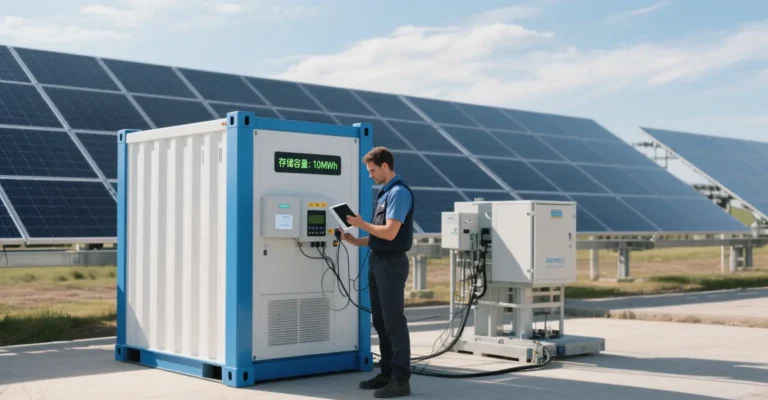
Craft distillers run energy-hungry stills, cooling, and bottling lines that spike the meter and trigger brutal demand charges. A home energy storage system — the same all-in-one battery used behind the meter at a house — lets a small distillery shave those peaks, store solar, and ride through the outages that would spoil a batch mid-run.
Where the Distillery Load Bites
A still’s heating element can draw 5–15 kW during a run; the cooling pump and the bottling line add more. Commercial tariffs bill on peak demand, so one still startup sets a monthly penalty. The battery discharges during those spikes and recharges overnight or from rooftop PV, capping the metered peak. Even a partial clip — knocking the top 20% off your monthly peak — can remove a large slice of the demand portion of the bill.
Solar Self-Use
Distilleries often sit under big roofs ideal for solar. Without storage, midday generation exports at a low feed-in rate while evening bottling still buys grid power. A battery banks the afternoon surplus and serves the evening load, raising self-consumption from ~30% to 70%–90%. On a sunny distillery day you can run the still almost entirely on stored solar, then sell or shave the rest.
Distillery Storage Comparison
| Use case | Typical size | Primary benefit |
|---|---|---|
| Peak shaving | 15–30 kWh | Lower demand charge |
| Solar self-use | 20–40 kWh | More on-site solar |
| Backup for control systems | 5–10 kWh | Batch uptime |
| TOU arbitrage | 20–35 kWh | Cheaper energy |
Sizing Walkthrough
Read a month of demand intervals and find the top three peaks. Size the battery to clip each by the amount that removes the penalty tier, then add capacity for one still-run of solar shifting. Put the control panel, pumps, and labeling line on a backed-up sub-panel so a small battery covers the draw that actually costs you money, rather than trying to back up the whole heating element at once.
Getting the Most From It
Run the still during solar-rich midday when the battery can absorb the surplus, and let the pack carry the evening bottling line. Schedule discharges around your utility’s TOU windows, and monitor state-of-health so the pack retires before it lets a batch fail. A simple dashboard in the fermentation room keeps the team aware of how much stored energy is left before the next run.
Installation Basics
Place the battery in a cool, dry plant room with clear access for service, and keep it away from flammable spirit vapour — distilleries are classified spaces, so coordinate the electrical design with your AHJ. Use a certified inverter and a current transformer on the main incoming feed so the system sees the whole site’s draw and clips peaks accurately rather than guessing.
Common Mistakes
The usual error is sizing to the still’s full nameplate rather than the metered peak, which overspends on capacity you rarely use. The second is forgetting the cooling load, which runs for hours after the heat cuts off and quietly sets its own demand peak. Size from real interval data, not nameplate, and the unit pays back far faster.
Cost and Payback
For a distillery where demand charges are a third or more of the bill, payback commonly lands in 3–6 years, faster with wide TOU spreads and on-site solar. The outage protection alone can justify the unit by saving a single spoiled fermentation, and the marketing story — a solar-powered craft spirit — earns its own shelf-space.
People Also Ask
Will it run the still directly? Most setups shave peaks and store solar rather than run the full heating element; pair the battery with grid or solar for the heavy draw.
Can I add it to existing PV? Yes — all-in-one systems retrofit behind the meter and work with or without panels.
What size do I need? Start from your three highest demand intervals; 15–40 kWh covers most micro distilleries’ peak-shaving and solar-shift needs.
Written by Karl at China Battery Technology. Request a quote.
Related reading: Home Energy Storage for Island Communities: Reliable Off-Grid Power