Solid State vs Lithium Ion: Where the Technology Stands
Solid State vs Lithium Ion: Where the Technology Stands
The phrase “solid-state battery” has been attached to everything from research press releases to production vehicles, and most procurement managers cannot tell what is actually shipping from what is still on a lab bench. This article separates the two. We compare real, buyable lithium-ion against solid-state as it exists in 2026—what each delivers in energy density, safety, cost and manufacturing maturity—so you can decide whether to wait, pilot, or commit. A lithium battery manufacturer building both chemistries will tell you the honest answer is application-specific, and that is the right frame.
What “solid-state” actually means
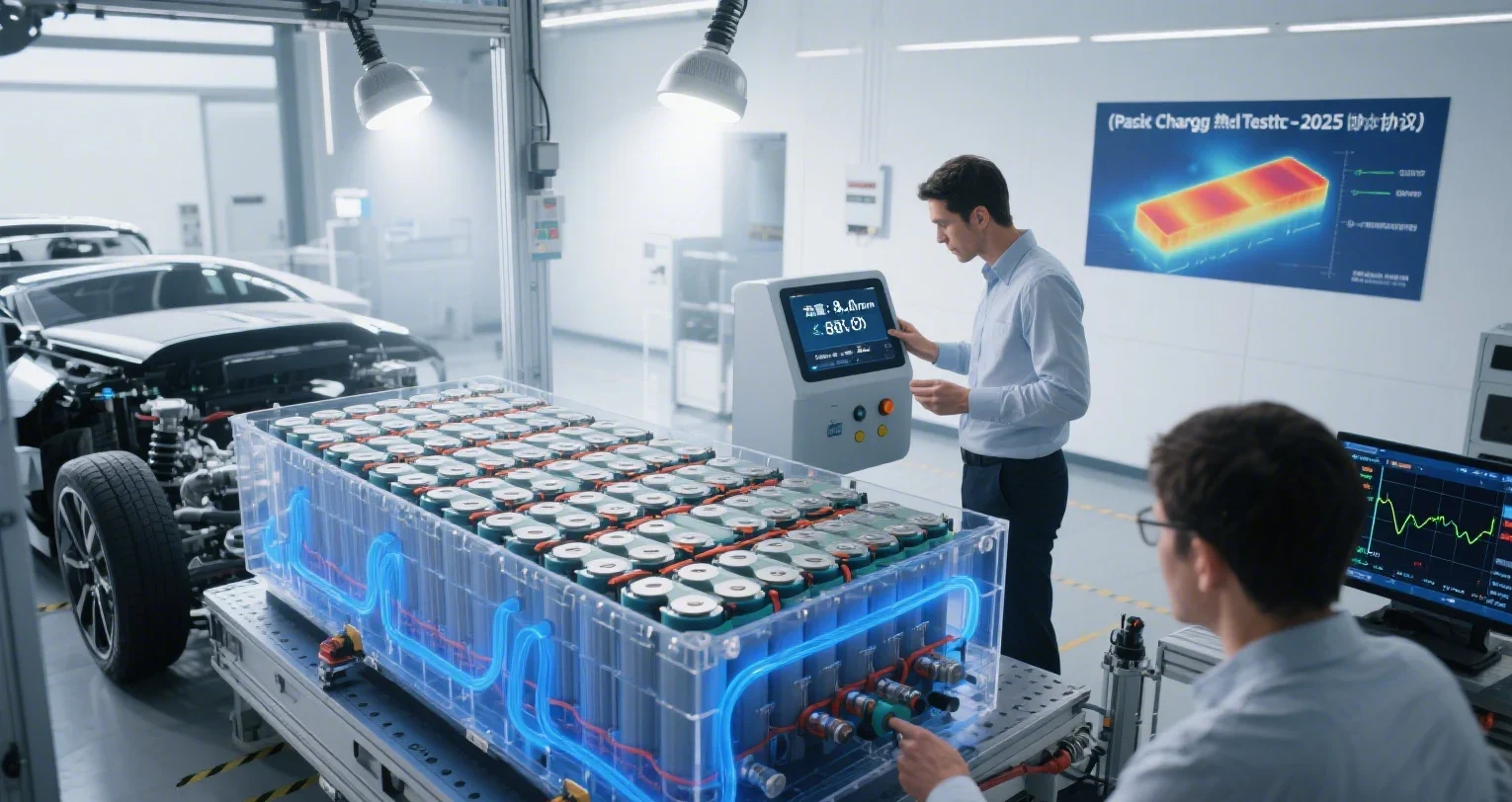
A conventional lithium cell moves ions through a liquid or gel electrolyte between a graphite anode and a metal-oxide cathode. A solid-state cell replaces that liquid electrolyte with a solid ionic conductor—typically a sulfide, oxide or polymer ceramic. The headline benefit is that you can often use a lithium-metal anode instead of graphite, which removes the heaviest inactive part of the cell and pushes energy density upward while reducing flammable material. The catch is interface resistance: solid-to-solid contact is harder to maintain than liquid wetting, so early cells lose capacity fast and need pressure fixtures. Understanding that single mechanical problem explains most of the delay between announcement and shipment, because the industry has known the chemistry target for years but struggled to make it repeatable at scale.
The liquid lithium-ion baseline
Lithium-ion is mature, cheap and well understood. LFP lands at roughly 90–160 Wh/kg and 160–220 Wh/L, with 3,000–6,000 cycles. NMC reaches 150–250 Wh/kg for weight-sensitive uses at the cost of cobalt, nickel and a tighter safety margin. The supply chain is global and the failure modes are documented across two decades of field service. For most buyers, liquid lithium-ion is the safe default precisely because its risk is known; the question solid-state poses is whether a density and safety gain is worth trading known risk for unknown risk on a younger process. Treat the baseline as the bar any new chemistry must clear on total cost, not just on a spec-sheet headline.
Energy density: the real gap
| Metric | Lithium-ion (NMC) | Lithium-ion (LFP) | Solid-state (2026 sample) |
|---|---|---|---|
| Gravimetric | 150–250 Wh/kg | 90–160 Wh/kg | 250–400 Wh/kg (lab), 200–300 (early prod) |
| Volumetric | 300–700 Wh/L | 160–220 Wh/L | 400–900 Wh/L (claimed) |
| Anode | Graphite | Graphite | Lithium metal (promise) |
| Maturity | Mature | Mature | Early production |
The table shows why the excitement is real but provisional. Early production solid-state sits around the top of NMC on a weight basis and claims a large volume edge, but those numbers depend on the lithium-metal anode actually surviving thousands of cycles under pressure. Until a supplier ships a named part number with cycle data at your duty, treat the top figures as lab best-case, not pack reality. The gap between a polished cell in a vendor’s lab and a production pack in your product is where most solid-state disappointment lives, so the cycle report, not the press release, is the document that matters.
Safety: less flammable, not fireproof
Solid electrolytes are far less flammable than liquid carbonate solvents, which is the genuine safety story. A punctured liquid cell can ignite its electrolyte; a solid cell is much harder to set alight. But a solid-state cell is still a high-energy lithium system, and a lithium-metal anode is reactive if it ever contacts air or moisture. The practical gain is a wider thermal margin and a lower runaway risk, which simplifies enclosure and insurance—but it does not remove the need for a real BMS and thermal path. A battery application solutions program should still specify protection, balancing and telemetry even on solid-state, because the chemistry changes, not the need for system discipline, and a punctured solid cell can still fail if its electronics are absent.
Manufacturing maturity and yield
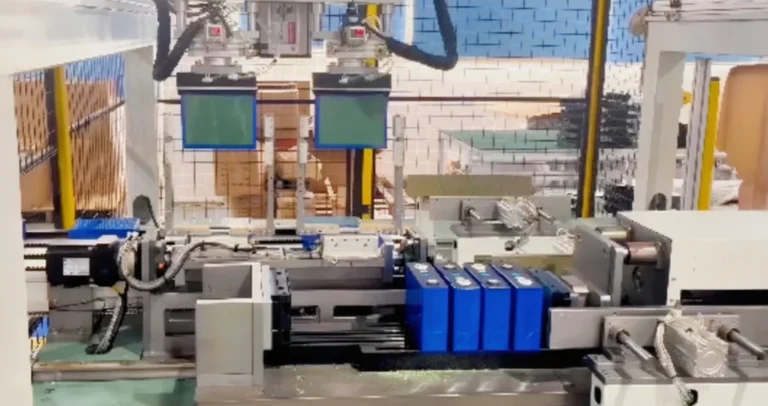
This is where announcements and shipments part ways. Making a ceramic electrolyte layer uniform across a large cell, maintaining solid-solid contact under cycling, and assembling in a dry room without contamination are hard, yield-limited steps. A semi-solid-state battery bridges the gap by keeping some liquid, easing manufacture while capturing part of the density and safety gain—which is why semi-solid is shipping today while full solid-state scales. When you evaluate a solid-state supplier, ask for a production line name and a shipped program, not a roadmap slide; yield and throughput, not chemistry, are the gate, and a prototype that shines in the lab is not a buyable component until the line produces it by the thousand with consistent data.
Cost today and the trajectory
Solid-state cells today carry a large $/Wh premium over LFP and a meaningful one over NMC, driven by low volume, expensive materials and poor yield. The cost curve depends on gigafactory scale and process learning, the same levers that drove liquid lithium-ion down 90% over a decade. A sodium-ion battery is attacking the opposite cost corner with abundant materials, so the next five years bring two independent cost pressures on liquid lithium-ion from different directions. For a buyer, the move is to track both and pilot each where it pays, rather than betting the whole roadmap on one, because the winning chemistry per application is rarely the same across a product catalog.
Charging speed and internal resistance
Solid electrolytes can, in principle, support faster charging because they are more stable against dendrite growth at high current. In practice, interface resistance at the solid-electrolyte boundary often limits rate, and early cells need pressure and heat to reach their claimed speeds. Liquid cells already fast-charge well with proper BMS control; solid-state’s edge is real but not yet the “charge in five minutes” headline for production packs. Verify a charge curve at your operating temperature before assuming a solid-state pack solves your recharge downtime, because a rate the cell cannot sustain in your environment is a number on a slide, not a feature your product can rely on day after day in the field.
Cycle life and calendar aging
Lithium-metal anodes grow dendrites that can bridge the cell and fail it, which is the central life problem solid-state must solve. Early production cells show promising cycle counts in lab conditions but thinner field data than LFP’s decade of service. For a home energy storage system expected to last ten years, betting on an unproven aging curve is a real risk; LFP’s 3,000–6,000 cycles at 80% DoD is a known quantity. Match the chemistry to the life you require, and demand cycle data at your depth-of-discharge and temperature, not a brochure number, because the cost of a battery that ages out at year four instead of year ten is borne entirely by you.
Where solid-state wins today
- Weight-critical premium products where every kilogram converts to range or flight time.
- High-safety occupied spaces where the lower flammable content eases certification.
- Compact devices where volumetric density frees a cavity.
- Applications that can absorb a premium for a measurable benefit.
Where lithium-ion still wins
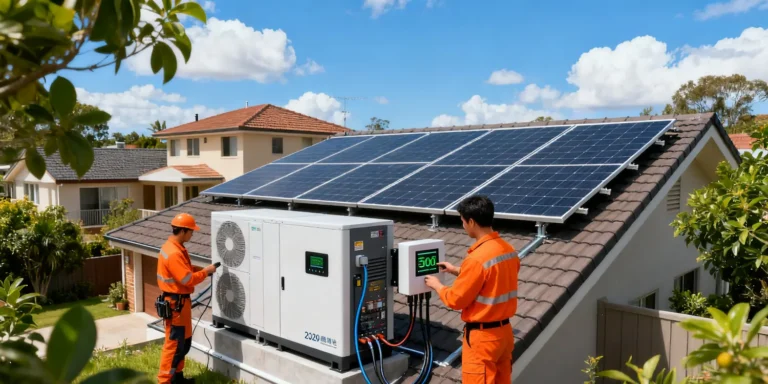
For stationary banks, motive power, and anything cost-first, mature liquid lithium-ion—especially LFP—remains the rational choice. Its price is low and stable, its failure modes are documented, and its cycle life is proven. Paying a solid-state premium for a floor-mounted solar buffer where weight is free is hard to justify on total cost. The disciplined buyer keeps lithium-ion as the default and adopts solid-state only where the density or safety gain is measurable in revenue or certification speed, because a premium you cannot convert into a concrete benefit is just a higher bill of materials with no return attached to it.
A procurement scorecard
| Criterion | Lithium-ion (today) | Solid-state (pilot) |
|---|---|---|
| Cost $/Wh | Low–moderate | High |
| Maturity | Mature | Early production |
| Energy density | Known | Higher (verify) |
| Field data | Extensive | Thin |
| Risk | Known | Process/yield |
Use the scorecard to force an honest comparison at your duty cycle. Rank by $/delivered-cycle and by risk you can tolerate, not by headline density. The cheapest pack on paper is usually the most expensive over the system life, and the newest chemistry is usually the least predictable—so weight the known-quantity column heavily unless you have a reason not to. The scorecard also gives you a defensible paper trail for why you did or did not adopt an emerging chemistry, which matters when a stakeholder later asks why the competitor’s “solid-state” claim was not chased.
BMS and integration implications
A solid-state cell still needs a BMS matched to its voltage window and thermal model; the protection set is similar but the thresholds shift. The lower flammable content eases but does not remove thermal design, and over-charging any lithium system is still dangerous. Confirm the supplier’s BMS reports state-of-health and speaks your host bus (CAN/RS485/SMBus), exactly as you would for liquid cells. The chemistry changes; the system discipline does not. Skipping BMS rigor on a premium cell is the fastest way to waste the money you paid for the density gain, because the electronics, not the chemistry, are what keep the pack alive between the headline number and the ten-year field result.
How to pilot solid-state without betting the line
The safe path is a small pilot on a non-critical, weight-sensitive product where the density gain is the actual selling point, run in parallel with the liquid pack it would replace. Log delivered kWh, aging and temperature through the BMS over a full season, and compare real cost per cycle. Keep lithium-ion as the production default so a solid-state delay cannot stop shipments. After one seasonal cycle with named reference data, you can decide whether to expand—with evidence, not hope. Treat any supplier’s “solid-state” claim with the same skepticism you would apply to a prototype: ask for the part number, the production line and the cycle report, and refuse to volume-commit on anything less than a shipped, named, tested cell.
Reading a solid-state datasheet
When a solid-state datasheet arrives, read it like a skeptic. Confirm the density figure is at cell level, not pack, and a real Wh/kg rather than a volume number that hides weight. Check the cycle-life claim for its depth-of-discharge, temperature and end-of-life threshold, and the C-rate at which capacity is stated. Verify the safety section names a third-party thermal-runaway test, not an internal claim, and that the certification list references the exact cell format you would buy. A datasheet that answers all of these with stated test conditions is a buyable component; one full of headline numbers and no conditions is a slide, not a spec, and buying on the slide is how procurement teams explain a failed rollout to management later.
Residual value and second-life
Solid-state’s younger field database also affects second-life planning. A pack at 70–80% capacity is normally a credible stationary buffer, but only if its history is documented and its aging curve is known—and solid-state’s curve is still being mapped. Buyers who pilot now should log cycles and temperature so the unit has a defensible residual value later, even if the chemistry is new. Build the handoff at purchase with standardized state-of-health reporting, because a mystery pack from an emerging chemistry has no second-life buyer. The rated cycle count is not a cliff; it is the point where the pack graduates to an easier job, and documented history is what makes that transition real rather than theoretical when the time comes to resell or repurpose it.
Frequently asked questions
Is solid-state available now? In limited early production for premium uses; full mass-market scale is still a few years out, and semi-solid is the shipping bridge today.
Is it safer than lithium-ion? Yes on flammable-content and runaway risk, but it still needs a real BMS and thermal path—it is not fireproof.
Will it be cheaper soon? Cost falls with volume and yield; expect a narrowing premium over the decade, but do not assume parity with commodity LFP yet.
Should I wait to buy? No—buy mature lithium-ion for most uses now, and pilot solid-state only where the density or safety gain is measurable.
Written by Karl at China Battery Technology. Tell us your duty cycle and we will say if solid-state pays—request a quote for a candid assessment.
Related Reading
- battery application solutions hub
- Lithium Battery Degradation: Causes and How to Slow It
- How Lithium Batteries Work: A Practical Primer for Engineers