Sodium-Ion Battery for Rural Telecom Sites: Cold-Proof Backup Power
Sodium-Ion Battery for Rural Telecom Sites
Cell towers, fiber huts, and edge compute nodes in remote areas sit far from reliable grid power and must stay up through outages and cold snaps. Sodium ion battery technology is becoming a practical backup choice because sodium is abundant, low-cost, and — crucially — keeps capacity in freezing weather where lithium struggles. For stationary telecom shelters where weight is irrelevant, sodium’s trade-offs favor the operator.
Why Rural Telecom Likes Sodium
Off-grid and fringe sites often rely on diesel plus a battery bank. Sodium-ion holds >90% capacity at −20 °C without heaters, removing a major failure mode for lead-acid and LFP in winter. Its lower material cost shrinks the bill for the many small sites a carrier runs, and its intrinsic safety simplifies enclosure and fire-suppression design.
Cold Performance and Safety
Unlike lithium, sodium-ion has no dendritic lithium risk and a higher thermal-runaway threshold, which matters in unattended huts. Cycle life of 3000–6000 at 80–90% depth suits the daily float-and-occasional-discharge profile of a backup bank, and the cells tolerate long idle without the memory issues of older chemistries.
Telecom Backup Comparison
| Attribute | Sodium-Ion | LFP | Lead-Acid |
|---|---|---|---|
| Cold capacity (−20 °C) | >90% | ~70% (needs heat) | <50% |
| Material cost | Lower | Medium | Low upfront |
| Cycle life | 3000–6000 | 4000–7000 | 300–500 |
| Maintenance | None | None | Watering/equalize |
| Footprint | Larger | Medium | Large |
Sizing a Site Bank
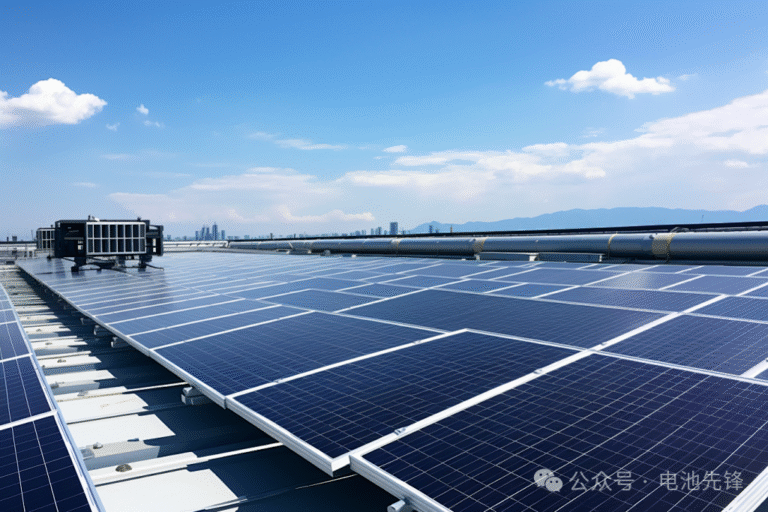
Size to the autonomy window — typically 4–12 hours of site load — plus the rectifier margin so the bank recharges before the next outage. Pair sodium with a hybrid controller that blends grid, solar, and generator, and monitor state-of-health remotely so a weak string is swapped before it strands the site. Where land is cheap, the larger sodium footprint is not a concern.
People Also Ask
Is sodium-ion ready for carrier sites? Yes — regional carriers and towercos are piloting sodium backup in cold-climate sites through 2025–2026, with commercial rollouts beginning.
When would I still choose lithium? If the shelter is space-limited or you need maximum energy density per cubic meter, LFP remains the better fit; sodium wins on cost and cold tolerance.
Hybrid Power and Monitoring
Most rural sites run a hybrid of grid, solar, generator, and battery. A sodium bank works best when the controller treats it as the silent default and only starts the generator after a long, deep outage. Add remote monitoring so the network operations center sees state-of-charge, temperature, and string voltage without a truck roll; many outages are caught and explained by a single dashboard rather than a field complaint. For multi-site carriers, standardize the battery and controller so one spare string fits every hut and every technician knows the procedure.
How do I know when to replace a sodium bank? Track capacity fade via remote monitoring; plan replacement when the bank can no longer hold the required autonomy window, typically after several thousand cycles or 8–12 years of float service.
Written by Karl at China Battery Technology. Request a quote.