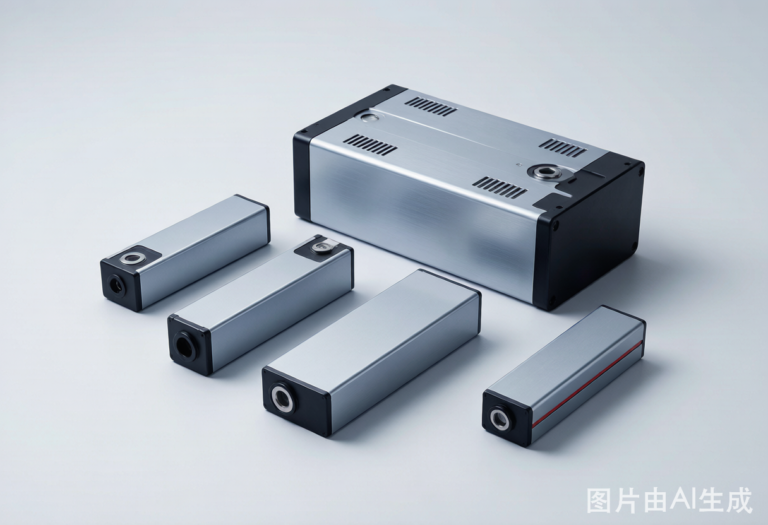
Sodium-Ion Battery for Mobile Light Tower: Quiet, Cold-Proof Jobsite Light
Sodium-Ion Battery for Mobile Light Tower: Quiet, Cold-Proof Jobsite Light
Road crews, event teams, and emergency responders need light where there is no grid, and diesel towers are loud, smelly, and miserable to run in winter. A sodium ion battery pack drives LED floodlights silently and keeps working when temperatures drop — a real advantage for cold-climate sites where other cells limp along on heaters.

Why Sodium for the Tower
Light towers run a predictable, shallow daily cycle: charge from shore power or a small PV top-up by day, discharge through the night. Sodium-ion cells use abundant, non-critical materials and hold 90%+ capacity at −20 °C without heating, so the enclosure stays simple and the runtime stays honest in January. For a stationary box where weight is irrelevant, sodium’s lower cost per watt-hour compounds across a fleet.
Cold Performance Without Heaters
Lithium iron phosphate needs pad heaters below freezing to avoid plating and capacity loss, which steals energy and adds failure points. Sodium-ion’s chemistry stays kinetically friendly in the cold, so a cold-site tower delivers the same lumen-hours in February as in August. That predictability matters for night roadwork where a dim tower is a safety hazard.
Light Tower Storage Comparison
| Attribute | Sodium-Ion | LFP (LiFePO4) | Diesel |
|---|---|---|---|
| Cold capacity (−20°C) | >90% | ~70% (with heat) | Full (but noisy) |
| Noise | Silent | Silent | Loud |
| Emissions | Zero | Zero | CO / NOx |
| Fuel cost | None | None | High |
| Material cost | Lower | Medium | — |
Sizing a Tower Pack
Size to the LED load — commonly 200–800 W for a 4–6 lamp mast — times the required nightly runtime, plus a margin for cloudy days if PV-assisted. A 5–15 kWh sodium box covers a full overnight shift. Add a simple BMS with state-of-charge readout and over-discharge cutoff, and mount the pack high enough to stay dry on flooded sites.
Fleet and Maintenance Savings
Strip out the diesel engine, fuel tank, and exhaust servicing and a sodium tower’s running cost collapses. There is no fuel to haul, no oil to change, and no generator to winterize — just plug in and charge. Crews stop waking neighbors with a screaming generator at 2 a.m., and event organizers can place towers where noise rules would ban diesel. Over a five-year fleet life the savings on fuel and engine maintenance often exceed the pack cost, and the sodium cells themselves last the life of the tower with only basic BMS checks. Specify a pack with a visible state-of-charge gauge and a manual disconnect so a stored tower cannot self-discharge into a dead pack over the off-season.
Buying Checklist
Specify a sodium-ion pack rated for your nightly LED load with at least one extra hour of margin, an IP54 or better enclosure, and a BMS with visible state-of-charge and over-discharge cutoff. Confirm the charger works from site shore power or a small PV panel, and that the pack is mountable high and dry. Ask the supplier for cold-performance data at −20 °C and a manual disconnect for off-season storage, then trial one tower before converting the fleet.
People Also Ask
Is sodium-ion safe indoors or near crowds? Yes — no liquid flammable electrolyte dendrite risk and a higher thermal-runaway threshold make it a calm choice for events and urban sites.
When would I still pick lithium? Only if you need the smallest footprint; for a tower where size does not matter, sodium’s cold edge and cost win.
Written by Karl at China Battery Technology. Request a quote.
Related reading: Sodium-Ion Battery for Offshore Platforms: Safer Remote Power