Sodium Ion Battery for Off Grid Cabin: Quiet Power
Off-grid cabins want lights, fridge, and devices without a generator’s noise and fuel runs. A trusted sodium ion battery supplier can store solar cheaply for the retreat. Stationary use ignores the weight penalty entirely.
Load and Autonomy
List the fridge, lights, and chargers you actually use, then size a few days of autonomy for cloudy stretches.
Sodium’s low cost lets you oversize the buffer so the cabin never goes dark during a long poor-weather spell.
Solar Pairing
Add PV with an MPPT controller sized for winter sun, and tilt the array for your latitude to maximise yield.
Slightly oversizing solar is cheaper than a service trip to a remote cabin when the battery runs low unexpectedly.
Simple Operation
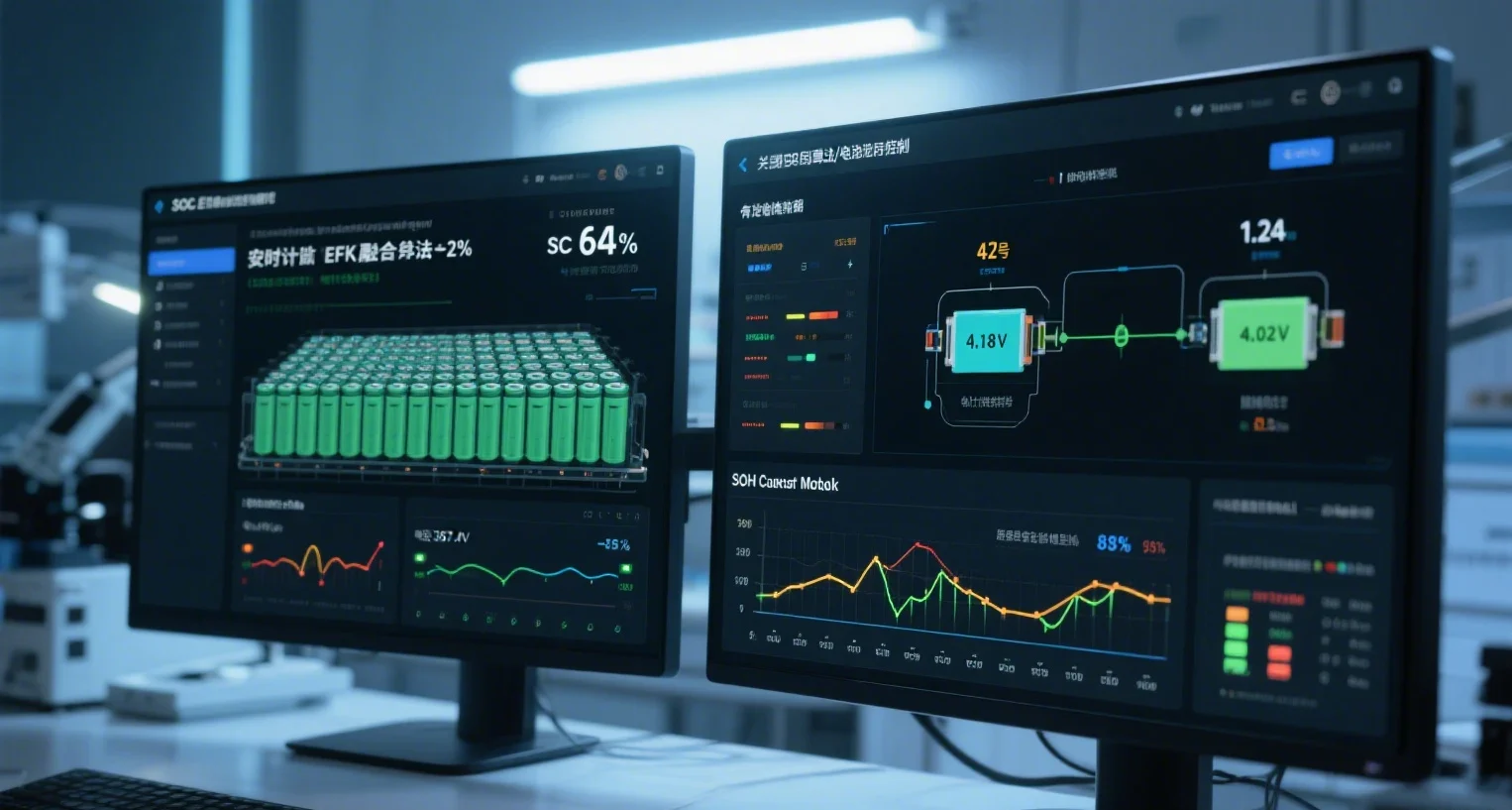
Keep the system understandable so any occupant can monitor state-of-charge and avoid draining the bank overnight.
A small spare charged pack at the cabin means a fault is a quick swap, not a ruined weekend in the woods.
Comparison at a Glance
| Need | Solution | Gain |
|---|---|---|
| Store | Na pack | Cheap |
| Charge | Solar | Off-grid |
| Spare | Pack | Quick |
People Also Ask
Can sodium power an off-grid cabin? Yes, cheap stationary storage buffers solar for lights, fridge, and devices.
Frequently Asked Questions
How big a buffer?
A few cloudy days; sodium makes a generous buffer affordable.
Is it quiet?
Yes, replacing generator runs with silent solar-charged storage.
Key Takeaways
- List loads.
- Size days.
- Winter solar.
- Spare pack.
Selection Criteria
When you evaluate a sodium ion battery for off grid cabin, the lowest quote is rarely the best value, because the cheapest pack can fail earliest once it meets real load and temperature swings. A qualified sodium ion battery will help you match capacity, peak discharge rate, and certification to your actual duty cycle rather than a marketing figure on a spec sheet. Prioritise List loads., Size days., and Winter solar. during supplier review, and confirm warranty and field-support terms in writing before you commit to a purchase.
Remember that total cost of ownership also includes energy efficiency, expected cycle life, and the availability of spares and local service, all of which frequently matter more than the initial sticker price you are quoted today. Ask for references from operators running the same application, and validate the battery against a representative duty cycle before scaling the deployment across your whole fleet.
- List loads.
- Size days.
- Winter solar.
- Spare pack.
As a practical next step, shortlist two or three suppliers and request a reference installation in an application close to yours. A credible sodium ion battery will share independent case studies, validated test data, and an operator contact you can call. Compare the support offered after the sale as carefully as the headline specification, because that ongoing support often decides whether the sodium ion battery for off grid cabin delivers its promised value across the full service life rather than only on the first day of operation.
Finally, document your acceptance criteria before delivery: the test results, warranty terms, and service response time you expect in writing. Clear expectations prevent disputes later and give both sides a measurable standard for a successful and repeatable handover of the system.
Calculating Autonomy Days
Autonomy is the number of cloudy days your bank can cover without solar input, and it decides pack size more than anything else. List the real loads: a 12 V DC fridge at 40 Ah/day, LED lighting at 5 Ah/day, phone and laptop chargers at 10 Ah/day, and a water pump at 15 Ah/day gives roughly 70 Ah/day at 12 V, about 840 Wh. For three autonomy days you need 2,520 Wh of usable storage. Sodium-ion tolerates deep discharge, so sizing to 80% usable is safe; a 3.3 kWh bank covers it with margin. Oversizing here is cheap insurance, because a remote cabin with a dead bank means a fuel run or a ruined weekend, not a quick grid reset.
Low-Temperature Cabin Performance
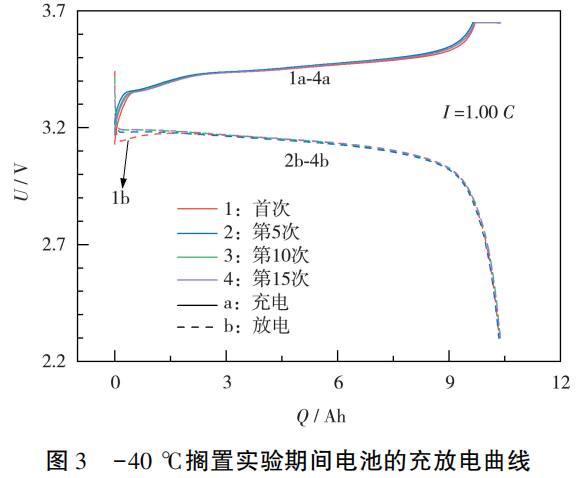
Many cabins sit cold for months, and that is where sodium-ion surprises people used to lithium. Below 0 °C a lithium pack loses charge acceptance and capacity; sodium-ion keeps most of its capacity down to around -20 °C and still discharges in the cold, which suits an unheated outbuilding far better than LFP. Charging still wants the cells above freezing, so either charge during the day when the cabin is warm from sun and activity, or add a small pack heater for the bulk-charge window. The practical result is a bank that actually delivers its rated watt-hours on a January morning, not a datasheet number you never see in the field.
Inverter and Charge Controller Setup
Run the DC loads straight from the 12 V or 24 V bus where you can, and use a pure-sine inverter only for the few AC items like a laptop brick or a power tool. A 20-40 A MPPT controller sized for your worst winter week is the right call; size it to array short-circuit current with 25% headroom so a cold, bright morning does not cook the regulator. Set the sodium charge profile: bulk to around 3.6-3.8 V per cell, absorb briefly, then float low to protect life. A battery monitor with a shunt on the negative bus gives an honest state-of-charge readout, which stops occupants from quietly draining the bank overnight and blaming the solar.
Expansion Path
Start with one cabinet sized for three autonomy days, then add a second string the next season if you find the cabin busier than planned. Sodium’s low cost makes this incremental approach sane, and a modular 12 V or 24 V cabinet keeps the wiring simple. Keep all parallel strings the same age and capacity so the BMS balancing stays meaningful, and label each cabinet with its commissioning date. Because the chemistry is stable and cobalt-free, you can site the expansion bank in the same shed without the fire-review drama a large lithium install would trigger in a remote, hard-to-reach cabin.
Frequently asked questions
How many autonomy days do I need? Three is the common minimum for a weekend cabin; four to five suits a place used in long, cloudy winters or by guests who forget to conserve.
Will sodium work in a freezing cabin? Better than lithium. It keeps capacity to around -20 °C and discharges in the cold; just warm it above freezing for bulk charging.
Do I need an inverter? Only for AC loads. Run lights, fridge, and chargers on the DC bus and use a small pure-sine inverter for the occasional AC tool.
Can I add capacity later? Yes, add a matched cabinet next season; keep parallel strings the same age and capacity so balancing stays correct.
Written by Karl at China Battery Technology. Request a quote.
Related reading: Sodium-Ion Battery for Offshore Platforms: Safer Remote Power
Related Reading
- sodium-ion battery technology guide
- Sodium Ion Battery for Mining Light Vehicle: Value
- Sodium-Ion Battery for Grid Balancing: A Practical Guide