Sodium-Ion Battery for Forklift Fleet: A Cost-Smart Alternative
Sodium-Ion Battery for Forklift Fleet: A Cost-Smart Alternative
Warehouses run forklifts in shifts, and the battery is the single biggest lifecycle cost after the truck itself. A sodium ion battery is emerging as a lower-material-cost, intrinsically safer option for indoor fleets where extreme energy density is less important than price, durability, and fire safety.
Why Sodium for Forklifts
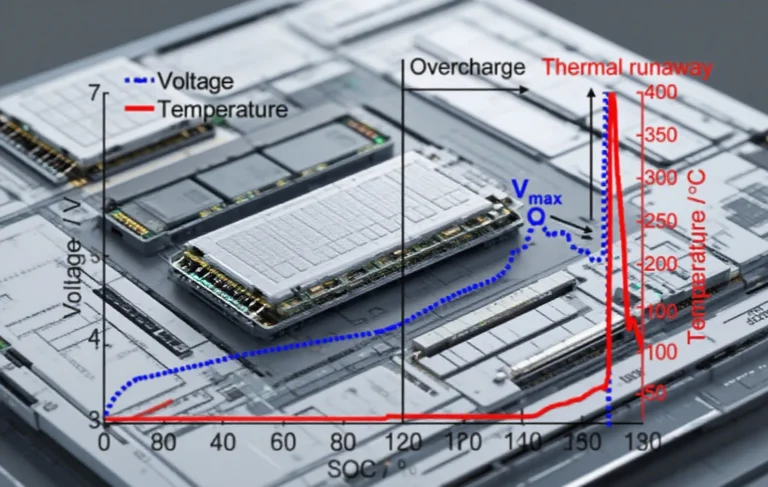
Forklift duty is deep, frequent cycling with opportunity charging between shifts. Sodium-ion handles thousands of cycles at 80–90% depth and avoids the cobalt and nickel cost exposure of NMC, which matters when a fleet needs dozens of packs. Its higher thermal-runaway threshold also eases indoor fire-safety design.
How It Compares
Sodium is a little larger and heavier per kWh than LFP, which is acceptable in a counterbalance truck where mass is useful. For cold docks it keeps capacity better than LFP without heaters, and it tolerates partial state of charge without the memory issues that plague lead-acid.
Forklift Battery Comparison
| Attribute | Sodium-Ion | LFP | Lead-Acid |
|---|---|---|---|
| Material cost | Lower | Medium | Low (short life) |
| Cycle life | 3000–6000 | 4000–7000 | 1000–1500 |
| Cold dock | Excellent | Needs heat | Poor |
| Indoor safety | High | High | Venting risk |
Deployment
Match pack voltage to the truck (24/48/80 V), confirm the charger supports sodium’s wider voltage window, and use opportunity charging at break times to keep every truck in rotation. Track throughput per pack so replacements are scheduled, not reactive.
People Also Ask
Can sodium replace lithium in my fleet now? For most indoor, non-weight-critical duty yes — early commercial packs are shipping to warehouses in 2025–2026.
When would I still pick lithium? When you need maximum energy per kilogram or a very compact pack for a small truck.
Written by Karl at China Battery Technology. Request a quote.