Sodium-Ion Batteries for Electric Rickshaws and 3-Wheelers
Sodium Ion Battery Rickshaw and 3-Wheeler Guide
Electric rickshaws and cargo trikes move millions of people and goods across South Asia and Africa. Their operators care about one thing above all: lowest total cost per kilometer. A sodium ion battery is emerging as a strong fit because sodium raw materials are cheap and abundant, insulating fleets from lithium price swings that wreck thin margins.
Why Sodium Fits This Segment
Rickshaws run short urban routes with frequent stops, so they do not need the highest energy density. What they need is affordability, safety in hot climates, and tolerance of rough charging habits at roadside shops. Sodium-ion stays stable at high temperature and survives abuse better than some lithium chemistries at comparable price points and with less fire risk.
Sodium vs Lithium for 3-Wheelers
| Factor | Lithium (LFP) | Sodium-ion |
|---|---|---|
| Material cost | Medium | Lower |
| Energy density | Higher | Lower |
| Hot-climate safety | Good | Very good |
| Cold performance | Fair | Better |
Integrating With Battery Application Solutions
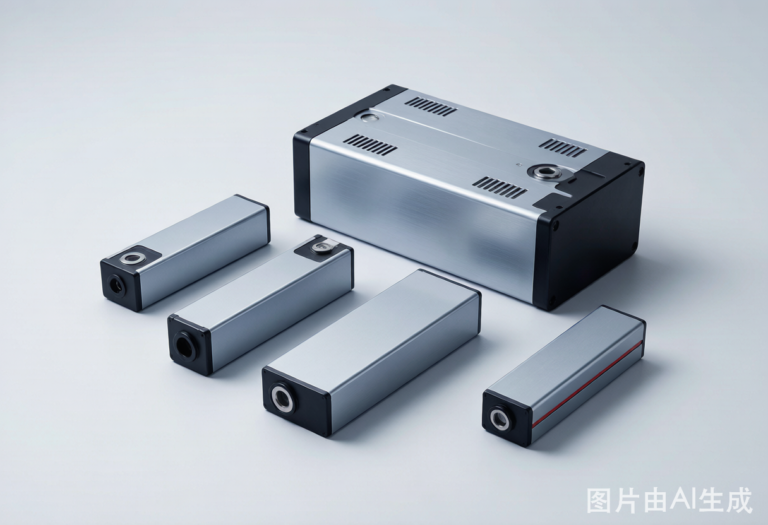
Most battery application solutions for rickshaws will be sodium-first for the next few years in price-sensitive, short-range duty cycles. The pack is often a simple, sealed 48V or 60V module swapped at a street-side station, which favors a chemistry that is safe to handle and cheap to stock as spares across a wide depot network.
Procurement for Fleet Operators
Buy on cost per kilometer and swap simplicity, not peak range. A sodium ion battery that is 15% heavier but 25% cheaper per cycle usually wins for a 40–60 km daily route where weight is not the constraint that it is for a passenger car climbing hills all day.
Total Cost of Ownership for Operators
Model the swap station economics: cheaper sodium packs mean lower spare inventory cost and less capital tied up in rotating batteries. Because sodium tolerates rough charging, roadside shops need less training and fewer failures. The 15-25% range penalty is usually irrelevant on short urban routes, so the lower per-kilometer battery cost dominates the business case for fleet owners.
Key Takeaways for Buyers
Operators should spec the pack for actual daily distance plus a safety margin, and standardize on a swap model so one depleted unit never grounds a vehicle. Because sodium tolerates rough roadside charging, training burden drops and roadside failures fall. The case is rarely about peak range and almost always about lower per-kilometer battery cost across a high-utilization fleet.
People Also Ask: Will Sodium Replace Lithium in Rickshaws?
In price-sensitive, short-range duty cycles, yes—sodium is already winning tenders. For longer-range or weight-limited vehicles, lithium still leads on energy density. Most battery application solutions here will be sodium-first for the next few years as supply scales.
Frequently Asked Questions
How does range compare?
Expect roughly 15–25% less range for the same weight versus LFP. For a 40–60 km daily rickshaw route that is usually acceptable and outweighed by lower pack cost over the service life.
Are sodium packs compatible with existing chargers?
Voltage windows differ slightly, so use a charger matched to the sodium pack’s BMS. Retrofitting usually means swapping the battery and charger together to avoid mismatch faults and nuisance tripping.
Written by Karl at China Battery Technology. Request a quote.