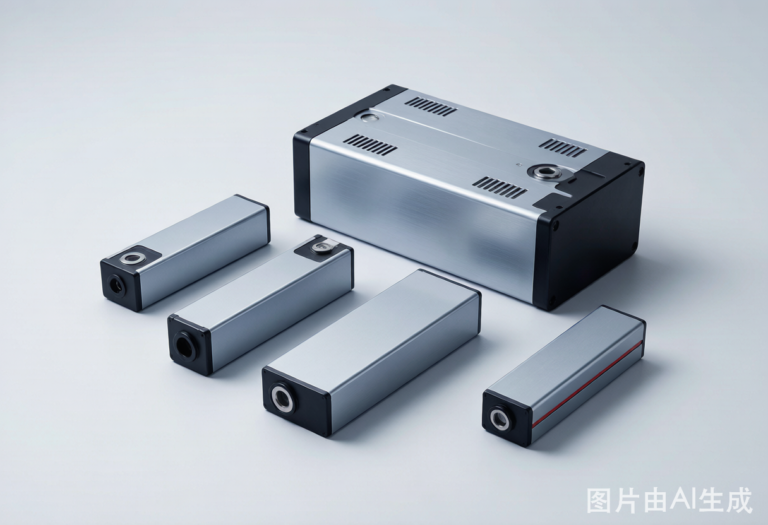
Sodium-Ion Battery for Electric Concrete Mixer: Job-Site Power
Sodium-Ion Battery for Electric Concrete Mixer: Job-Site Power
Small concrete mixers on construction sites have long run on dirty diesel or a long extension lead. The electric mixer is the cleaner option, and the chemistry behind its pack is starting to shift. A sodium ion battery is an increasingly practical choice for a mixer drum that sits on one site for weeks, where weight barely matters but material cost, cold tolerance, and fire safety do.
Why a Mixer Suits Sodium-Ion
A drum mixer is a steady, moderate load — the motor spins the barrel and occasionally lifts a loaded drum. It does not need the extreme energy density of a phone or a car, so sodium’s lower gravimetric density is irrelevant when the pack is bolted to a heavy steel frame. What matters is that sodium cells are cheap to build from abundant materials and resist cold far better than many lithium packs, which keeps a winter job site running without heater blankets.
Load Profile and Sizing
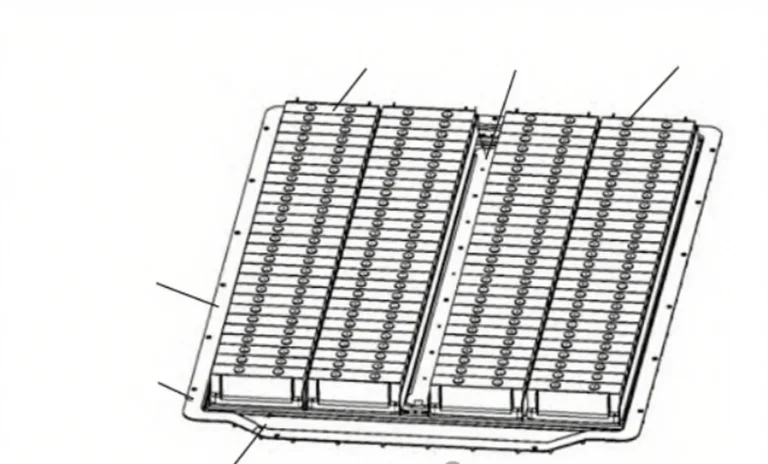
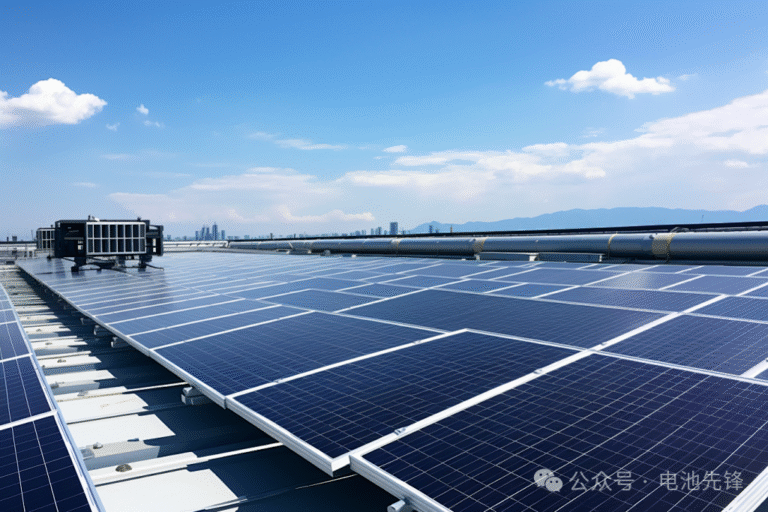
Size the pack to the drum motor’s running amps plus the peak of a loaded start, then add capacity for the number of batches per shift. A 48–96 V sodium pack in the 10–30 kWh band typically runs dozens of mixes between charges. Because the mixer is stationary on site, opportunity charging from a site generator or solar skid is straightforward, and the slow, shallow cycling suits sodium’s long cycle life.
Sodium vs Lithium for Site Equipment
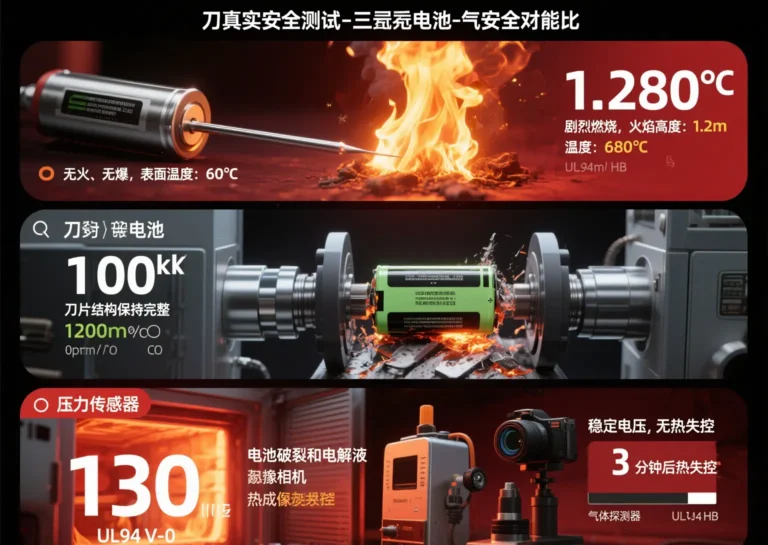
Lithium iron phosphate remains the benchmark for compact, high-cycle tools, but for a bulky, cost-sensitive mixer sodium closes the gap fast. Its higher thermal stability simplifies enclosure design, and its cold-weather retention means fewer winter mornings spent waiting for a pack to warm up. The trade is footprint: a sodium pack of equal energy is larger, which is fine when it lives on the mixer chassis.
Mixer Power Comparison
| Attribute | Sodium-Ion | LFP (LiFePO4) | Diesel |
|---|---|---|---|
| Running cost | Low | Medium | High (fuel) |
| Cold tolerance | Excellent | Good (needs heat) | Good |
| Emissions on site | None | None | High |
| Footprint | Large | Medium | Small (tank) |
| Maintenance | Low | Low | High |
Deployment Tips
Mount the pack in a vented, lockable enclosure with ingress protection against cement dust and wash-down spray, and route the motor cables through sealed glands. Use a charger sized for a full recharge overnight plus a partial top-up during the lunch break. Track throughput per pack so you can rotate multiple mixers without surprising a crew with a dead drum at pour time.
Charging and Cold-Weather Storage
Sodium’s cold tolerance is the headline advantage on a winter site: the pack keeps capacity below freezing where a lithium pack would need heater energy just to accept a charge. Store the mixer with the pack at a partial state of charge if it will sit idle for a month between pours, and keep the enclosure vented so any off-gassing from adjacent cement admixtures cannot accumulate. A simple battery-management readout on the mixer tells the operator when a top-up is due before a critical slab is poured.
People Also Ask
Is sodium-ion ready for construction equipment? Yes — for slow-cycling, weight-tolerant machines like drum mixers, sodium packs are already a viable, lower-cost alternative to lithium in 2025–2026 field use.
Does cold weather hurt a sodium mixer pack? Much less than lithium: sodium-ion holds capacity well below freezing, so a winter pour is far less likely to stall the drum.
Written by Karl at China Battery Technology. Request a quote.
Related reading: Sodium-Ion Battery for Offshore Platforms: Safer Remote Power