Sodium-Ion Battery for Grain Silo Monitoring: Cold-Weather Sensor Power
Sodium-Ion Battery for Grain Silo Monitoring: Cold-Weather Sensor Power
Stored grain spoils quietly. A hot spot deep in a silo can develop over a week, and by the time it is smelled at the hatch, thousands of dollars of wheat or corn are downgraded. Continuous temperature and moisture monitoring solves this, but only if the sensor cabinet keeps working through a prairie winter. A sodium ion battery handles that duty better than most alternatives, because its performance curve stays usable when the thermometer drops well below freezing.
The Real Problem Is Temperature, Not Capacity
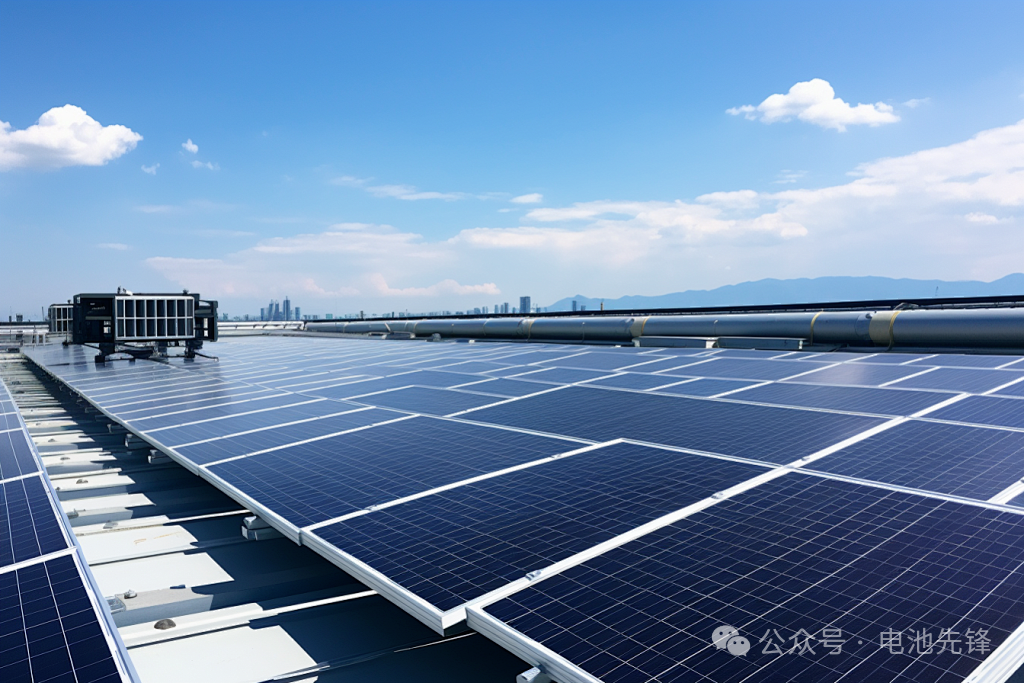
Silo monitoring is a low-power application. A cable of thermocouples, a moisture probe, a controller, and a LoRaWAN or cellular radio typically average 0.5–2 W. Sizing energy is easy. The hard part is that the cabinet sits outdoors on the silo skirt with no heating, and the coldest nights are exactly when grain managers most want data. Lithium iron phosphate cannot be charged below 0 °C without plating risk, so a solar-fed lithium cabinet either needs a heater — which consumes the very energy it is trying to store — or it stops accepting charge for weeks.
Why Sodium-Ion Fits the Cabinet
Sodium-ion cells retain roughly 85–90% of rated capacity at −20 °C and, critically, can accept charge at sub-zero temperatures within the manufacturer’s derated current limits. For an unheated cabinet on a farm, that difference decides whether the winter solar harvest reaches the battery at all. Sodium-ion also tolerates being held at a low state of charge without permanent damage, which is normal in December when the panel sees four usable hours of light.
Sizing a Silo Monitoring Pack
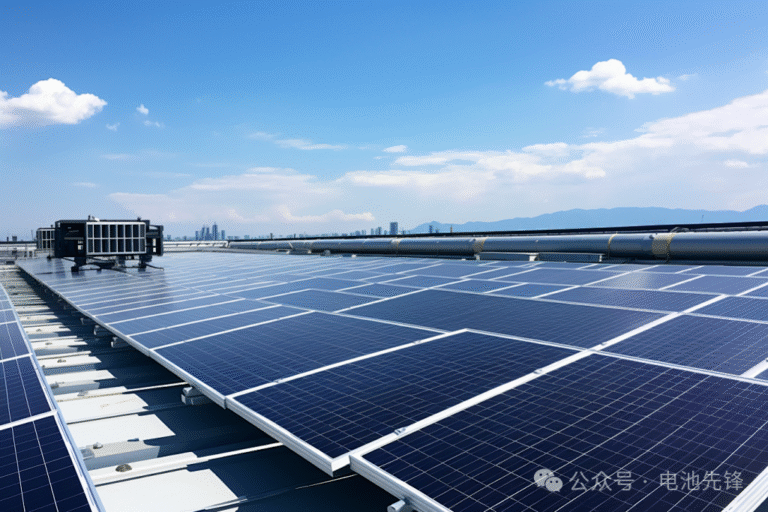
Work from the worst week, not the average. Assume 1.5 W continuous plus a 3 W radio burst every 15 minutes, giving about 40 Wh per day. Five days of autonomy with no solar input is 200 Wh; derate 20% for cold and 20% for end-of-life, and a 300 Wh sodium-ion pack at 12 V or 24 V is a comfortable specification. Pair it with a 60–100 W panel mounted at a steep winter angle so snow sheds instead of accumulating.
Grain Monitoring Battery Comparison
| Attribute | Sodium-ion | LiFePO4 | AGM lead-acid |
|---|---|---|---|
| Charge below 0 °C | Yes (derated) | No, needs heater | Yes, poor efficiency |
| Capacity at −20 °C | 85–90% | 60–70% | 50–60% |
| Cycle life | 2000–4000 | 3000–6000 | 300–500 |
| Low-SOC tolerance | Excellent | Fair | Poor (sulfation) |
| Fire risk in dust | Very low | Low | Low (gassing) |
| Service interval | Inspect yearly | Inspect yearly | Replace 2–4 years |
Dust, Bonding and Safety on a Grain Site
Grain dust is combustible, so anything electrical near a silo needs care. Keep the battery cabinet outside the classified zone where possible, use sealed enclosures at IP65 or better, and bond the cabinet to the silo earth system. Sodium-ion helps here as well: its lower thermal runaway propensity and the fact that packs can be shipped and stored at zero volts make it a far easier conversation with a farm insurer than a high-energy lithium bank inside a dusty environment.
Installation Notes That Save Callbacks
Mount the enclosure on the north face in hot climates and out of the auger loading path everywhere. Use a solar charge controller with a sodium-ion profile or a configurable one, since standard lead-acid absorption voltages will not charge the pack correctly. Bring the sensor cable in through a gland at the bottom of the box so condensation drains away from the terminals, and label the pack with its chemistry — farm electricians default to assuming lead-acid and will otherwise connect the wrong charger.
People Also Ask
How long will a sodium-ion pack run a silo sensor without sun? A 300 Wh pack supporting a typical 40 Wh/day load carries roughly five to seven days of full autonomy, even accounting for cold-weather derating.
Is sodium-ion cheaper than lithium for this use? Cell cost per kWh is competitive and improving, but the real saving comes from deleting the cabinet heater and the associated wiring, and from avoiding winter site visits to swap dead lead-acid batteries.
Can I retrofit sodium-ion into an existing lead-acid monitoring cabinet? Usually yes, provided the charge controller supports a custom voltage profile and the pack voltage matches. Confirm the controller’s low-voltage disconnect is compatible with the sodium-ion discharge curve, which is flatter than lead-acid.
Written by Karl at China Battery Technology. Request a quote.
Related reading: Sodium-Ion Battery for Offshore Platforms: Safer Remote Power