Sodium-Ion Battery for Agricultural Irrigation: Solar-Pumped Reliability
Sodium-Ion Battery for Agricultural Irrigation: Solar-Pumped Reliability
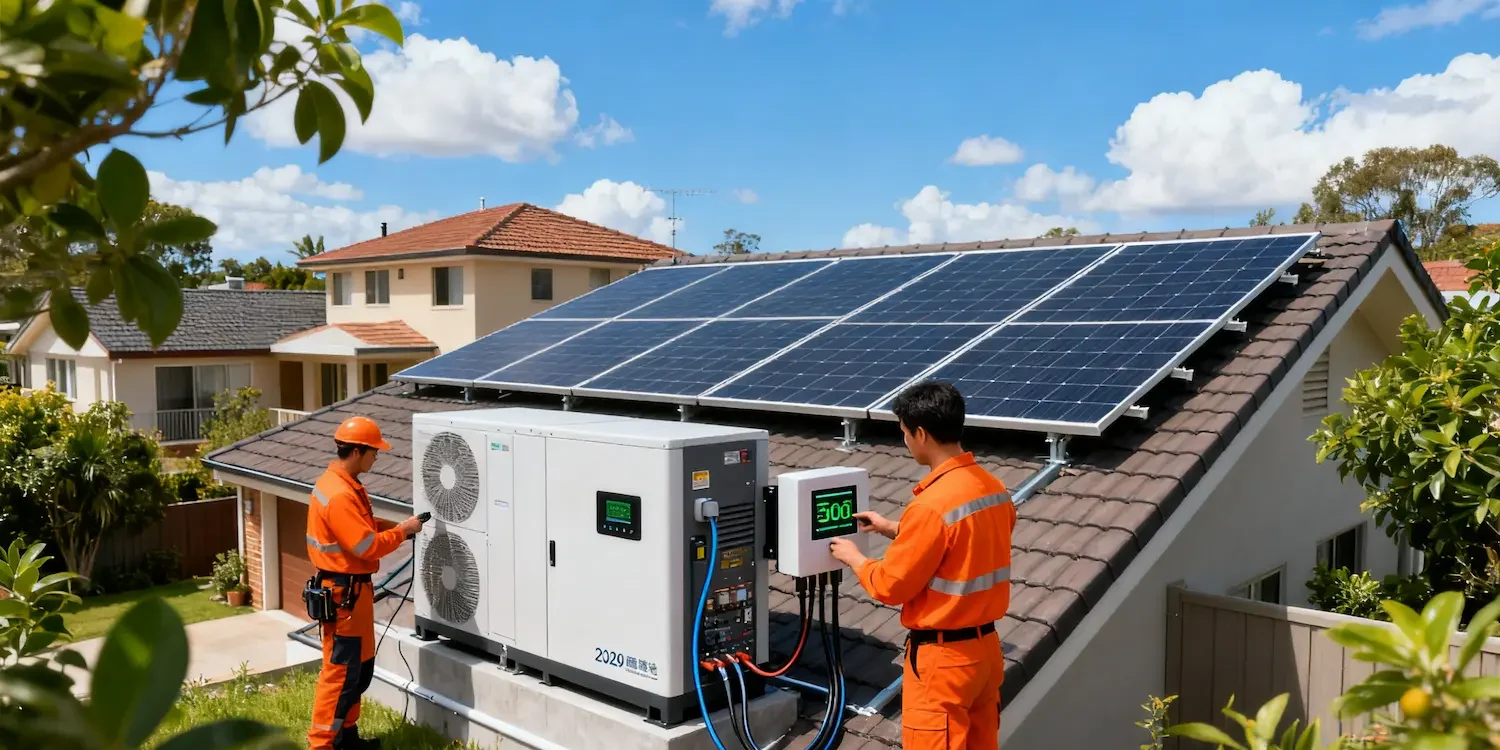
Smallholder and cooperative farms are pairing solar panels with water pumps to irrigate without diesel or grid extensions. But a pump that only runs at noon wastes the sun, and a lead-acid bank in a hot, dusty pump house fails fast. A sodium ion battery brings low-cost, abundant chemistry and strong cold-weather behaviour to exactly the bulk stationary storage that field irrigation demands, where weight and footprint matter less than price and durability.
Why Irrigation Is a Sodium Sweet Spot
Irrigation storage is large (kWh to tens of kWh), stationary, and price-sensitive. Sodium-ion uses iron, manganese, and aluminum instead of lithium, nickel, and cobalt, so the material bill is lower and the supply chain is less exposed to geopolitics. For a pump house measured in cubic meters of water per day, those savings scale directly with system size.
Cold Mornings and Hot Afternoons
Fields cool sharply at night and bake by midday. Sodium-ion keeps more than 90% of its capacity at −20 °C without heaters, so an early-morning pump start is not starved after a cold night, and it tolerates high ambient temperatures better than many lithium chemistries without the same thermal-runaway anxiety. That simplifies the enclosure and cuts fire-suppression cost for a structure far from the fire brigade.
Irrigation Storage Comparison
| Attribute | Sodium-Ion | LFP (LiFePO4) | Lead-Acid |
|---|---|---|---|
| Material cost | Lower | Medium | Low (short life) |
| Cold performance | Excellent | Good (needs heat) | Poor |
| Cycle life | 3000–6000 | 4000–7000 | 300–600 |
| Footprint per kWh | Larger | Medium | Largest |
| Maintenance | None | None | Watering/equalize |
Sizing a Pump Battery
Match the battery to the pump’s daily water target, not its peak wattage. A 1 hp surface pump moving roughly 4–6 m³/hour for a few hours a day needs a battery sized for that duty plus the solar array to refill it. Favor a 2–4 hour usable duration, add a small margin for consecutive cloudy days, and let the controller prioritize pumping when the tank level is low rather than strictly following the sun.
People Also Ask
Is sodium-ion ready for farm duty? Yes — multi-kilowatt-hour sodium systems are shipping for stationary solar storage in 2025–2026 and suit pump houses where cost and cold tolerance beat energy density.
When should I still pick lithium? If the pump house is space-constrained or you need maximum energy per cubic meter; LFP remains the compact, high-energy choice for tight installs.
Written by Karl at China Battery Technology. Request a quote.