Semi Solid State Battery for Electric Fishing Drone: Lightweight Endurance for Bait-Drop UAVs
Semi Solid State Battery for Electric Fishing Drone: Lightweight Endurance for Bait-Drop UAVs
Anglers are adopting small electric fishing drones to drop baited lines past the breakers and scout structure from the air. These quadcopters live and die by weight: every gram of battery reduces payload and flight time. A semi solid state battery offers the energy density of advanced lithium with a safer, partly solid electrolyte, making it a strong fit for a craft that flies over salt water and lands near people.
Why a Fishing Drone Needs a Different Cell
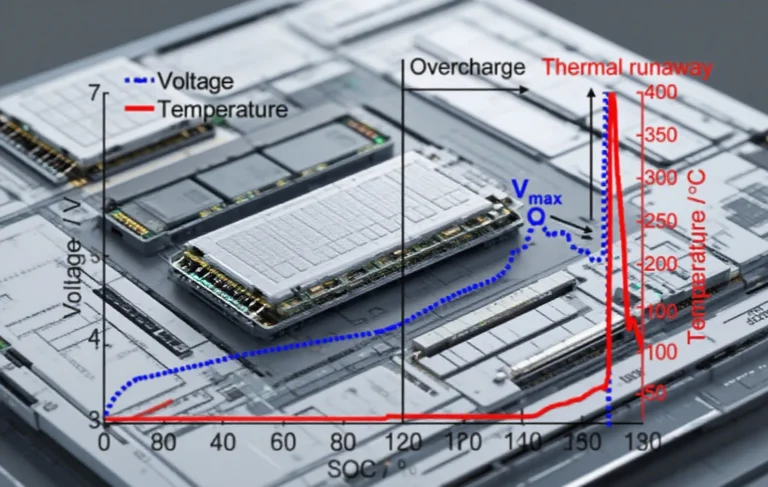
Consumer quadcopters already run on high-energy lithium-polymer cells, but those pouch cells swell, vent, and lose capacity fast in heat and humidity. Fishing drones add corrosion, repeated salt spray, and hard splashdowns. Semi-solid cells replace much of the flammable liquid with a gel or composite, cutting venting risk while keeping the high energy density that keeps the drone airborne.
Energy Density Versus Endurance
Flight time scales directly with pack energy per gram. A semi-solid pack at 300-350 Wh/kg can extend a 10-12 minute bait-dropping flight toward 15-18 minutes, or let the same airframe carry a heavier line and reel. For shore anglers that extra range is the difference between reaching the rip and falling short.
Drone Power Comparison
| Attribute | Semi-Solid | Li-Po | Li-ion (NMC) |
|---|---|---|---|
| Energy density | High (300-350) | Medium-High | High |
| Swelling risk | Low | High | Medium |
| Thermal safety | Improved | Poor | Medium |
| Cycle life | 800-1500 | 300-500 | 600-1000 |
| Cost | Medium | Low | Medium |
Specifying a Pack for Saltwater Use
Choose a pack with conformal coating on the BMS, corrosion-resistant connectors, and a sealed enclosure rated for splash and humidity. Keep the C-rating high enough for burst lift on takeoff with a loaded line, but avoid pushing the pack to its limits on every flight. Balance charging and storage at ~60% between trips preserves calendar life.
Handling and Storage
Rinse the drone and battery bay with fresh water after each saltwater session and dry before charging. Store packs in a fire-safe bag at room temperature, away from direct sun in the truck. Watch for puffing or heat during charge; a semi-solid cell that still swells should be retired rather than flown.
Cost and Market Outlook
Semi-solid cells cost more than commodity Li-Po today, but the gap is narrowing as volume climbs. For a fishing drone the premium buys longer service life and fewer pack replacements across a season, which often offsets the upfront difference for operators who fly weekly. Buy from a supplier that documents cycle testing and offers matched, balanced packs rather than loose cells you assemble yourself, since a poorly balanced build is the fastest route back to swelling and early failure.
What to Ask a Supplier
Request the cell’s rated Wh/kg, continuous and peak C-rate, and third-party cycle-test results at your expected depth of discharge. Confirm the BMS supports balance charging and over-temperature cutoff, and ask whether the pack is rated for outdoor humidity. A supplier willing to share test data and a realistic warranty is a better long-term partner than the cheapest listing, especially when the pack flies over water near people.
People Also Ask
Are semi-solid batteries available for fishing drones now? Yes, a growing number of premium drone and aftermarket packs use semi-solid cells as of 2025-2026, though they cost more than standard Li-Po.
Do they really last longer than Li-Po? Typically two to three times the flight cycles, because the composite electrolyte resists swelling and degradation that kills conventional pouches in a season of heavy use.
Written by Karl at China Battery Technology. Request a quote.
Related reading: Semi-Solid State Battery for VR Headsets: Lighter, Safer Immersion