Lithium Ion Battery Cells Wholesale: Grades, MOQ and Pricing
Lithium Ion Battery Cells Wholesale: Grades, MOQ and Pricing
Buying cells by the thousand is a different discipline from buying a finished pack. Wholesale cell sourcing rewards buyers who understand grades, formats and the true drivers of price-per-watt-hour. This guide is written for distributors, OEMs and integrators who want to build or label their own packs and need to avoid the classic traps that turn a cheap quote into a field-failure line item.
Why buy cells wholesale instead of packs
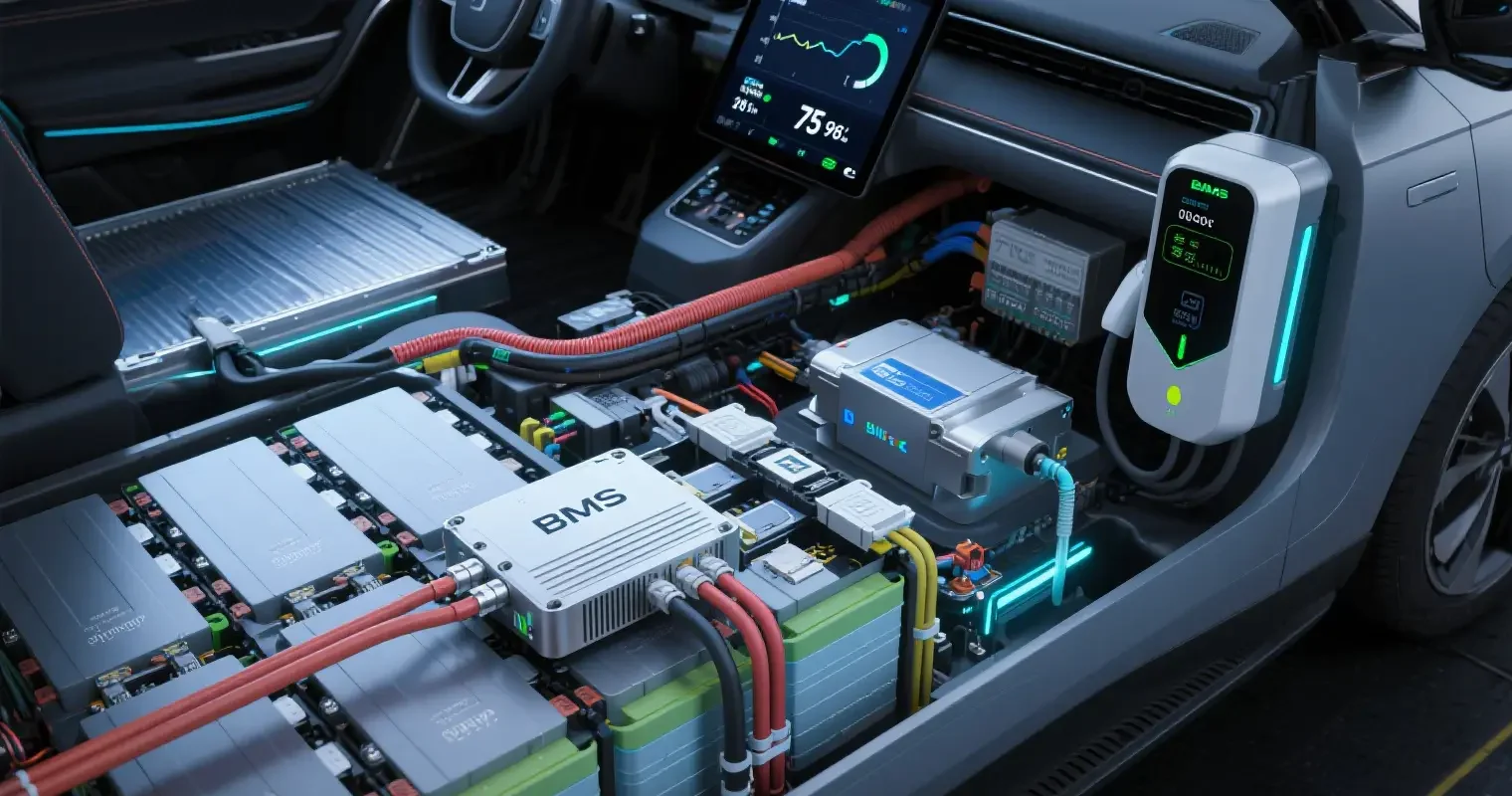
Integrators with in-house assembly control the mechanical envelope, the BMS and the bill of materials, and they avoid paying a second margin on a finished pack. A lithium battery manufacturer that sells loose cells with sorting data lets you build exactly the voltage and form factor your product needs. The trade-off is responsibility: you own the welding, the BMS integration and the certification path, so the savings only materialize if your engineering is real. Wholesale only makes sense once you have or can hire the assembly and test capability—otherwise a finished pack is the cheaper path after you price your own scrap rate.
Cell grades: what A, B and recycled actually mean
| Grade | Typical source | Risk profile |
|---|---|---|
| Grade A (new, matched) | Direct from branded fab, sorted | Lowest; best cycle life |
| Grade B | Off-spec or looser bins | Uneven aging, warranty claims |
| Recycled / second-life | Harvested from packs | Variable, needs full re-test |
Grade-A cells carry tight capacity and internal-resistance bands and traceable batch codes. Grade-B looks identical on paper but drifts sooner; in a series string the weakest cell caps the pack, so a few cheap cells can destroy a thousand-dollar assembly. Always request the sorting report and, for high-volume programs, independently test a sample batch. Recycled cells are not evil—they are excellent for stationary buffer banks where weight and peak power matter less—but they must be fully re-tested and graded before you trust them in a product.
Formats: cylindrical, prismatic, pouch
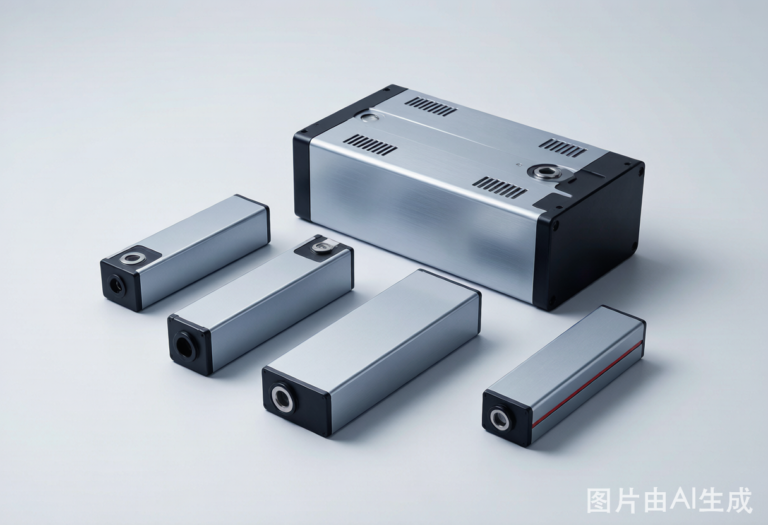
Cylindrical 18650 and 21700 cells dominate portable and high-C tools thanks to mature supply and easy thermal escape. Prismatic LiFePO4 cells win stationary and motive power with high capacity per volume and simple series strings. Pouch cells offer the thinnest form factor but need rigid bracing and swelling management. For wholesale, cylindrical is the most liquid market—18650 and 21700 move in the largest volumes and the tightest spreads—while prismatic LFP is the value play for energy-dense stationary banks. A home energy storage system builder usually lands on prismatic LFP for cost per cycle, whereas a drone maker lives or dies on cylindrical NMC’s power density.
MOQ by format and channel
Minimum order quantities scale with how custom the cell is. Commodity 18650/21700 often start near 1,000–5,000 cells; branded prismatic LFP typically 100–500 cells per batch; tailor-made formats can demand 10,000+. Distributors should negotiate a standing monthly commit rather than one-off MOQs—a forecast buys a better price and priority allocation when cell supply tightens. Watch the fine print: some “low MOQ” offers are Grade-B or near-expiry inventory dressed as a deal, and the cheap lot arrives with a test summary for a different model.
Reading a cell quote
A cell quote should state chemistry, format, nominal and cut-off voltage, capacity at a defined C-rate, max continuous and pulse current, internal resistance, cycle life at a stated depth-of-discharge, and the grade. Convert everything to price per watt-hour at the rated condition, not the headline capacity, because a cell rated at a gentle 0.2C looks bigger than one rated at 1C. A battery application solutions buyer should also confirm the cell’s certified test condition matches the intended use, or the number is meaningless. Ask the supplier to stamp the test C-rate on the quote; if they hesitate, the capacity is inflated.
Capacity vs energy: reading the datasheet
Ampere-hours describe charge; watt-hours describe usable energy, and the difference matters when you compare chemistries. A 3.2 V 100 Ah LFP cell holds 320 Wh; a 3.7 V 90 Ah NMC cell holds 333 Wh despite a smaller Ah number. Buyers who compare on Ah alone mis-rank cells. Normalize every quote to Wh at the rated C-rate and the rated depth-of-discharge, then the real cost per mile or per cycle becomes visible—and that is the number your finance team should approve.
C-rate and its effect on usable capacity
A cell’s stated capacity is only valid at the test C-rate, often 0.2C or 0.5C. Pull it at 2C and the delivered capacity drops because of internal resistance and heating. For high-power products—power tools, starters, drones—specify the capacity at your actual discharge rate, not the catalog number. A cell that is perfect at 0.2C can sag badly at 3C, and that sag is what trips your BMS in the field. Always request the discharge curve at your operating C-rate; the curve is the honest spec.
Spot vs contract pricing
Cell prices swing with raw-material and cathode trends. Spot buys are simple but expose you to volatility; annual contracts with volume tiers lock a band and protect margins during shortages. For stable product lines, a contract with a quarterly review is the pragmatic middle. Build a small strategic buffer of certified cells so a two-week supply gap does not stop your line—but don’t overstock, because cells age on the shelf too, and a hoard of last year’s grade becomes tomorrow’s liability.
Testing incoming cells
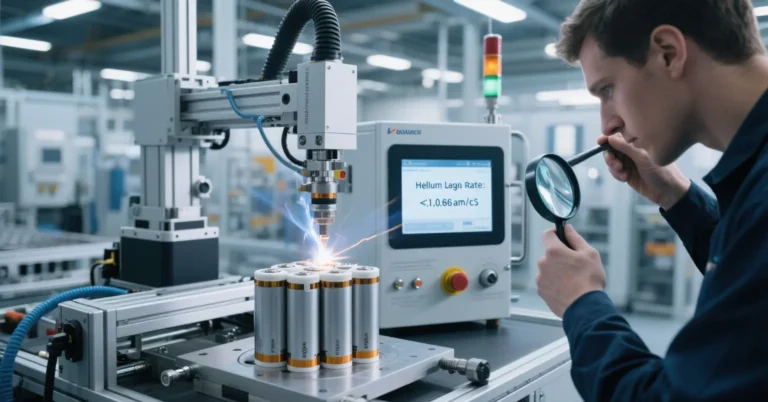
Never trust the label. On arrival, sample-test for capacity, internal resistance and a thermal check under load. A simple rig that discharges a sample to cutoff and logs voltage catches most Grade-B and mislabeled shipments before they reach your line. Keep the test records; they are your evidence if a supplier quietly changes the bin between orders. For buyers exploring alternatives, ask suppliers about sodium-ion battery cells, which trade energy density for lower material cost and strong cold performance in stationary roles.
Building a cell incoming-inspection SOP
Write the inspection into a standing procedure so quality does not depend on whoever is free that week. Sample three cells per lot, grade on capacity (±3% of claim) and internal resistance (±10%), log serials, and reject the lot if any sample fails. Photograph the test setup so results are defensible with the supplier. A disciplined SOP turns cell buying from a gamble into a controlled process, and it gives you leverage: a supplier that knows you test will not ship you Grade-B.
Working capital and inventory strategy
Wholesale cells tie up cash, so match inventory to your build rhythm. Fast-moving commodity formats can be held lean with a contract supplier; slow custom formats should be ordered against firm orders to avoid dead stock. Track shelf aging—cells stored at 30–50% state-of-charge in a cool, dry place hold spec longest. A simple FIFO (first-in-first-out) rule prevents a forgotten pallet from exceeding its retest window and becoming scrap you paid for twice.
Branding, labeling and compliance
If you private-label, confirm the cell manufacturer’s UN38.3 Test Summary names the exact model you are buying, because the summary travels with every shipment you export. CE, RoHS and the relevant IEC/UL marks must trace to the cell, not just the pack you assemble. Mislabeling a cell’s chemistry or capacity on the datasheet is a compliance time bomb at customs, so verify the documentation as carefully as the metal. Keep a compliance dossier per cell model and version-control it; a cell change reopens the question whether your old paperwork still applies.
Common wholesale traps
- “Grade A” with no sorting report—treat as unproven.
- Headline capacity at an unrealistically low C-rate.
- Price per cell instead of per Wh, hiding a smaller actual capacity.
- MOQ that silently bundles older or off-spec inventory.
- No UN38.3 summary for the exact model in the carton.
Frequently asked questions
How much cheaper is Grade B really? Often 10–30% up front, but the hidden cost is uneven aging and warranty claims that erase the saving within a year.
What MOQ should I expect for LFP prismatic? Commonly 100–500 cells per batch for standard sizes; tailor-made formats cost more and demand higher volume.
Should I contract or spot buy? Contract with a quarterly review for stable lines; spot only for prototyping or one-off builds.
How do I verify cells on arrival? Sample-test capacity, internal resistance and a loaded thermal check; keep records to catch silent bin changes.
Where semi-solid and sodium cells fit wholesale
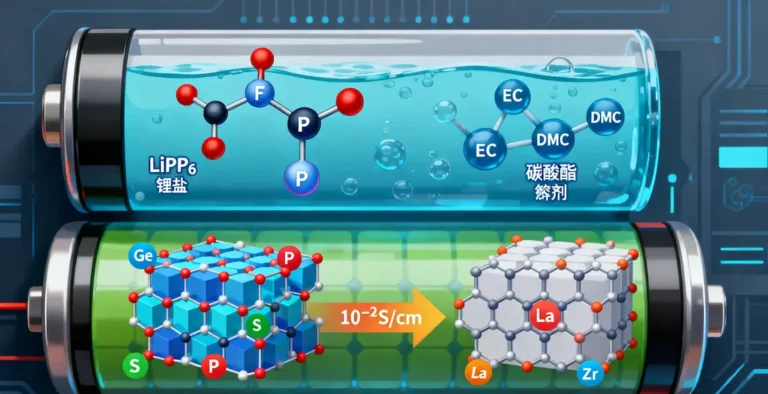
Two chemistries are entering the wholesale market. A semi-solid-state battery offers higher energy density than LFP with better thermal stability than NMC, suited to premium portable gear where space commands a price. A sodium-ion battery—already referenced above—cuts cell cost for large stationary banks where weight is irrelevant. Neither is yet a commodity, so wholesale volumes are smaller and prices less transparent; buy them as a qualified alternative, not a default, and keep the UN38.3 summary version-controlled per chemistry. For a home energy storage system builder, sodium may soon undercut LFP on $/kWh at scale, which is worth a standing inquiry with your supplier rather than a surprise when the market shifts.
Written by Karl at China Battery Technology. Tell us your format, grade and volume and we will quote matched cells with full sorting data—request a quote to start a wholesale conversation.
Related Reading
- custom lithium battery manufacturer
- OEM Lithium Battery Pack: From Prototype to Mass Production
- 48V LiFePO4 Battery Pack Supplier Selection Checklist