A Grade vs B Grade Lithium Cells: How to Verify Quality
A Grade vs B Grade Lithium Cells: How to Verify Quality
When you source cells, the difference between A grade and B grade lithium cells is the difference between a pack that lasts a decade and one that fails in a year. A transparent lithium battery manufacturer grades every cell and documents it; less scrupulous suppliers quietly mix grades to cut cost. Here is what the grades mean and how to verify them.

What “Grade” Actually Measures
Grading is not a single test — it is a statistical pass against the cell datasheet across capacity, internal resistance, voltage, and visual defects.
A Grade
A-grade cells meet 100% of rated capacity, sit within a tight internal-resistance band, and show no swelling, scratches, or terminal damage. They are the only cells reputable pack builders use for OEM programs.
B Grade
B-grade cells fail one or more specs — typically 5-15% under capacity, higher or inconsistent resistance, or cosmetic defects. They are sold at a discount and are acceptable only for low-stakes, cost-first applications with shorter warranties.
How Manufacturers Grade Cells
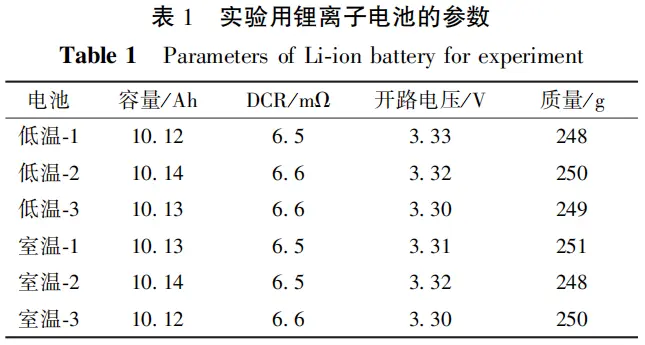
Professional grading uses a formation and grading cycle: full charge, capacity discharge at 0.2C or 0.5C, AC internal-resistance measurement, and OCV stabilisation. Results are logged per cell条码. For volume buyers, battery application solutions teams match cells within a resistance window (e.g. ±3 mΩ) so parallel groups balance.
| Parameter | A grade | B grade |
|---|---|---|
| Capacity vs rated | ≥100% | 85-98% |
| Internal resistance | Tight band | Wider / higher |
| Cycle life | Datasheet spec | Reduced |
| Visual | Clean | Possible marks |
How You Can Verify at Intake
Require the grading report, then spot-check on arrival with a capacity tester and IR meter. A sudden spread in IR across a batch is the clearest sign of B-grade mixed into an A-grade order. Specify cell-matching tolerance in your purchase contract.
Frequently Asked Questions
Is B grade safe? Generally yes for low-rate use, but its shortened life and wider tolerance make it unsuitable for high-rate or safety-critical packs.
Should I ever buy B grade? Only for non-critical, cost-driven products with short warranties and where you have tested the specific batch.
Does grading add cost? Marginally, but matched A-grade cells reduce warranty claims far more than the savings from B grade.
Written by Karl at China Battery Technology. Request a quote.