Lithium Battery for Camping Lantern: Lightweight, Long-Lasting Glow
Lithium Battery for Camping Lantern: Lightweight, Long-Lasting Glow
Camping lanterns live or die by their battery. A heavy lead-acid pack ruins pack weight, and alkaline cells die after a single weekend. Modern rechargeable lanterns use lithium cells that weigh a fraction as much, hold a charge through months of storage, and survive the freeze-thaw of a real campsite. A trusted lithium battery manufacturer can supply the 18650 or pouch cells and the safety circuit that turn a lantern into a dependable light source for backpacking, overlanding, and emergency kits alike.

Why Lanterns Need Lithium
A lantern is an intermittent-load device: bright for an hour at dusk, dim all night, then off. Lithium handles that shallow cycling without memory effect, and its flat discharge curve keeps the LED near full brightness until the cell is nearly empty — unlike alkaline, which dims steadily from the first minute. That means the lantern looks “bright enough” right up to the moment it needs a charge, not an hour before.
Chemistry: Li-ion vs LiFePO4
For small handheld lanterns, standard Li-ion (NMC or NCA) wins on energy density, letting makers hit 200–500 lumen-hours in a palm-sized unit. For lanterns that also charge phones or run as a power bank, LiFePO4 is gaining ground because it tolerates more charge cycles and stays cooler under USB output load, which is exactly when a cheap pack is most likely to swell.
Camping Lantern Battery Comparison
| Attribute | Li-ion | LiFePO4 | Alkaline |
|---|---|---|---|
| Energy density | High | Medium | Low |
| Weight (same runtime) | Low | Low-Med | High |
| Self-discharge / month | <3% | <3% | ~5% |
| USB power-bank use | Good | Better | No |
| Cycles | 500–1000 | 2000–4000 | Single use |
Sizing and Runtime
Match capacity to use. A 10 Wh cell runs a 100-lumen lantern for roughly 80–100 hours on low, or 8–10 hours on high. If you also want phone top-up, spec 20–40 Wh and a regulated 5 V USB output. Look for IPX4 splash resistance, a red “night vision” mode to preserve dark adaptation, and a BMS that protects against over-discharge when the lantern is packed away for months.
Care and Storage
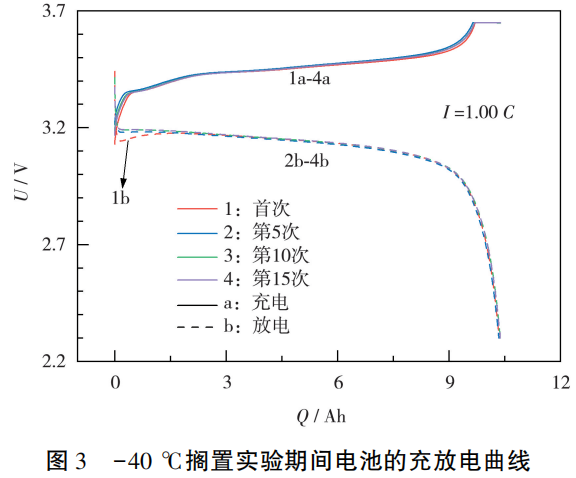
Store lithium lanterns at 40–60% charge if you will not use them for a season — full charge accelerates aging. Keep them dry but not frozen solid; lithium is fine to −10 °C in use, though capacity temporarily drops in deep cold and returns when warmed. Top up every six months of storage so a planned trip never starts with a dead light.
Choosing the Right Supplier
Buy from a manufacturer that publishes cell grade, cycle rating, and a real over-current and over-temp cutoff. Packs without a BMS swell and leak. For a lantern you trust in the backcountry, the certified cell and a short-circuit-proof port are worth the premium over an anonymous bargain.
People Also Ask
Can a lithium lantern charge my phone? Many can — models with a LiFePO4 or protected Li-ion cell and a 5 V USB out double as a small power bank. Check the labeled Wh and USB current before relying on it for a real emergency.
Is lithium safe in freezing campsites? Yes for use down to about −10 °C; capacity dips in the cold but recovers. Avoid charging a frozen cell — let it warm first to protect the pack.
Written by Karl at China Battery Technology. Request a quote.
Related reading: Lithium Battery for Electric Winch: Cranking Power Without the Voltage Drop