Lithium Battery Energy Density: Why It Drives Design
Lithium Battery Energy Density: Why It Drives Design
Energy density is the spec that quietly decides everything else: pack weight, enclosure size, cooling, shipping cost and which applications are even possible. A higher Wh/kg means a lighter pack for the same energy; a higher Wh/L means a smaller one. But chasing density blindly buys cost and safety problems you did not need. This guide explains what energy density really measures, how it cascades into design, and where a real lithium battery manufacturer draws the line.

Two numbers: gravimetric and volumetric
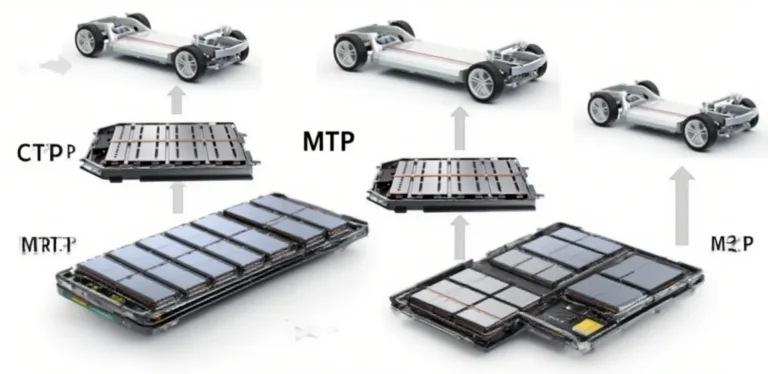
Energy density has two flavors. Gravimetric is Wh per kilogram (how light), and volumetric is Wh per liter (how small). They are not the same: a cell can be light but bulky, or dense by volume but heavy. For a drone, gravimetric wins; for a wall-mounted cabinet, volumetric wins; for a vehicle, both matter and trade against each other. Always ask which density the supplier is quoting and at what level—cell, module or pack—because the pack is what ships and pack density is always lower than cell density once casing, BMS and cooling are added.
Cell-level density by chemistry
LFP sits at roughly 90–160 Wh/kg and 200–350 Wh/L. NMC and NCA reach 150–280 Wh/kg and 350–750 Wh/L. A sodium-ion battery currently lands near 100–160 Wh/kg, below LFP on weight but competitive on cost and cold behavior. A semi-solid-state battery pushes the upper bound, denser than LFP with better safety than NMC, at a premium. The chemistry choice is largely a density-versus-cost-and-safety decision, and density is the axis that frames it.
Why pack density differs from cell density
| Level | LFP Wh/kg | NMC Wh/kg | Loss vs cell |
|---|---|---|---|
| Cell | 90–160 | 150–280 | — |
| Module | 70–130 | 120–230 | ~15–20% |
| Pack | 55–110 | 90–190 | ~30–35% |
The table shows the pack penalty: cooling, structure, BMS and casing strip 30–35% off cell density. A supplier quoting cell-level density on a weight-sensitive bid is misleading you by a third. Always compare finished-pack Wh/kg, because that is the number your product actually carries, and the gap between cell and pack is where many “lightweight” claims quietly die.
How density drives cooling
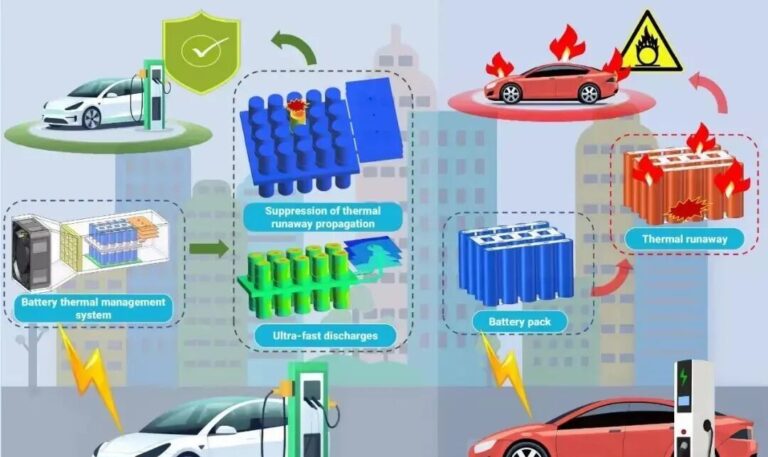
Denser packs cram more energy into less space, which means more heat in a smaller volume and a harder cooling problem. A high-density NMC pack may need liquid cooling where a lower-density LFP pack gets by with passive or forced air. Cooling hardware then eats back some of the density gain and adds weight and cost. For a battery application solutions program, the thermal design is dictated by the density you choose, so density and cooling must be specified together, not in separate meetings.
Density versus safety margin
Higher density often means tighter energy packing and, for some chemistries, a narrower safety window. NMC’s density advantage comes with more thermal sensitivity than LFP, so the enclosure and BMS margins must compensate. This is the core trade of 2026 procurement: pay for density and you usually pay for safety engineering too. A buyer who specs maximum density without budgeting the safety margin ends up with a pack that passes the lab but worries the certifier. Density is never free; it is pre-paid in cooling and protection.
Density and shipping cost
Air and sea freight are partly priced by weight and volume, so a denser pack ships cheaper per kWh. For a product exported in volume, the Wh/kg and Wh/L directly hit landed cost. A heavier LFP pack can cost more to move than a lighter NMC pack even if the cell is cheaper, flipping the total-cost math at scale. A home energy storage system is usually freighted by volume in a container, so volumetric density and stackability can matter more than weight—yet another reason to specify the right density axis for the duty.
When density does NOT matter
For fixed, weight-irrelevant uses—floor-mounted stationary banks, grid buffers, unheated outbuildings—density is nearly irrelevant and paying for it is waste. There, LFP’s lower cost and long life beat NMC’s density, and sodium’s abundance may beat both on $/kWh. The disciplined buyer asks “does anything move or is space tight?” before paying the density premium. Most stationary RFQs we see over-specify density and under-specify cycle life, and the result is an expensive pack solving a problem the application does not have.
Reading a density datasheet
When the density figure arrives, read it like a skeptic. Confirm whether it is gravimetric or volumetric, and at what level (cell, module, pack). Check that it is a true Wh/kg or Wh/L, not a marketing volume number that hides weight. Verify the test conditions—temperature, C-rate, end-of-life threshold—because density fades with age just like capacity. A datasheet that answers all four questions with conditions is a buyable spec; one full of a single headline number and no context is a slide. The discipline of reading for the fine print separates a good density buy from an expensive lesson.
Density trade-off worksheet
Turn the trade into a one-page worksheet before talking to suppliers. List your weight budget and space budget, your C-rate, your operating temperature, and your target cycle life and cost per kWh. Then score each chemistry: does its density actually relieve your constraint, and at what safety and price cost? A drone with a 200 g budget lives or dies on gravimetric density, so NMC or semi-solid earns the premium; a cabinet with free wall space dies on none of it, so LFP or sodium wins on cost. The worksheet makes the density decision a number, not a slogan, and prevents paying for density you cannot use.
Total cost of density
Model density as total cost, not sticker. Take the cell $/Wh, add the cooling and enclosure the density forces, add the safety engineering and certification margin, add the freight saving from lower weight or volume, and compare per delivered kWh at your pack level. A premium dense cell can win where it removes a cooling loop or fits a cavity that an alternative cannot, and lose where those benefits are absent. The rational buyer prices the whole chain, because density’s value is entirely contextual—it is the application that decides whether the extra Wh/kg is worth the extra dollars, not the spec sheet.
Density and the packaging penalty
Beyond cooling and casing, density changes how the pack is packaged and handled. A dense pack concentrates energy, so transport regulations cap state-of-charge for air freight and require specific UN markings and packaging that can survive crush and short-circuit tests. A low-density LFP pack may ship under more forgiving rules and with less protective mass, lowering logistics cost and complexity. For products exported in volume, these packaging and compliance differences can outweigh small cell-price gaps, so density belongs in the logistics review, not just the engineering one. Buyers who ignore the packaging penalty often discover the cheaper dense pack costs more to clear customs and fly than the heavier one that ships as routine freight, and that gap repeats on every shipment.
Density trends buyers should track
Density is not static; it moves with chemistry and manufacturing yield year to year. Semi-solid and improved NMC cathodes push pack density up while LFP and sodium hold the cost and safety line, so the right density for your product in 2026 may shift by 2028. Track the trend as a roadmap item and requalify only when the gain is durable and large enough to justify the cert and BMS rework. The buyers who win are the ones who adopted a higher-density option early in the right niche, not the ones who chased every annual gain and never stabilized a design. Set a density target with a review date, and let the data, not the press release, trigger the next change, because churn is itself a cost that erodes the density savings you were chasing.
Density and warranty risk
High-density packs concentrate failure energy, so the warranty and the safety case must scale with the density you choose. A dense NMC pack that fails releases more energy than an LFP pack of equal kWh, which raises the enclosure and separation requirements and the insurance conversation. Do not let a density target quietly outrun the safety margin the application can absorb. If the enclosure cannot contain the worst case, the density is too high for the duty. Write the maximum pack energy density into the safety spec alongside the thermal and separation requirements, so the density decision is reviewed by the same people who own the failure consequences, not chosen in isolation by the weight committee that never sees the failure mode.
Frequently asked questions
Cell or pack density—which matters? Pack density; cooling and casing strip 30–35% off cell figures, and the pack is what ships.
Does higher density mean safer? Not necessarily—NMC’s density comes with a narrower safety window than LFP, needing more protection.
When can I ignore density? For fixed, weight-irrelevant stationary banks where cost and cycle life dominate.
Why quote both Wh/kg and Wh/L? A pack can be light but bulky, or small but heavy; the duty decides which axis matters.
Written by Karl at China Battery Technology. Share your weight and space budget and we will size the density—request a quote for a density-versus-cost design.
Related Reading
- battery application solutions hub
- NMC vs LFP Cost and Safety Trade-offs in 2026
- Solid State vs Lithium Ion: Where the Technology Stands