
Sodium Ion Battery Hard Carbon Anode Explained
The sodium ion battery hard carbon anode stores sodium where graphite cannot. Understand the material that makes sodium cells viable.
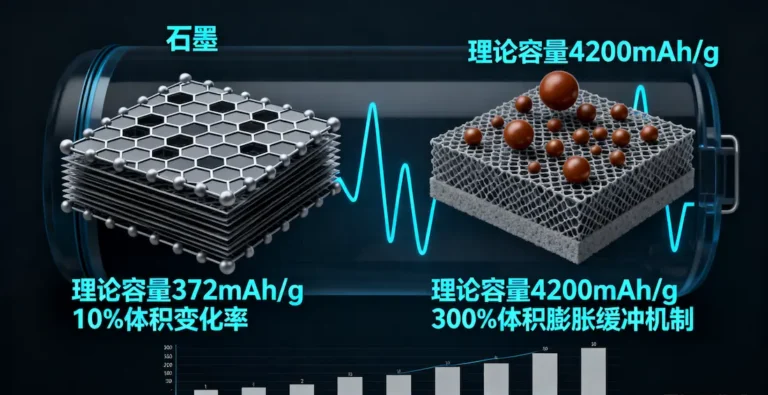
The sodium ion battery hard carbon anode stores sodium where graphite cannot. Understand the material that makes sodium cells viable.
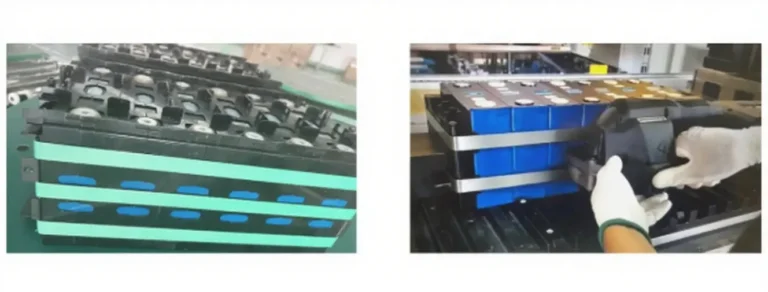
Sodium-ion battery market forecast shows strong growth in stationary storage. See the demand drivers and segment outlook.
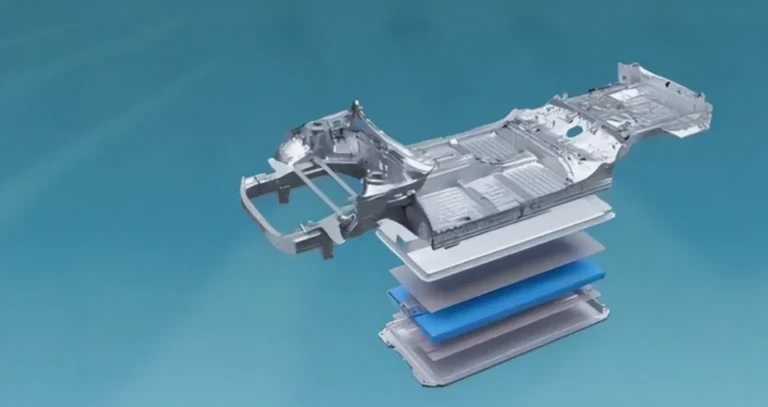
Sodium-ion battery manufacturing reuses Li-ion lines, easing scale-up. See the process steps and why capex is lower.
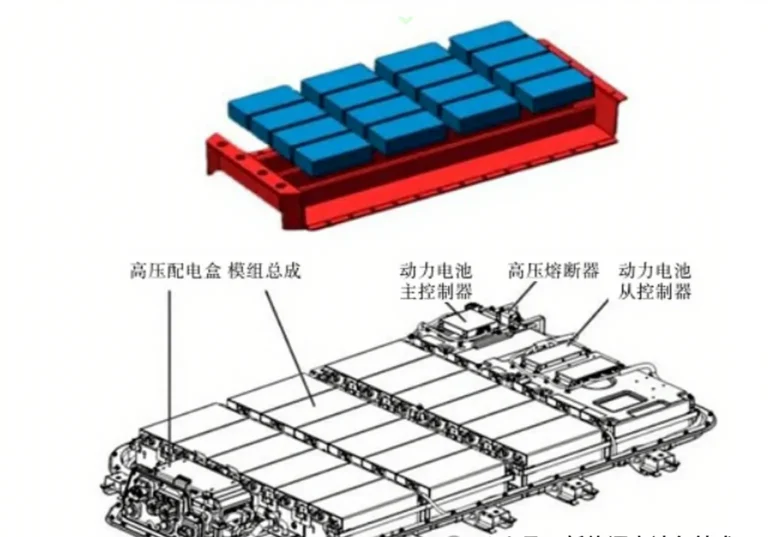
Sodium-ion battery safety is strong: no cobalt, stable supply, lower thermal risk. See how it compares and what still requires care.
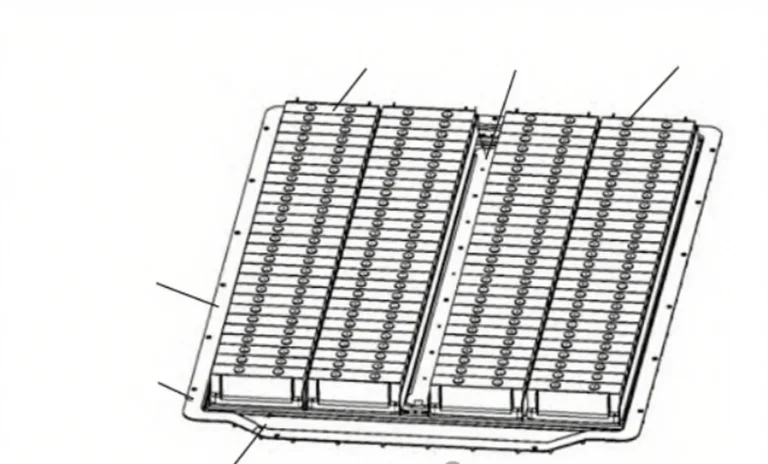
Sodium-ion battery for telecom backup cuts cost in outdoor cabinets. See why operators are piloting sodium for 48V sites.
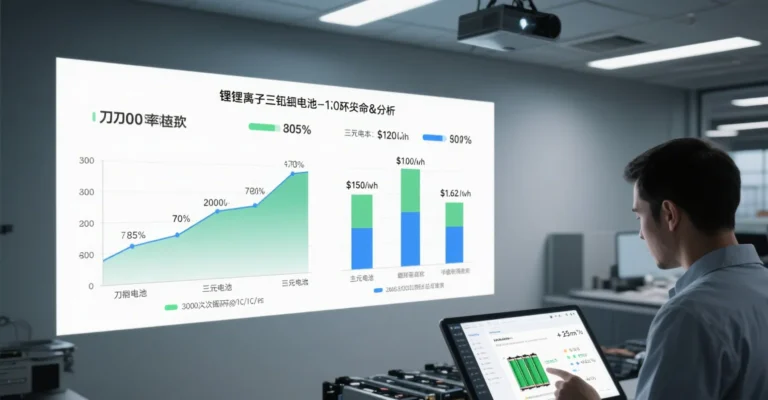
Sodium-ion battery cathode materials include layered oxides and polyanions. See the trade-offs in energy, cost, and life.
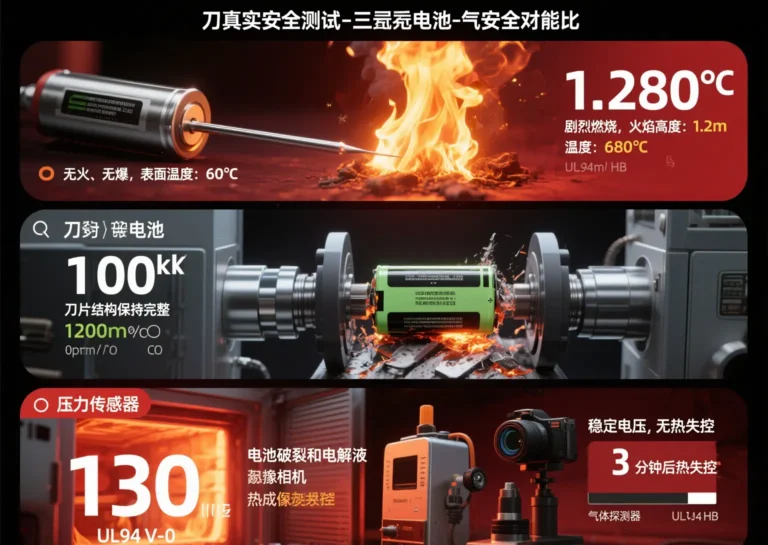
Sodium-ion battery cycle life typically reaches 2,000-4,000 cycles. See how it compares with LFP and what affects longevity.

Sodium-sulfur vs sodium-ion battery: NaS runs hot for grid; sodium-ion is ambient and safer. Understand the difference before specifying.

Sodium-ion home battery backup offers low cost and cold resilience for essentials. See sizing and how it compares with LFP storage.
Sodium-ion battery companies in China lead global deployment. See the key players and what buyers should verify before sourcing.