Prismatic vs Cylindrical vs Pouch Cells: A Buyer’s Comparison
Prismatic vs cylindrical vs pouch compared: assembly cost, thermal and safety behavior, density table, mechanical integration, aging, failure modes, total-cost model.

Prismatic vs cylindrical vs pouch compared: assembly cost, thermal and safety behavior, density table, mechanical integration, aging, failure modes, total-cost model.
SoC vs SoH explained: what each metric measures, how a lithium BMS estimates SoC and derives SoH, accuracy by method, warranty and telemetry, a procurement checklist.

Cycle life decoded: cycle and DoD defined, 2000 vs 6000 TCO table, what kills life, chemistry comparison, maximizing life, cycle-based warranty, second-life after rated cycles.
C-rate explained: definition, capacity vs rate, worked load examples table, peak vs continuous, BMS/thermal effects, C-rate by chemistry, common sizing mistakes.
What a BMS does, centralized vs distributed, communication protocols (CAN/RS485/SMBus), active vs passive balancing, SOH telemetry, failure modes, selection scorecard, in-house vs module.
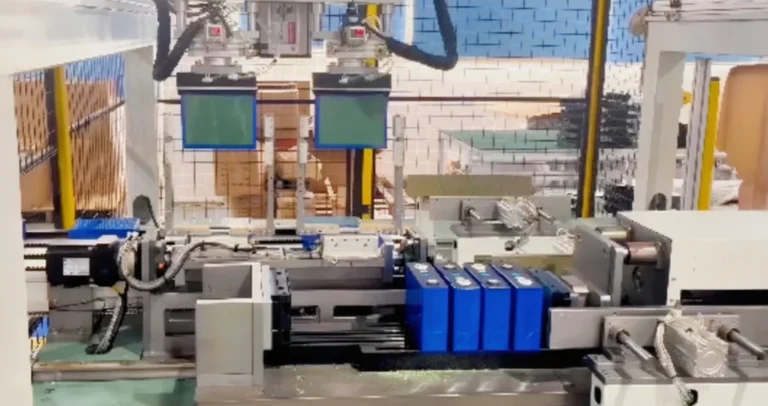
Semi-solid-state explained: what it is, vs liquid lithium-ion and full solid-state, manufacturing readiness, use-case table, premium math, BMS/enclosure integration, buyer questions, roadmap.
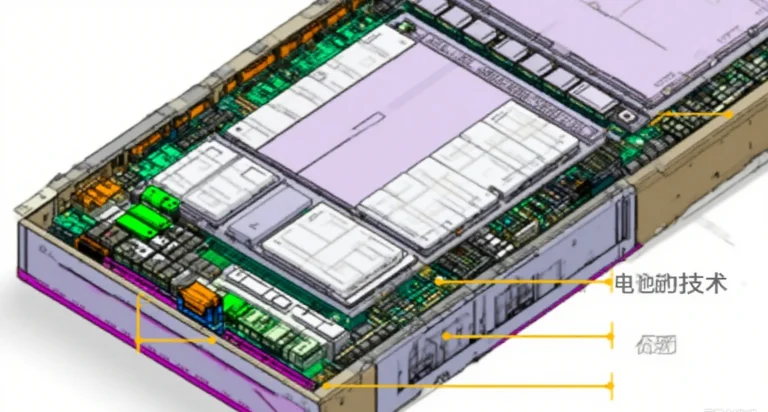
Sodium-ion vs lithium-ion head-to-head: chemistry, energy density table, cold performance, cost/abundance, safety, cycle life, best and worst use cases, vs semi-solid, cert notes.
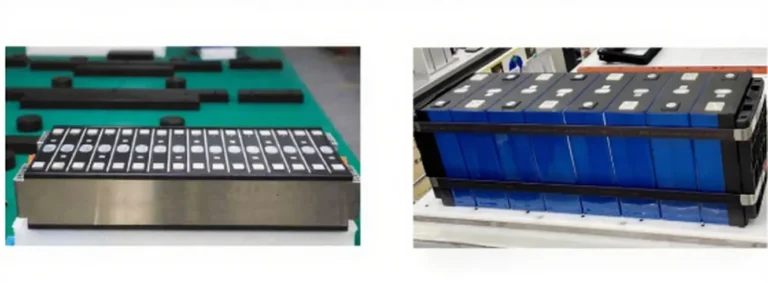
Lithium vs lead-acid TCO: sticker illusion, usable capacity multiplier, maintenance/labor, cycle life table, weight/space, opportunity charging, safety, when lead-acid wins, sodium/semi-solid outlook.
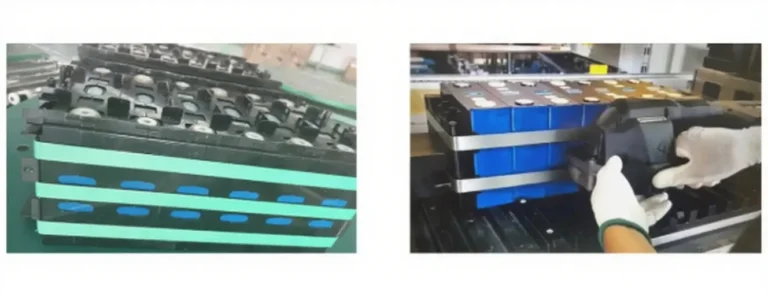
Why in-house BMS engineering matters: what it looks like, questions that expose fake claims, matching to chemistry/load, comms integration, SOH telemetry, semi-solid/sodium BMS, verification steps.
Factory-direct buying: what it saves, reading a quote, lead-time realities, MOQ negotiation, pricing levers, red flags, when it is the wrong call, semi-solid/sodium roadmap.