Lithium Battery for Vending Machine: Uptime in Remote Spots
Lithium Battery for Vending Machine: Uptime in Remote Spots
A vending machine in a city lobby is a convenience; a vending machine at a remote highway stop, a mine site, or a mountain lodge is infrastructure. When it goes dark, revenue stops and a technician drives two hours to reboot it. The battery behind that machine is what keeps it earning through a power cut, and in a remote spot the battery is not a backup — it is the difference between a profitable placement and a liability. Specifying this correctly starts with a lithium battery manufacturer who understands intermittent-grid and off-grid duty rather than a generic pack vendor.
The cost of downtime in a remote machine
Downtime on a remote machine is expensive in a way a lobby machine is not. The lost sale is the smallest part; the truck roll, the technician’s day, and the spoiled refrigerated stock are the real hits. A single compressor-full of warm drinks can exceed the cost of the entire battery. That math is why a remote operator should over-specify reliability rather than shave pennies on cells. The battery is the cheapest insurance on the whole placement, yet it is the component most often cheapened — exactly backwards from the risk it carries.
Why lithium beats lead-acid for vending
A vending machine draws a steady control load (the card reader, the controller, the display) plus a large compressor surge when it cools a sold bottle. Lead-acid hates that surge and hates partial state; it sulphates if it sits half-charged through a grid outage and recovers slowly. LFP takes the surge, accepts partial charging without damage, and delivers 2,000–4,000 cycles. For an operator running a battery application solutions fleet across scattered sites, LFP’s reliability and long life convert directly into fewer truck rolls, which is the dominant cost in remote vending.
Sizing for the worst week
Size the battery for the worst realistic scenario, not the average. A refrigerated machine drawing 80 W average with a 600 W compressor surge, sited where the grid drops for two days, needs roughly 4 kWh of usable capacity to ride through, plus margin. If the site also has solar or a generator, the bank shrinks; if it is pure off-grid, it grows. The table below shows typical autonomy needs:
| Machine type | Avg draw | 2-day bank | 5-day bank |
|---|---|---|---|
| Snack (ambient) | 20 W | 1 kWh | 2.4 kWh |
| Cooled drink | 80 W | 4 kWh | 9.6 kWh |
| Frozen ice cream | 150 W | 7.5 kWh | 18 kWh |
The frozen case is the eye-opener: keeping product at -18 °C through a five-day outage needs a serious bank and usually a generator or solar assist. Size honestly, because the alternative is a melted inventory claim that dwarfs the battery cost many times over.
The payment-system and compressor load profile
Two loads dominate. The payment system (card reader, controller, radio) is steady but must never drop, or the machine goes “out of service” even with product inside. The compressor is intermittent and surge-heavy. The BMS and inverter must prioritize the control load and ride through the compressor inrush without tripping. Specify the peak C-rate for the compressor separately, and make sure the inverter’s surge rating clears it with margin — a vending machine that reboots its own controller on every compressor start is a machine that looks broken to customers.
BMS and remote telemetry
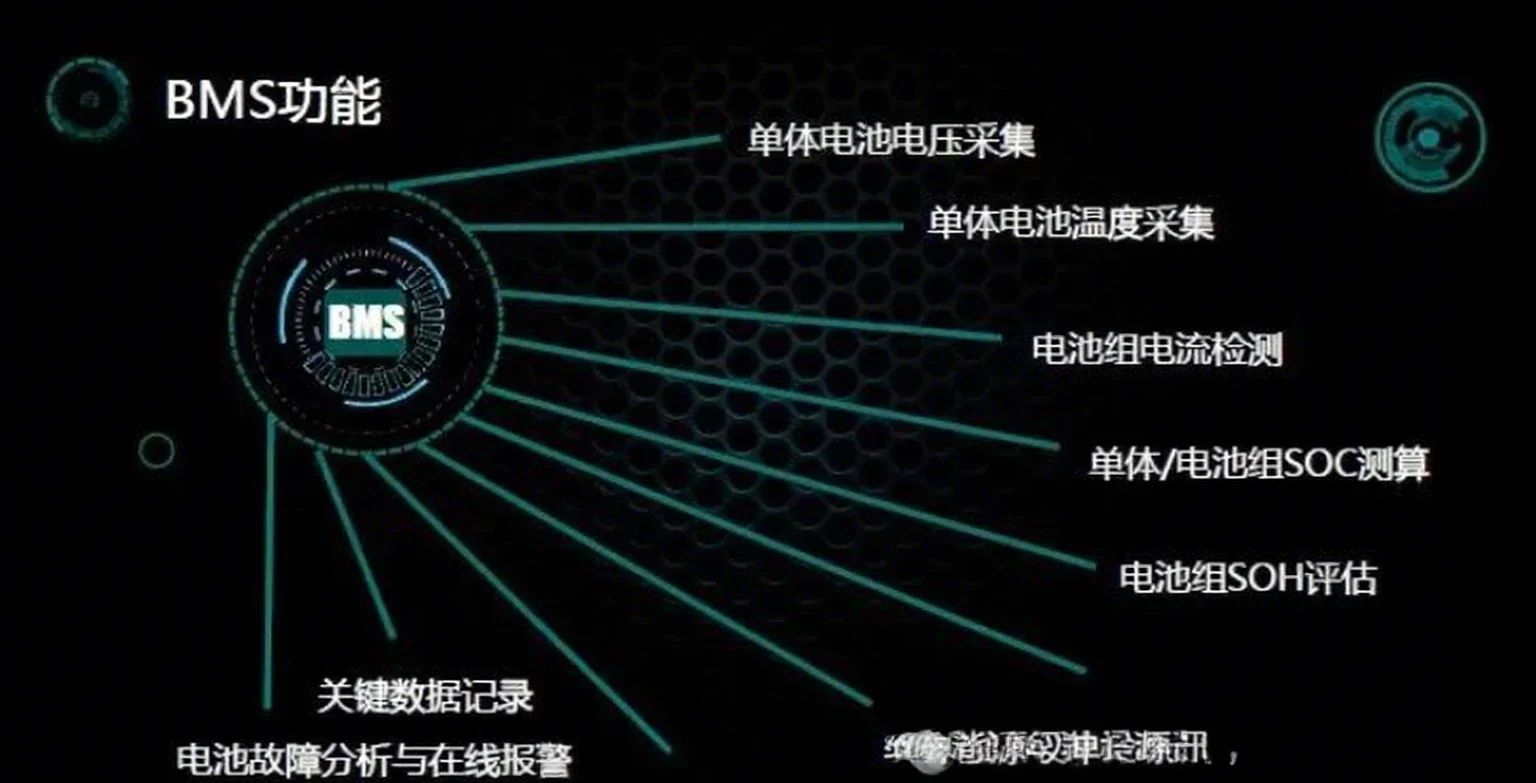
For a remote fleet, the BMS is your eyes. It should report state-of-charge, per-cell voltage, temperature, and the number of grid-outage events to a central dashboard over cellular or LoRa. That data tells you which machine is about to go dark before it does, so you dispatch a service only when needed. A home energy storage system is watched by a homeowner; a vending bank is watched by an operator who wants to know at 9 am that the site at mile 80 will fail by noon. Insist on telemetry as a first-class requirement, not a bolt-on.
Temperature: unheated kiosks and kiosk enclosures
Remote machines sit in unheated huts, metal kiosks, and desert or alpine sites. The battery must charge on a cold morning without plating and survive a hot afternoon without accelerated aging. That means a low-temperature charge cutoff, a temperature-rated enclosure, and an operating band the cells actually meet. If the machine is outdoors in a hot climate, give the battery its own insulated, shaded compartment away from the compressor’s heat exhaust, because cooking the bank next to the condenser is the fastest way to halve its life.
Cycle life and the service interval
A vending battery cycles daily if it rides grid outages or runs off-grid, so 2,000–4,000 LFP cycles is three to eleven years of service. Lead-acid would need replacement every year or two in the same duty, each replacement a truck roll. The life extension alone often pays for the lithium premium, before you count the avoided spoilage and the uptime. Ask for cycle life at your real depth-of-discharge and temperature, and put a cycle-based warranty in the purchase order so the supplier stands behind the number in your climate, not a lab’s.
Chemistry options: sodium and semi-solid
For a weight-irrelevant roadside kiosk, a sodium-ion battery is worth evaluating: cost per kWh is the buyer’s main lever, and sodium’s lower material cost plus cold tolerance suit an unattended outdoor bank. A semi-solid-state battery is the wrong call here — its density premium buys nothing when the kiosk has room, and its higher cost hurts a margin-sensitive placement. Pilot sodium on a non-critical site, confirm the aging curve, then expand; keep LFP as the proven default until the field data deepens.
A procurement scorecard for vending banks
| Criterion | Requirement |
|---|---|
| Autonomy | Covers your worst outage window |
| Compressor surge | Inverter peak clears it with margin |
| Telemetry | SoC + outage count to dashboard |
| Temp band | Cold cutoff + site-max rating |
| Cycle life | ≥2000 cycles, warranted @ DoD |
| Enclosure | Insulated, shaded from condenser |
Score every bid against this and the field collapses to the serious vendors. The one that passes all six is the cheaper machine over its life; the cheap pack that fails three rows will cost you a spoiled inventory and a technician’s day, which no cell saving offsets.
Solar or generator assist for true off-grid
For sites with no reliable grid, pair the battery with a solar panel or a small generator so the bank is not the only energy source. A 200–400 W panel can carry the average draw and only dips into the bank on the worst days, extending battery life by keeping it nearer full. A generator should be sized to recharge the bank in a few hours, not run continuously. The control logic must be LFP-aware and respect the cold cutoff. The goal is a site that runs for weeks unattended, not one that needs a weekly service visit — which is the whole point of placing a machine remotely rather than in a staffed location where a power blink is someone else’s problem.
Acceptance testing at install
Test the bank before the machine goes live: confirm it carries the full compressor surge without tripping, verify autonomy against your worst-case window, and check that telemetry reaches the dashboard. A machine that reboots its controller on every compressor start is a machine customers treat as broken, and you will not see that failure from the depot without a load test. Spend the half hour at install; it prevents a two-hour drive later, and it catches the one defective BMS in a batch before it is buried in a roadside kiosk two counties away.
Second-life and replacement planning
At end of rated life an LFP vending bank still holds 70–80% capacity, enough for a lower-throughput site or a spare pool. Plan the swap during a scheduled service, not an emergency, using the BMS cycle count as the trigger rather than a calendar guess. Document each bank’s history so the removed unit has resale or recycling value. A replacement planned from telemetry data is a cheap visit; a replacement forced by a dead machine on a remote site is an expensive, revenue-losing emergency that also spoils the stock you were trying to protect in the first place.
Frequently asked questions
How big a battery does a remote cooler need? Roughly 4 kWh of usable for a two-day ride-through on a chilled drink machine; more for frozen product or longer outages.
Will the card reader stay up during an outage? Only if the BMS prioritizes the control load and the inverter rides the compressor surge — specify both.
Is sodium viable for vending? For weight-irrelevant kiosks it is cost-attractive; pilot it, but keep LFP as the proven default for now.
How do I know a machine is failing? Remote BMS telemetry showing falling state-of-charge or rising outage count is your early warning.
Written by Karl at China Battery Technology. Give us your machine type, outage history and site climate and we will size the bank — request a quote for an uptime-first pack.
Related Reading
- custom lithium battery manufacturer
- Lithium Battery for Surveillance and CCTV: Always-On Security
- Lithium Battery for Railway and Transit: Signaling Power