Sodium-Ion Battery for Residential Backup Power
Sodium-Ion Battery for Residential Backup Power
Homeowners want backup that rides through a blackout without a generator’s noise, fuel, or maintenance. Sodium ion battery technology is a strong fit for residential backup because a house has space, weight is irrelevant, and sodium’s low cost and cold tolerance matter more than squeezing out the last watt-hour per kilo.
Why Sodium for the Home
Residential backup is a few hours of lights, fridge, router, and a heater or pump — low and slow, not a power sprint. Sodium-ion cells use abundant iron, manganese, and aluminum instead of lithium, nickel, and cobalt, so the bill of materials stays cheap and supply-secure. For a basement or garage cabinet, that cost edge compounds across the whole system, and it removes exposure to the price swings that have hit lithium and cobalt markets.
Cold-Weather Advantage
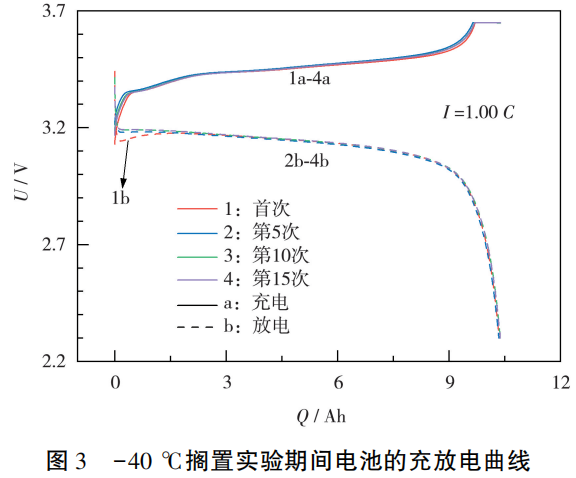
Unlike many lithium cells, sodium-ion keeps most of its capacity at −20 °C without heaters, which is exactly when winter storms knock out the grid. That removes a failure mode — a frozen battery that will not discharge — that plagues some LFP installs in cold climates, and it means one less active component to fail during the event you bought the system for.
Residential Backup Comparison
| Attribute | Sodium-Ion | LFP (LiFePO4) |
|---|---|---|
| Material cost | Lower | Medium |
| Cold performance | Excellent | Needs heat |
| Energy density | Low–Medium | Medium |
| Safety | High | High |
| Best use | Backup / bulk | Compact / daily |
Cost Over a 10-Year Window
Backup systems are rarely cycled hard, so calendar life and capital cost dominate the math more than cycle count. Sodium’s cheaper cells lower the upfront bill, and because it tolerates partial state of charge without the sulfation that ages lead-acid, a sodium pack often still has usable capacity a decade in. Factor in avoided generator fuel and service, and many homeowners reach payback during the second or third major outage.
Installation and Safety
Mount the cabinet on a non-combustible wall with clearance for airflow, and keep it above the flood line in a basement. Sodium’s higher thermal-runaway threshold and lack of dendritic lithium simplify local code compliance — many inspectors treat it like a standard stationary storage enclosure. Use listed conduit, a dedicated breaker, and an inverter with certified anti-islanding so the system cannot back-feed a dead grid and endanger line workers.
Matching Inverter and Loads
List the essential loads and their starting watts, then size the inverter for the largest simultaneous start — usually a well pump or sump. Put those loads on a backed-up sub-panel so a modest battery covers the critical draw instead of the whole house. A hybrid inverter that auto-transfers on grid loss keeps the lights on within milliseconds and can later accept solar without rewiring.
Adding Solar Later
Many homeowners start with backup only, then add panels once they trust the system. Sodium’s tolerance of partial state of charge means the pack works fine whether or not solar is attached, so there is no pressure to finish the project in one season. When you do add array, size it to refill the battery in a single good day; the inverter already knows how to blend grid, solar, and storage automatically.
Monitoring and Maintenance
A basic app shows state-of-charge, health, and last outage so you know the system is ready before the next storm. Check terminals and enclosure seals twice a year, keep the cabinet clear of stored boxes, and run a planned discharge test annually to confirm capacity. Because sodium needs no equalization or watering, the maintenance list is short — a real change from the lead-acid banks it replaces.
People Also Ask
Is sodium-ion safe indoors? Yes — it has a higher thermal-runaway threshold and no dendritic lithium, which simplifies home enclosure rules.
Should I still buy lithium? If wall space is tight or you cycle daily for self-consumption, LFP’s density wins; for occasional backup, sodium’s price is hard to beat.
Written by Karl at China Battery Technology. Request a quote.