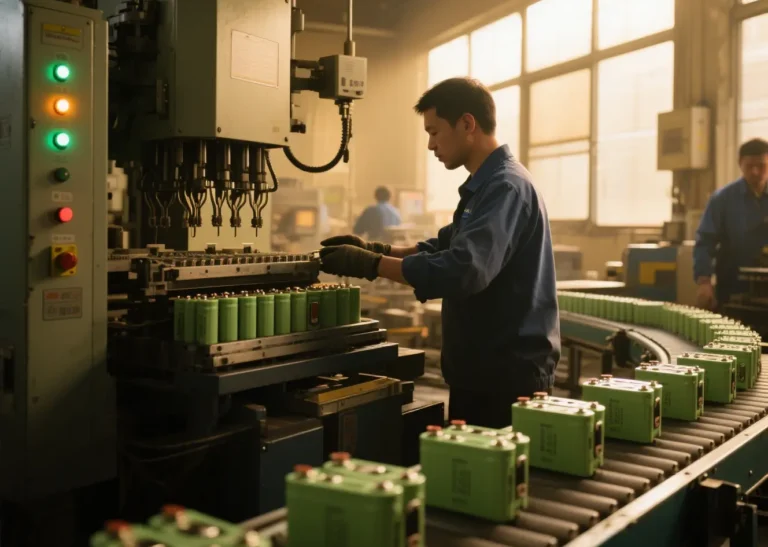
Lithium Battery for Automated Guided Vehicles: Powering the Autonomous Warehouse
Lithium Battery for Automated Guided Vehicles: Powering the Autonomous Warehouse
Modern warehouses and factories move goods with fleets of automated guided vehicles (AGVs) and autonomous mobile robots (AMRs) that work in continuous shifts. These robots cannot afford a battery that slows them down or needs daily watering. A trusted lithium battery manufacturer supplies the high-cycle, fast-charging cells and fleet BMS that keep AGVs running with opportunity charging instead of battery swaps.
Why AGVs Suit Lithium
AGVs draw a steady propulsion current plus sharp peaks when accelerating or lifting a pallet, then sit idle at a charger between tasks. Lithium cells accept high charge currents during those idle minutes, so a short top-up between missions often replaces a full charge. Lead-acid cannot absorb energy that fast, which is why legacy fleets lose hours to charging and equalization.
Chemistry: LiFePO4 Is the Default
For indoor material handling, lithium iron phosphate (LiFePO4) is preferred because it is thermally stable, long-lived, and tolerant of partial-state-of-charge cycling. An AGV pack rated for 3000–6000 cycles outlasts the robot platform itself, and the flat discharge curve keeps the drive motors at full torque until the pack is nearly empty.
Sizing an AGV Pack
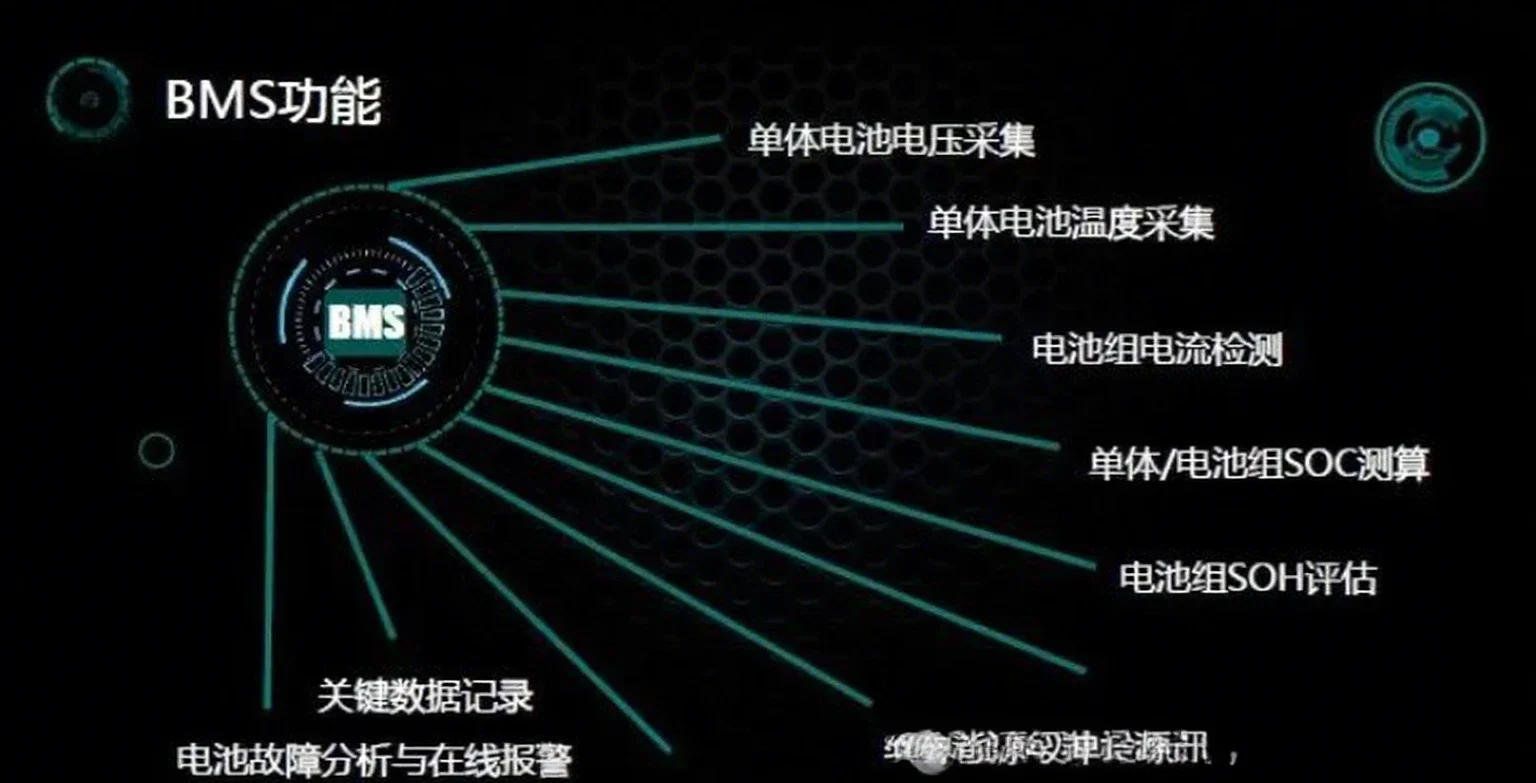
Size the battery to the worst-case duty: loaded traverse, ramp climb, and lift motor surge, plus a safety margin for cold aisles. Specify an operating range of 0 °C to +45 °C for the cabin, IP54 protection against dust, and a BMS that reports state-of-charge and health over CAN bus to the fleet manager. Built-in contactors and cell-level fusing protect against shorts during 24/7 duty.
Charging Strategy
Opportunity charging at pick stations and along the route keeps a small pack topped up, eliminating dedicated charging bays and spare batteries. A 48 V or 80 V common platform simplifies spares across the fleet. The BMS balances cells automatically, so capacity stays even across the whole robot population.
AGV Battery Comparison
| Attribute | LiFePO4 | Lead-Acid | NMC |
|---|---|---|---|
| Cycle life | 3000–6000 | 300–500 | 1000–2000 |
| Fast-charge | Good | Poor | Very good |
| Maintenance | None | Watering | Low |
| Safety indoor | High | Medium | Medium |
| Weight | ~60% less | Base | ~65% less |
People Also Ask
Can lithium replace lead-acid in an existing AGV? Yes, with a BMS and charger check. LiFePO4 needs a different charge profile, so confirm the charger supports lithium or add a standalone regulator.
How long does an AGV lithium battery last? Typically 5–8 years in multi-shift service, versus 1–2 years for lead-acid, because shallow cycling preserves capacity.
Fleet Management and Total Cost of Ownership
With opportunity charging, the battery rarely hits full or empty, so the fleet manager sees a tight state-of-health band across all robots. That visibility lets maintenance be scheduled by condition instead of a fixed calendar, cutting unplanned downtime. On total cost, the higher upfront price of lithium is recovered in 2–3 years through removed watering labor, fewer charger bays, and three to four times longer pack life. Factor in the floor space freed by retiring equalization rooms and the business case strengthens further.
Installation and Safety
Mount the pack in the robot’s protected bay, route the CAN bus to the controller, and keep the charge contacts clean at the docking station. Train staff that lithium needs no acid handling, but the BMS must stay powered for cell balancing. A qualified manufacturer supplies the enclosure, connectors, and documentation needed for CE or UL recognition on the robot platform.
Choosing a Supplier
Ask for cycle-life data at your real depth of discharge, not a catalog best case, and for the BMS protocol your fleet software speaks. The right partner delivers matched cells, a sealed pack, and spare modules so a single failed unit does not ground a vehicle. Confirm the warranty covers multi-shift duty and that replacement is a field swap, not a factory return.
Written by Karl at China Battery Technology. Request a quote.