Home Energy Storage for Farm and Ranch: Energy Independence Off-Grid
Home Energy Storage for Farm and Ranch: Energy Independence Off-Grid
Rural properties run wells, livestock heaters, shop tools, and gate openers far from reliable grid or at the end of a long, noisy feeder. A home energy storage system — paired with solar or a backup generator — turns a farm or ranch into a resilient, lower-cost operation that rides through outages and avoids diesel haul trips.
Why Farms Need Storage
Agricultural loads are bursty: a pump motor surges on start, a milking parlor draws steady current at dawn, and a freezer must never lose power. A battery absorbs those surges, caps the peak the utility sees, and carries essential loads through a grid drop. For off-grid ranches, storage is the difference between a working well and a dry trough.
Sizing for Pumps and Equipment
Start with the largest single motor and its locked-rotor surge, then add the continuous essential loads for the autonomy you need (often 8–24 hours). A 10–30 kWh all-in-one unit covers most hobby farms; larger operations scale to 50–100 kWh or more. Specify a pure-sine inverter, farm-rated enclosures, and low-temperature tolerance if batteries sit in an unheated barn.
Solar Plus Storage
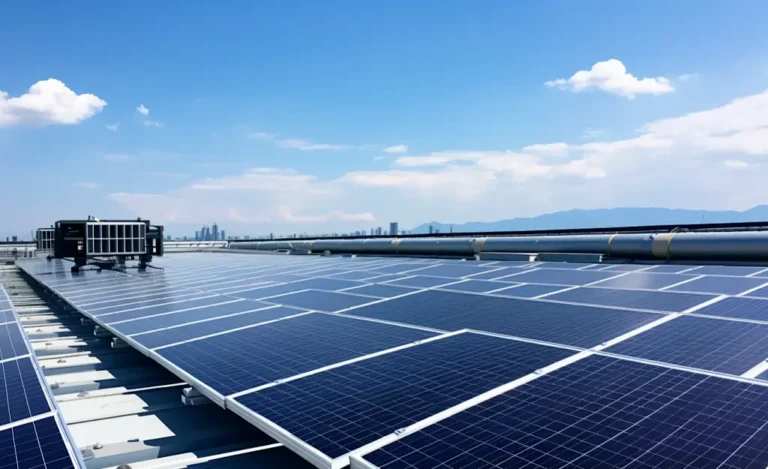
Mount PV over the equipment shed or along a fence line and store midday excess instead of exporting it cheaply. The battery then runs evening milking, night security lighting, and a freezer through the peak rate window. A generator can act as the bulk charger on long cloudy stretches, with the battery handling the sharp, frequent cycling.
Farm Storage Comparison
| Use case | Typical size | Primary benefit |
|---|---|---|
| Well / pump backup | 10–20 kWh | Water security |
| Shop + tools | 15–30 kWh | Peak shaving |
| Off-grid cabin | 20–60 kWh | Full independence |
| Solar self-use | 10–40 kWh | More on-site solar |
People Also Ask
Will it run my well pump? Yes if the inverter handles the motor’s start surge; size for locked-rotor amps, not running amps.
Can I add it to existing solar? Most all-in-one systems retrofit behind the meter and work with or without PV.
Generator and Hybrid Tie-In
For ranches with a diesel generator, the battery lets the set run at efficient load instead of idling. The inverter starts the generator only when the battery crosses a low threshold, runs it for a bulk charge, then shuts it down — cutting fuel and noise. In a grid-tied barn, the system can also export stored solar during peaks or shift a time-of-use bill, turning the battery from pure insurance into a daily earner.
Maintenance and Monitoring
An all-in-one farm unit needs almost no service beyond keeping vents clear. Monitor state-of-charge and health from a phone, set low-temperature heating for winter, and test the essential-load panel quarterly by tripping the grid. Because the pack is sealed LiFePO4, there is no watering or equalization — a real change from the old lead-acid bank in the shop.
Getting Started
Begin with a load audit: list every essential motor and its surge, the freezer and heater draw, and the hours of autonomy you want. A vendor can then specify a matched inverter and battery, often as a single cabinet you bolt to the wall. Start with the essentials and expand later — most all-in-one platforms accept parallel battery modules as the herd or the shop grows, so you never over-buy on day one.
Bottom Line
A farm or ranch battery is not a luxury; it is the quiet partner that keeps water flowing, milk cold, and tools running when the grid or the generator does not. Size it to the loads that truly matter, pair it with the solar you already have, and the payback shows up as fewer diesel runs and zero spoiled loads through the next outage.
Written by Karl at China Battery Technology. Request a quote.