Battery for Cordless Power Tools: Choosing the Right Pack
Battery for Cordless Power Tools: Choosing the Right Pack
Professional trades have abandoned cords for good reason: a cordless tool reaches where a cable cannot, and modern cells deliver the torque once reserved for mains power. But the battery is the tool’s weakest link when it is under-spec’d. The right battery application solutions match cell chemistry, discharge rating, and thermal design to the actual load profile of drills, saws, and grinders — not a generic off-the-shelf pack.

What Cordless Tools Actually Demand
A brushless drill motor can pull 20–40 A during a hard screw-driving burst; a circular saw or angle grinder sustains 30–60 A for seconds at a time. That is a high-rate, pulsed load very different from a phone or laptop. Cells must deliver high continuous discharge (often 20–30C rated for the pack) without voltage sag that trips the tool’s protection or cooks the cells. Capacity alone — the amp-hours on the label — tells you runtime, not power.
Chemistry: Why Lithium Won
Nickel-cadmium is obsolete for good; nickel-metal-hydride is heavier and self-discharges faster. Lithium-ion, specifically high-drain 18650 or 21700 cells with nickel-manganese-cobalt or lithium-iron-phosphate chemistry, now dominates. NMC offers the best energy density for lightweight tools; LiFePO4 trades some density for a longer cycle life and cooler operation in hot job-site conditions.
Cordless Tool Battery Comparison
| Attribute | NMC Li-ion | LiFePO4 | NiCd (legacy) |
|---|---|---|---|
| Energy density | High | Medium | Low |
| Peak discharge | Very high | High | Medium |
| Cycle life | 500–1000 | 1500–3000 | 500–1000 |
| Self-discharge | Low | Low | High |
| Weight per Wh | Low | Higher | Highest |
Sizing and Safety
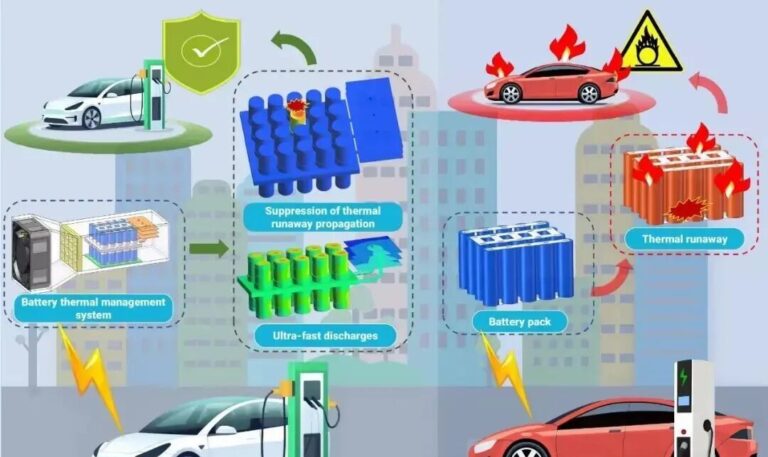
Match the pack voltage to the tool platform (18 V, 20 V max, or 36 V for heavy saws). Size amp-hours to the worst-case duty: a remodeler running a saw all day wants 5–8 Ah; a weekend user is fine at 2–4 Ah. Demand a battery management system with over-current, over-temperature, and cell-balancing protection, plus venting that directs gas away from the user. Store packs at partial charge in a cool, dry place — never in a hot van — to preserve cycle life.
When to Choose a Custom Pack
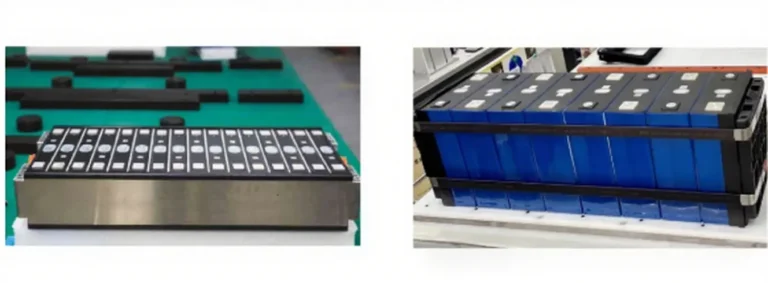
Off-the-shelf packs cover most users, but specialist tools — high-torque impact wrenches, heated jackets, or OEM equipment — sometimes need a custom battery pack with a specific connector, form factor, or communication protocol. A custom pack built around matched, grade-A cells and a certified BMS avoids the premature failures that generic replacements cause, and lets you standardize charging across a fleet of tools.
People Also Ask
Can I use a higher amp-hour battery in the same tool? Yes, if the voltage matches and the pack is from the same platform; a bigger Ah pack simply runs longer and may feel heavier.
Why does my battery die before the fuel gauge says empty? High-drain tools trip protection on voltage sag; a pack with a higher discharge rating or fresher cells fixes the premature cut-out.
Written by Karl at China Battery Technology. Request a quote.