Battery Solutions for Mobile Vet Clinic: Power Where the Animals Are
Battery Solutions for Mobile Vet Clinic: Power Where the Animals Are
A mobile vet clinic brings care to farms, shelters, and remote communities — but only if the lights, exam table, centrifuge, and vaccine fridge all stay powered between stops. Battery application solutions built around a properly sized lithium or sodium bank let a practice run a full day of appointments with no shore power, then recharge overnight at the depot or from rooftop solar.
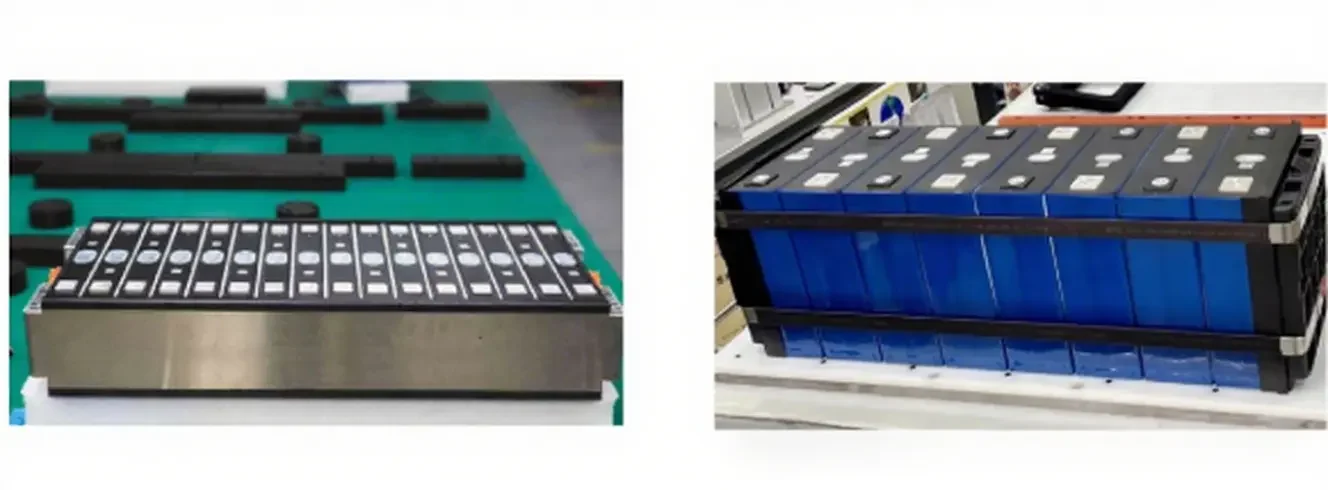
What a Mobile Clinic Actually Draws
The biggest, most unforgiving load is vaccine and medicine refrigeration, which must hold a tight temperature all day. Add an exam light, a laptop or tablet, a scale, a centrifuge burst, and sometimes a small anesthetic or dental unit. Unlike a fixed clinic, the mobile unit has no backup grid — if the battery dips, the appointment stops. Sizing must cover the fridge first, then the variable medical loads on top.
Choosing the Chemistry
Lithium iron phosphate (LFP) is the default for its safety, long cycle life, and steady voltage, which protects sensitive equipment. Sodium-ion is worth a look where cold-weather stops are common, since it keeps capacity in the chill of a winter farm run without heater overhead. Either way, choose a certified inverter-charger and a BMS that reports state-of-charge to the driver’s dashboard.
Mobile Clinic Power Comparison
| Use case | Typical size | Priority load |
|---|---|---|
| Vaccine fridge | 2–5 kWh | Continuous cooling |
| Exam + lighting | 1–2 kWh | Steady draw |
| Centrifuge / tools | 1–3 kWh | Burst current |
| Overnight recharge | Depot or solar | Recovery |
Deployment Tips
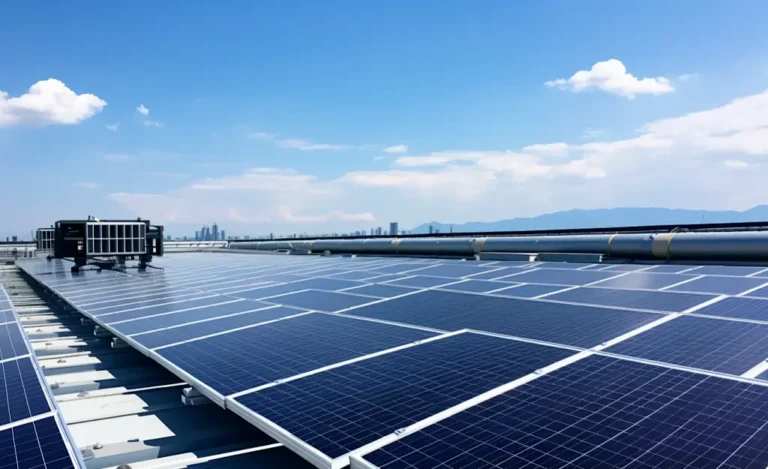
Put the fridge and critical medical gear on a backed-up sub-panel so a small bank covers the loads that matter. Use a low-temperature-rated enclosure, secure the pack against road vibration, and train drivers to glance at state-of-charge between stops. For multi-stop rural days, add a modest solar input on the roof so the bank tops up while parked at a farm.
Cost and Payback
The business case is straightforward: fewer missed appointments from power loss, no generator fuel or noise, and the ability to add sites without wiring grid power to a remote lot. Most practices recover the pack and inverter in one to three seasons of added or protected revenue, faster where shore power is unavailable and a generator would otherwise be the only option. Treat the battery as clinic infrastructure, not a gadget, and size it once, correctly.
Common Mistakes to Avoid
The usual errors are undersizing the fridge load, skipping vibration mounting, and forgetting to train drivers on state-of-charge habits. Another is mixing chemistries across a fleet, which doubles spares and confuses maintenance. Pick one platform, document the daily draw, and revisit sizing after the first cold-season route so the next unit is right the first time.
People Also Ask
Can one battery run the whole day? For most small-animal mobile practices, a 5–10 kWh bank covers exam, lighting, and vaccine cooling between overnight charges.
Is solar worth adding? On rural routes with long parked intervals, a rooftop panel extends autonomy and reduces depot charging stress — a useful cushion, not a replacement.
Which chemistry is safest indoors? LFP is the conservative choice for an enclosed vehicle with people and animals aboard; sodium helps on cold routes.
What about noise and emissions? A battery clinic is silent and fume-free next to the animal, which calms patients and lets you work in a barn or indoor pen without a running generator.
Written by Karl at China Battery Technology. Request a quote.
Related reading: Battery Solutions for Self-Service Kiosks: Reliable Unattended Power