Lithium Battery for Telecom Tower Backup
Lithium Battery for Telecom Tower Backup
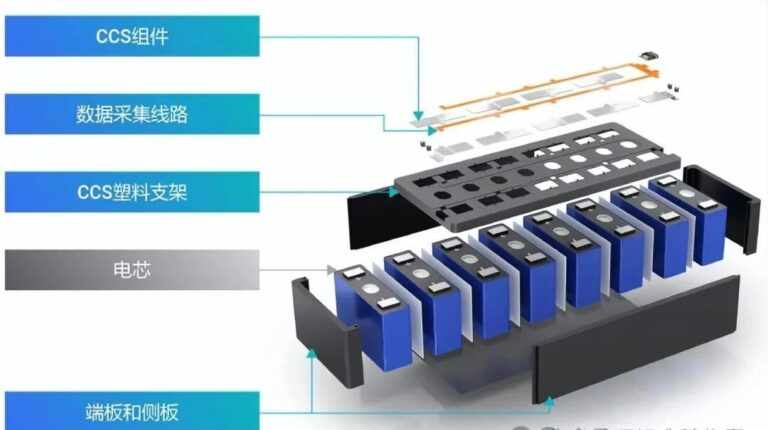
Cell towers sit far from the grid and must stay on air when the commercial supply fails. Operators are retiring lead-acid banks for lithium packs that ride through outages, slash site visits, and tolerate temperature swings. A trusted lithium battery manufacturer can specify a backup battery sized to the load profile of the radio, rectifier, and microwave link, with the BMS and thermal management to survive a shelter or cabinet deployment.

Why Telecom Loads Favor Lithium
A tower draws a steady base load with occasional transmit surges, then must hold for hours or days during an outage. Lithium accepts partial-state-of-charge cycling without sulfation and self-discharges below 2% per month, so a cabinet can sit idle through a calm season and still carry the network when the grid drops. That reliability protects revenue and, more importantly, emergency calls.
Chemistry Choice
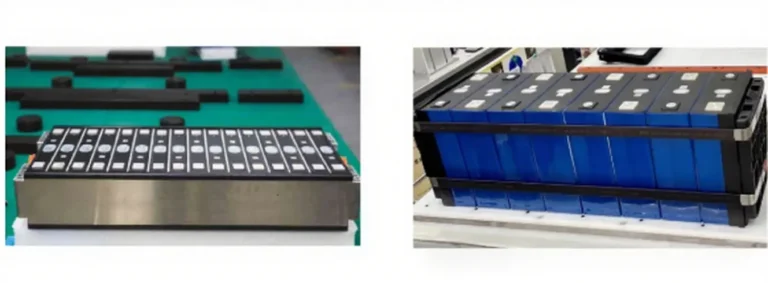
For most shelters and cabinets, lithium iron phosphate (LiFePO4) is the default: stable chemistry, long cycle life, and no gassing. Where space is tight on a rooftop or a pole-mounted enclosure, high-nickel NMC trades some safety margin for energy density. Specify the cell format and BMS to the site’s ventilation, altitude, and ambient range.
Telecom Backup Comparison
| Attribute | LiFePO4 | Lead-Acid | NMC |
|---|---|---|---|
| Cycle life | 3000-6000 | 300-500 | 1000-2000 |
| Self-discharge / month | <2% | 5-10% | 3-5% |
| Maintenance | None | Watering/equalize | Low |
| Weight vs lead | ~60% lighter | Baseline | ~65% lighter |
| 10-year cost | Low | High | Medium |
Sizing and Integration
Size the bank to the worst-case autonomous run the carrier requires — often 8 to 24 hours — plus the rectifier recharge curve. Use a BMS that reports state-of-charge and health over RS485 or CAN to the site controller, and confirm the charger supports a lithium float profile. For hybrid sites with solar, the battery also banks midday PV that would otherwise be curtailed.
People Also Ask
Can lithium replace lead-acid in an existing cabinet? Usually yes, with a charger check and a BMS; many shelters are retrofit without changing the enclosure.
How long does a tower lithium battery last? Typically 8-12 years in shelter service versus 2-4 years for lead-acid, because shallow cycling preserves capacity.
Written by Karl at China Battery Technology. Request a quote.