Home Energy Storage for Remote Research Station
Home Energy Storage for Remote Research Station
Research stations in the Arctic, on isolated islands, and atop remote mountains cannot call the grid when the wind dies. A dependable home energy storage system is the difference between a season of uninterrupted data and an evacuated post. Whether the site runs a weather observatory, a biological field lab, or a seismic array, the storage must ride through weeks of low sun or calm air while powering heaters, instruments, and communications without a technician on site.
Why Off-Grid Research Needs Storage
A remote station’s load is small but absolutely non-negotiable: a freezer of samples, a satellite uplink, sensors that log every minute. Solar and wind are intermittent, and a diesel-only strategy means fuel flown in by plane at enormous cost. Storage smooths the gaps, lets a modest renewable array cover most of the year, and turns a risky logistics problem into a manageable one.
Sizing for Seasonal Load
Start with the worst month, not the average. Total the daily watt-hours for heaters, instruments, and comms, then multiply by the number of consecutive low-generation days you must survive — often 3 to 10 days at high latitude in winter. Add the inverter and temperature losses. A polar station might need 20–80 kWh of usable storage; a tropical island lab with steady sun may need only 5–15 kWh.
Remote Station Storage Comparison
| Attribute | LiFePO4 | Sodium-Ion | Lead-Acid |
|---|---|---|---|
| Cycle life | 4000–7000 | 3000–6000 | 300–600 |
| Cold performance | Needs heating | Good without heat | Poor |
| Maintenance | None | None | Watering |
| Shipping weight | Heavy | Heavy | Very heavy |
| Cost over 10 yr | Low | Low | High |
Cold-Weather Operation
Below freezing, LiFePO4 loses capacity and charges dangerously unless heated. Sodium-ion tolerates −20 °C far better, which can eliminate a heater and its own power draw — a real advantage when every watt counts. If you choose LFP, spec a self-heating pack or an insulated, actively warmed enclosure, and never charge a frozen cell.
Deployment and Monitoring
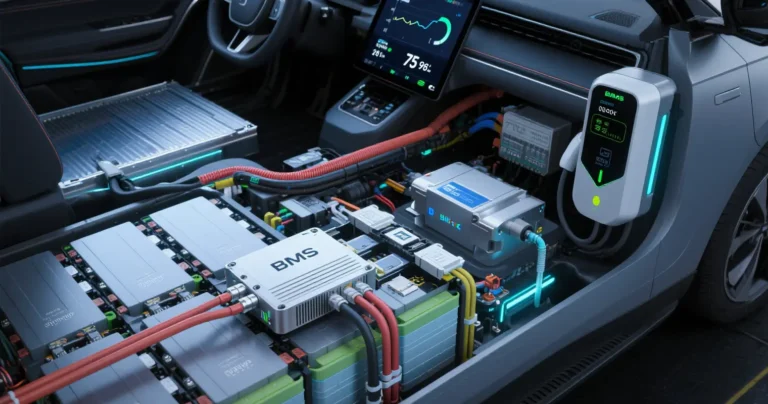
Mount the bank in a vented, insulated shelter above snow line, protect it from wildlife, and put the BMS on the station’s data link so headquarters sees state-of-charge and cell balance remotely. Carry one spare module rather than a whole second system, and train the rotating crew on a five-minute health check. Work with a supplier who has shipped to similar climates and can provide cold-temperature cycle data.
Hybrid Diesel Reduction
The goal at most remote stations is not to delete the generator but to starve it. A properly sized storage bank lets the diesel run a few hours a week for bulk charging and maintenance rather than all winter, which can cut fuel flights by 70% or more. That reduction pays for the battery within a season or two at fly-in locations, and it also shrinks the spill and carbon risk that fieldwork permits increasingly scrutinize.
Spare Parts and Crew Training
Rotating crews are a weakness: the people who arrive in spring did not winterize the system. Document a one-page startup and shutdown routine, label every breaker, and keep a spare BMS and one module on the shelf. A short video walkthrough and a quarterly remote audit by the supplier keep the station from drifting into bad habits that silently erode battery life between visits.
Measuring Success
A remote station’s battery program should be judged on uptime, not specs. Track the share of energy coming from renewables versus diesel, the number of site visits triggered by power faults, and the state-of-health at each crew change. When renewables cover 90% of annual load and power is no longer the reason a season is lost, the storage has done its job — and those numbers build the case for the next station’s budget.
People Also Ask
How big a battery does a remote station need? Typically 5–80 kWh of usable capacity depending on latitude, load, and how many sun- or wind-free days it must bridge.
Is sodium-ion better than lithium for cold sites? For unheated enclosures at extreme cold, yes — it keeps capacity where LFP would need active heating.
Written by Karl at China Battery Technology. Request a quote.