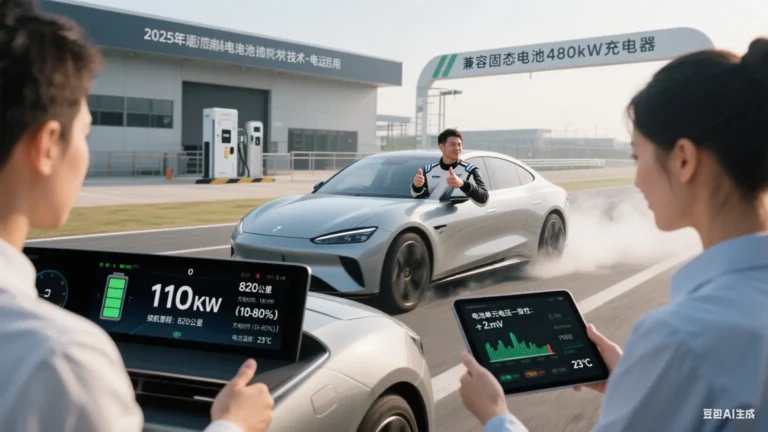
Home Energy Storage for Bungalow: Right-Sized Storage for a Single-Storey Home
Home Energy Storage for Bungalow: Right-Sized Storage for a Single-Storey Home
A bungalow is the easiest house in Britain and northern Europe to run on stored energy. The roof is wide relative to the floor area, so a large array fits without a second storey shading it; the garage or utility is on the same level as the entrance, so a wall-mounted unit is a two-person lift rather than a stairwell project. A well-chosen home energy storage system turns that geometry into lower bills and genuine outage cover.
Why Bungalows Suit Storage
Two structural advantages do the work. First, roof-to-load ratio: a 100 square metre bungalow often carries 25 to 35 square metres of usable roof, enough for a 5 to 7 kWp array that generates more than the building consumes across a year. Second, access: the inverter and battery go on a garage wall at ground level with a short cable run to the consumer unit, which keeps installation cost and voltage drop low. Neither advantage exists in a flat or a three-storey townhouse.
Loft, Garage or External Wall
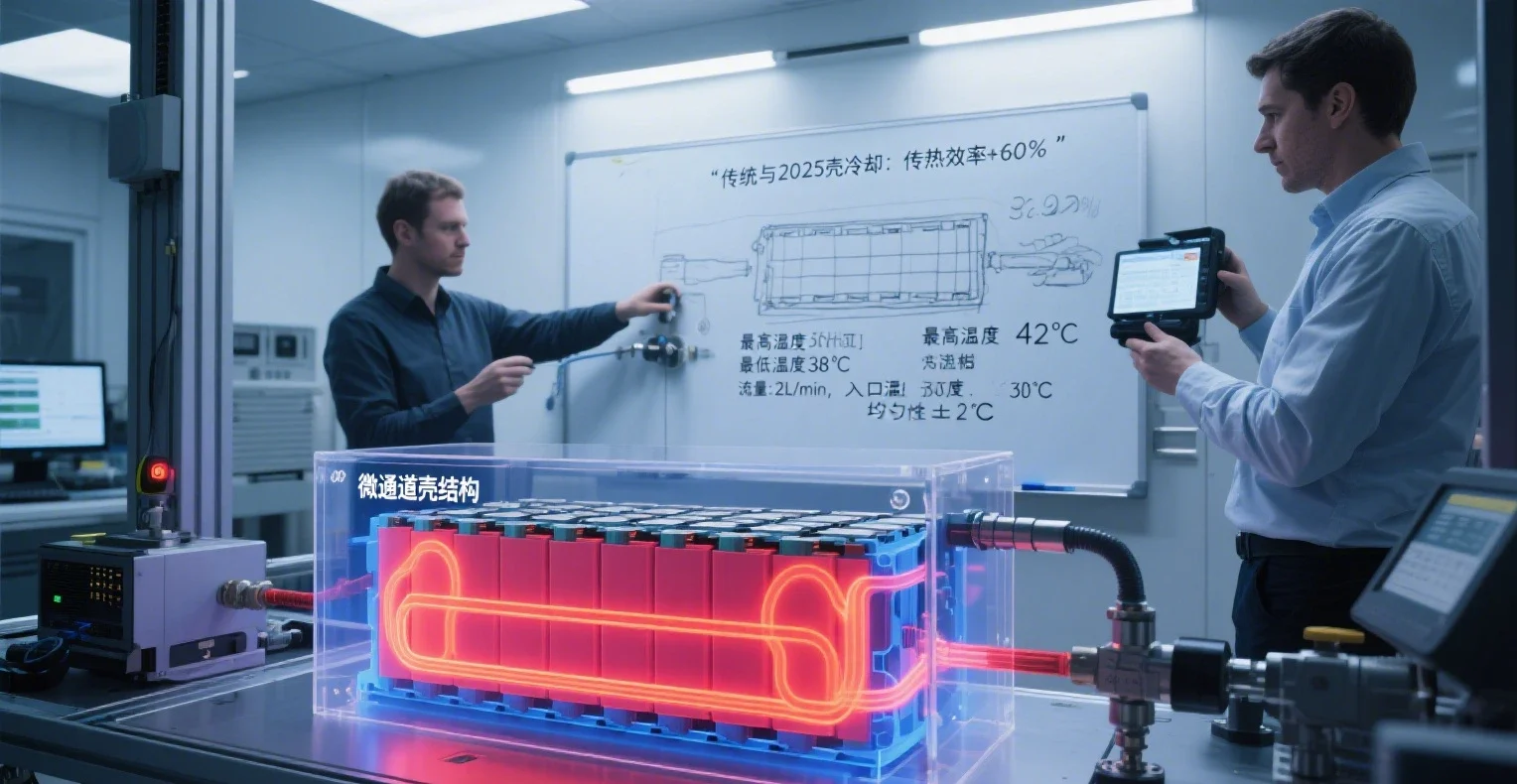
Siting is a thermal decision as much as a spatial one. An unheated garage is fine for lithium iron phosphate down to about freezing, but a pack that charges below zero needs preheating or a conditioned enclosure. A utility room inside the thermal envelope is the cheapest good answer. Avoid a loft in summer: roof-space temperatures above 35 degrees Celsius accelerate calendar ageing, and a battery that cannot reject heat will curtail its own output.
Chemistry Choice
Lithium iron phosphate remains the default: 4000 to 6000 cycles, no ventilation requirement, and tolerance of the shallow daily cycling a bungalow actually sees. Sodium-ion is worth pricing where the building is unheated for long periods or where you want a pack that can be stored at zero volts, and it charges well below freezing. Lead-acid is only rational if the system will genuinely cycle fewer than a hundred times a year, which is rare on a self-consumption tariff.
Bungalow Storage Comparison
| Attribute | LiFePO4 | Sodium-Ion | AGM Lead-Acid |
|---|---|---|---|
| Usable cycles | 4000–6000 | 2500–4000 | 400–700 |
| Usable depth of discharge | 90–100% | 90–100% | 50% |
| Charge below 0 °C | Preheat needed | Good to −20 °C | Poor |
| Ventilation required | No | No | Yes |
| Weight per 10 kWh | ~100 kg | ~130 kg | ~300 kg |
| 10-year cost | Low | Low–medium | High |
Sizing by Occupancy and Routine
Retired or home-working occupants are the ideal storage profile, because daytime consumption coincides with generation. A couple at home most of the day with a 5 kWp array is well served by 10 kWh; add an electric hob or a heat pump and 14 to 16 kWh is more honest. An EV charger changes the arithmetic: charge the car from the array in daylight rather than from the battery at night, or you will simply be cycling the pack to move energy to a larger battery on wheels.
Pairing with Heating and Hot Water
The cheapest stored kilowatt-hour is the one you never convert. A heat pump running at a flow temperature of 45 degrees Celsius delivers three to four units of heat per unit of electricity, so prioritise it over direct electric heating every time. For hot water, a diverter that sends surplus generation to the immersion cylinder is a fraction of the cost of the equivalent battery capacity and should be installed first. Only then size the battery for the remaining load.
Accessibility, Noise and Servicing
Choose a wall position at working height for the isolator and display, with clear space in front for a service visit. Modern hybrid inverters are fan-cooled and audible under load, so avoid a bedroom wall. Keep a metre of clearance, do not box the unit in without ventilation, and make sure the installer leaves the commissioning log and app credentials with the householder.
Grid Connection and Export Limits
Most single-phase domestic connections are limited to 3.68 kW of export without prior approval, and a rural bungalow on a long feeder may be capped lower still. Check the connection offer before ordering so the system is configured for the limit you actually have. Ask the installer to demonstrate a simulated grid failure with your own loads running, and confirm the changeover is short enough that the heating controller does not reboot.
What to Ask a Supplier
Ask for the cycle-life warranty with the depth of discharge and temperature window stated in writing, plus the minimum operating ambient temperature. Insist on a written outage-reserve setting so the pack keeps 20 percent for a grid failure.
People Also Ask
What size battery does a three-bedroom bungalow need? Around 10 kWh for a couple at home during the day, rising to 14 to 16 kWh if you add cooking, a heat pump or a hot tub.
Can the battery go in the garage? Yes, provided the garage stays above freezing in winter. Below that, specify a pack with preheating or choose sodium-ion.
Is a bungalow better than a two-storey house for solar? Usually yes, because there is more roof area per square metre of floor and no shading from an upper storey.
Will it run the whole house during an outage? It will run the essential circuits you put behind the backup gateway. Whole-house backup is possible with a larger inverter, but most households are better served by a protected essentials board.
Written by Karl at China Battery Technology. Request a quote.