Battery Application Solutions for Traveling Circus and Touring Shows
Battery Application Solutions for Traveling Circus and Touring Shows
A touring show sets up and tears down in a different field every few days, often with no grid connection at all, and it has to do it quietly enough that neighbouring residents do not complain. Battery application solutions built around mobile storage replace the constant drone of a diesel genset behind the big top, cut fuel cost, and remove the logistics of hauling hundreds of litres of diesel between towns.
The Touring Power Problem
A traditional setup runs one or two large generators continuously, even when demand is a fraction of the rated output, because the rig needs to be ready for the evening performance. Fuel consumption is therefore driven by availability rather than by load, which is the worst possible economics. A battery bank handles the low overnight and daytime baseline and covers the show itself, with a small generator running only during recharge windows at its most efficient point.
What a Show Actually Draws
Rigging and lighting dominate. A modern LED rig with moving heads may total 30–60 kW, sound reinforcement another 10–20 kW with significant peak headroom, and back-of-house — catering, crew accommodation, ticket wagon, animal enclosures where applicable — adds a persistent 10–25 kW. Peak-to-average ratio is high, which is the signature of a load that a battery handles better than an engine.
Power Source Comparison for Touring
| Attribute | Battery hybrid | Diesel genset | Shore power |
|---|---|---|---|
| Noise on site | Silent | Continuous | Silent |
| Fuel logistics | Minimal | High | None |
| Peak handling | Excellent | Poor sizing | Site-dependent |
| Setup time | Short | Medium | Long |
| Availability | Always | Always | Often absent |
Designing for Weekly Tear-Down
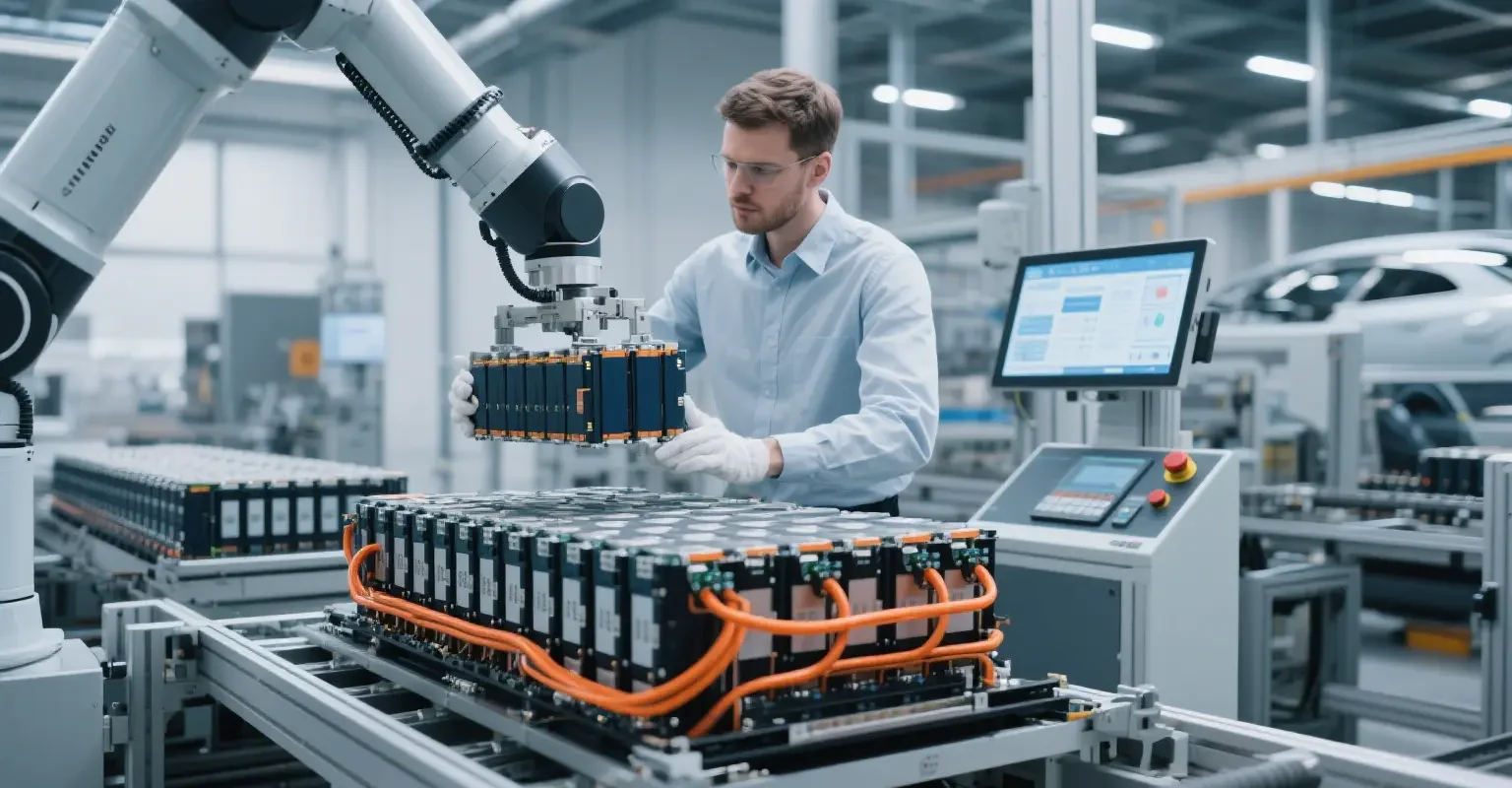
Everything must survive repeated handling. Specify road-case or containerised enclosures with lifting points and forklift pockets, locking connectors rated for hundreds of mating cycles, and cable management that a crew can strike in the dark. Internal cell racking needs vibration isolation rated for unpaved site access, and the BMS should be reachable over cellular so the tour electrician can check state-of-charge from the convoy.
Recharge Strategy on the Road
Most tours recharge from a modest site supply, a small efficient generator, or a combination. Plan for a recharge window of four to six hours between shows, size the charger to the energy actually consumed overnight, and use the generator only at 70–80% load where specific fuel consumption is best. Some operators add fold-out solar on the support vehicles; it rarely covers the show but meaningfully reduces daytime baseline draw.
Safety Around Public and Performers
Storage cabinets must be fenced or caged wherever the public can approach, with clear signage and lockable access. Keep DC cabling away from rigging routes and audience circulation, and fit emergency stop buttons at both the cabinet and the front-of-house position. Where animals are housed on site, place the enclosure downwind and away from ventilation intakes.
What to Ask a Supplier
Ask for the cycle-life figure at the depth of discharge your show actually uses — nightly 80% discharge is far harsher than the 50% many warranties assume. Confirm the enclosure’s transport rating, the recharge time from your available supply, and whether the supplier can support spares at a touring schedule rather than a fixed-site lead time.
People Also Ask
Can a battery run a full evening show? Yes for typical two-hour performances with LED rigs; many tours run the show entirely on battery and use the generator only for recharge.
How heavy is a touring battery system? A 100 kWh containerised unit typically weighs 1.2–1.8 tonnes, comparable to a small generator but without the fuel trailer.
Does it work in winter? Cold reduces usable capacity, so specify a heated enclosure or accept a longer recharge window in near-freezing conditions.
Is it cheaper than diesel? Over a full season, usually yes, because fuel and generator maintenance typically dominate the operating budget of a touring site.
Written by Karl at China Battery Technology. Request a quote.