Sodium-Ion Battery for Construction Equipment: Tough, Cold-Ready Power
Sodium-Ion Battery for Construction Equipment: Tough, Cold-Ready Power
Construction sites are brutal on batteries: dust, vibration, deep discharge, and freezing winter mornings. A sodium ion battery pack is stepping in for the lighter, cycling-heavy roles — jump starters, site lights, cordless tool banks, and small plant — because sodium stays safe and strong where lithium needs heaters and careful management. For fleet owners watching material cost and supply risk, sodium is an increasingly practical choice for stationary and slow-moving site power.
Why Construction Suits Sodium
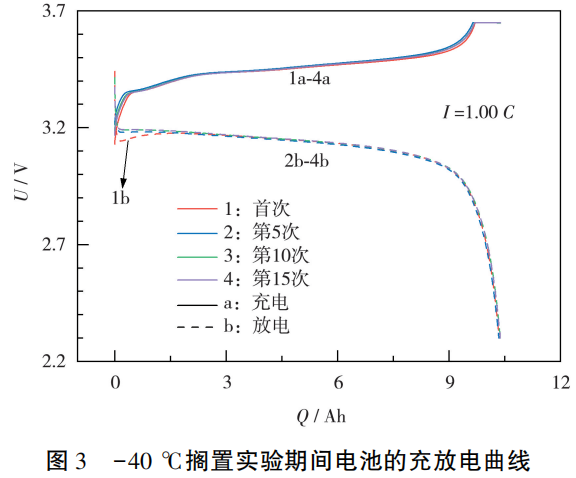
Most site equipment is weight-tolerant and space-tolerant. A sodium pack is heavier and lower-density than lithium, which barely matters for a cart-mounted tool battery or a fixed site-energy box. What matters is that sodium keeps >90% capacity at −20 °C without heaters and resists thermal runaway, simplifying the enclosure on a dusty, hot jobsite where a venting pack is a real hazard.
Best Site Roles for Sodium
Sodium fits deep-cycling, low-and-slow duties: powering site offices, running tower lights overnight, buffering a generator, or feeding cordless-tool charging stations. It is less suited to high-power handheld tools that need maximum energy per kilogram, where lithium still leads on sheer density and discharge rate.
Construction Battery Comparison
| Attribute | Sodium-Ion | LiFePO4 | Lead-Acid |
|---|---|---|---|
| Cold performance | Excellent | Good (needs heat) | Poor |
| Material cost | Lower | Medium | Low-Med |
| Thermal safety | High | High | Medium |
| Cycle life | 3000–5000 | 4000–7000 | 300–500 |
| Weight | High | Medium | Very high |
Sizing a Site Battery
Size to the nightly energy draw plus a margin. A tower light at 100 W for 10 hours needs about 1 kWh; a site office with laptops and a fridge may need 3–6 kWh. Sodium’s lower density means a bigger box, so plan floor space rather than wall space. Pair with a rugged IP65 enclosure and a BMS reporting state-of-charge to the site manager over CAN or RS485.
Deployment Tips
Mount the pack off the ground on a pallet or rack to avoid puddles and debris, and keep terminals covered. Use a generator or grid charger sized for sodium’s charge profile, and balance packs monthly if your fleet mixes ages. Label every pack with install date so you can rotate by throughput instead of guessing which one is weakest.
Choosing the Right Supplier
Work with a supplier that certifies the cells for vibration and temperature, supplies the BMS documentation, and offers spare modules. On a jobsite, a pack you can service beats a sealed brick you throw away after one weak season and a missed deadline.
People Also Ask
Can sodium replace lithium in power tools? Not for the lightest high-power tools yet — sodium is heavier per watt-hour. For site boxes, lights, and slow plant, it is already a strong, cost-saving fit.
Does sodium need a heater in winter? No. It holds capacity in deep cold where lithium needs warming, which is exactly why cold-climate sites are among the earliest adopters.
Written by Karl at China Battery Technology. Request a quote.
Related reading: Sodium-Ion Battery for Offshore Platforms: Safer Remote Power