Sodium-Ion Battery for Satellite Ground Stations: Remote Backup That Holds
Sodium-Ion Battery for Satellite Ground Stations: Remote Backup That Holds
Satellite ground stations sit where the sky is clear and people are not — high plateaus, coastal headlands, desert plains, and arctic ridgelines. The antenna, the modem rack, and the tracking drives all need power that never blinks, often from a hybrid of grid, solar, and generator. A sodium ion battery bank is emerging as a strong fit for these unattended sites because it tolerates temperature extremes, costs less per cell, and does not punish operators for long float periods between outages.
The Load Profile of a Ground Station
Most of the year the battery does almost nothing: it floats while grid or solar carries the modem, LNB, and climate control. Then a storm knocks out the feed and the bank must carry 3–15 kW for hours, including intermittent surges when the tracking motors reposition the dish. This mix of long idle time and occasional deep, high-power discharge is exactly where lead-acid dies quietly and expensively, because plate sulfation happens invisibly during the float years.
Sodium-ion handles the profile well. It sits at partial state of charge without accelerated degradation, delivers strong power on demand, and reports its true condition through the BMS instead of failing on the one night it is needed.
Temperature Is the Real Differentiator
Ground stations are chosen for radio conditions, not comfort. Sites routinely swing between −30 °C in winter and 45 °C shelter temperatures in summer. Lithium iron phosphate needs internal heaters below freezing and refuses to charge cold, which means extra parasitic load and a controller that must decide between heating the pack and running the payload. Sodium-ion retains the large majority of its capacity at −20 °C and accepts charge at temperatures where LFP is locked out, removing an entire failure mode from the site design.
Backup Chemistry Comparison for Remote Sites
| Attribute | Sodium-Ion | LFP (LiFePO4) | VRLA Lead-Acid |
|---|---|---|---|
| Cold capacity (−20 °C) | >90% | ~70% with heaters | ~50% |
| Cold charging | Yes | Blocked below 0 °C | Slow, damaging |
| Cycle life | 3000–6000 | 4000–7000 | 300–600 |
| Float tolerance | Excellent | Very good | Poor (sulfation) |
| Material cost trend | Falling | Medium | Low upfront |
| Maintenance visits | None | None | Quarterly |
Sizing the Bank
Work from the true critical load, not the breaker rating. A single-dish station with a modem rack, LNB, tracking drive, and minimal HVAC often needs 4–8 kW continuous with brief motor surges. Multiply by the mandated autonomy — commonly eight hours for grid-adjacent sites, 48 hours or more for genuinely isolated ones — then add 25% for aging and low-temperature derating. Sodium’s lower energy density costs floor space, which a shelter or container usually has in abundance.
Hybrid Solar and Generator Integration
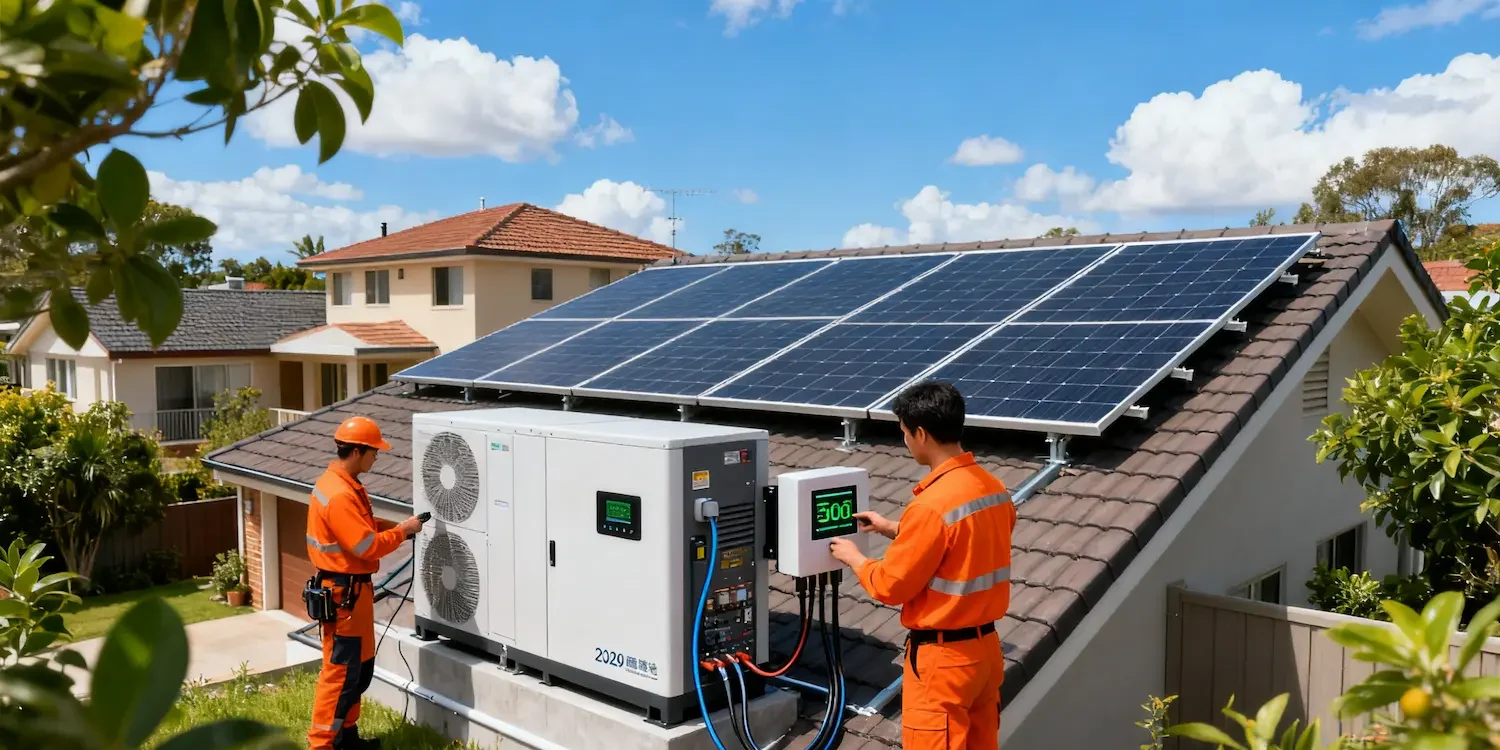
Many stations run solar plus a diesel backstop. The battery’s job is to absorb midday surplus, carry the night, and keep generator starts rare, because every start burns fuel that must be trucked in. Specify a BMS that talks Modbus TCP or SNMP to the site controller so the generator logic can act on real state of charge instead of terminal voltage guesswork.
Safety, Transport, and Commissioning
Sodium-ion can be shipped at zero state of charge, which simplifies air freight and customs to remote regions — a genuine advantage when the site is reachable only by charter flight. Look for IEC 62619 and UN 38.3 documentation, sealed IP54 or better cabinets for dusty plateaus, and a rack design that a two-person crew can install without a forklift.
Choosing the Right Supplier
Ask for measured discharge curves at the temperature extremes your sites actually see, not room-temperature data sheets. Confirm firmware update paths that work over a low-bandwidth satellite link, and require spare-module logistics commitments, since a truck roll to a mountain site can cost more than the module itself.
People Also Ask
Can sodium-ion replace lead-acid in telecom shelters? Yes — it drops into the same 48 V rack footprint with roughly ten times the cycle life and no quarterly maintenance visits, though the bank is physically larger for the same kWh.
Does sodium-ion work below freezing without heaters? It retains most usable capacity around −20 °C and, unlike LFP, will still accept charge, which removes the heater load from the site energy budget.
How long can a bank carry a ground station? Sized at 40–100 kWh, a typical single-dish station rides through 8–24 hours of outage depending on HVAC demand and tracking activity.
Written by Karl at China Battery Technology. Request a quote.
Related reading: Sodium-Ion Battery for Offshore Platforms: Safer Remote Power