Semi Solid State Battery for Electric Cleaning Robot: Safe, Long-Lasting Power
Semi Solid State Battery for Electric Cleaning Robot: Safe, Long-Lasting Power
Autonomous and ride-on cleaning robots now scrub warehouses, airports, and shopping centres around the clock, often with no operator nearby to notice a fault. That changes the safety calculus completely. A semi solid state battery — replacing most liquid electrolyte with a solid or gel composite — gives these machines higher energy density and a much lower thermal-risk profile than conventional lithium-ion, which matters when a robot charges unattended in a busy public space.
Why Cleaning Robots Suit Semi-Solid Cells
A floor scrubber runs long, low-drain shifts with brief high-current bursts from brush and vacuum motors. It charges in a docking station where nobody is watching, sometimes overnight. Reduced free electrolyte means less flammable material and a higher thermal-runaway threshold, so a faulty cell is far less likely to cascade. For facility managers, that lowers insurance and fire-safety overhead.
Energy Density Means Smaller Packs
Cleaning robots are space-constrained — the battery competes with the water tank, brushes, and sensors. Semi-solid cells pack more watt-hours per litre than liquid Li-ion, letting designers shrink the pack or extend runtime without enlarging the robot. That extra room can go to a bigger solution tank or better navigation electronics.
Lifecycle and Maintenance
These robots cycle daily, so calendar and cycle life dominate cost of ownership. Semi-solid chemistry tolerates partial-state-of-charge charging well, which suits opportunity top-ups at the dock between zones. Expect 3000–5000 cycles at usable depth, roughly doubling the pack life you would get from lead-acid and beating many liquid cells in high-ambient-heat environments.
Robot Battery Comparison
| Attribute | Semi-Solid | Liquid Li-ion | Lead-Acid |
|---|---|---|---|
| Energy density | High | Medium | Low |
| Thermal risk (unattended) | Low | Medium | Low |
| Cycle life | 3000–5000 | 1500–3000 | 300–500 |
| Pack size for same runtime | Small | Medium | Large |
| Maintenance | None | Low | High |
Procurement and Deployment
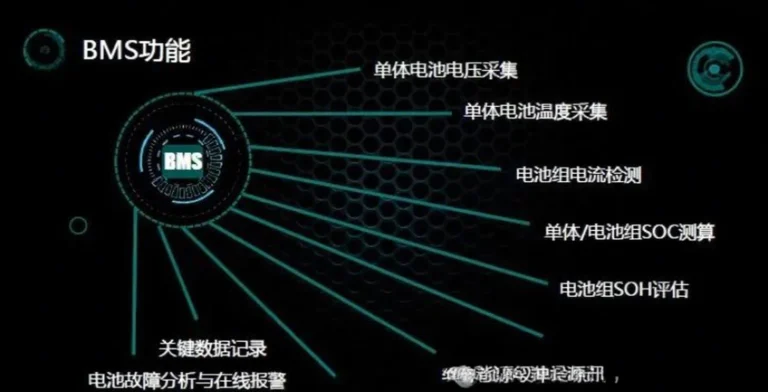
Specify a BMS with cell-level monitoring, over-temperature cutoff, and CAN/RS485 reporting so the fleet manager sees pack health remotely. Require IP-rated enclosure against water and cleaning chemicals, and confirm the dock charger matches the semi-solid charge profile. Work with a supplier that provides documentation for workplace safety audits and spare-pack lead times.
Cost and Market Outlook
Semi-solid packs cost more per watt-hour than lead-acid today, but the total cost of ownership favours them in unattended duty. Fewer pack replacements, no watering, and lower fire-safety expenditure add up across a multi-robot fleet. As production scales through 2026–2028, pricing is expected to converge with premium liquid Li-ion, making semi-solid the default for new cleaning-robot platforms where safety certification and runtime are selling points. Buyers should qualify a supplier’s roadmap and warranty before standardising the fleet on the chemistry.
What to Ask a Supplier
Request cycle-life data at your real depth of discharge, not the best-case brochure number, and ask for the thermal-runaway threshold and any certification for unattended charging. Confirm spare-pack lead times and whether the BMS reports health remotely so a failing cell is caught before it strands a robot mid-shift. A supplier with documented deployments in similar facilities is worth a small premium over the lowest bid when safety and uptime are the priorities.
People Also Ask
Are semi-solid batteries safe to charge unattended? Yes — their reduced liquid electrolyte and higher thermal threshold make them a lower-risk choice for dock charging with no operator present.
Do they last longer than normal lithium? In daily-cycling cleaning duty they typically outlast liquid Li-ion and far outlast lead-acid, lowering the cost per operating hour.
Can I retrofit an existing robot? Often yes, if the voltage and form factor match; confirm the charger supports the semi-solid profile before swapping the pack.
Written by Karl at China Battery Technology. Request a quote.
Related reading: Semi-Solid State Battery for VR Headsets: Lighter, Safer Immersion