Sodium-Ion Battery for Electric Passenger Train: Heavy-Route Storage
Sodium-Ion Battery for Electric Passenger Train: Heavy-Route Storage
Battery-electric and partial-electrified passenger trains need a buffer that absorbs brutal acceleration currents and feeds them back on braking, all while riding in a cold, vibration-heavy bogie. A sodium ion battery is emerging as a compelling choice for these heavy routes because sodium is cheap, abundant, and performs well in the unheated depots where trains idle overnight and where lithium would demand bulky heating.
Why Trains Suit Sodium
A train traction pack is sized for power as much as energy. Sodium-ion cells deliver the pulse current for acceleration and soak up regenerated braking energy efficiently, while their lower material cost matters because a single trainset carries far more cells than a car. Where weight is less critical than on a road vehicle, sodium’s lower energy density is an acceptable trade for a smaller bill and a more secure supply chain that avoids nickel and cobalt entirely.
Cold-Depot Advantage
Rail depots in northern climates often sit at −20 °C for weeks. Sodium-ion keeps more than 90% of its capacity at that temperature without the heater burden lithium needs, so a parked trainset starts the morning with the charge it parked with. That removes a whole layer of thermal management from the rolling-stock design and shrinks the depot’s own energy draw in winter.
Train Battery Comparison
| Attribute | Sodium-Ion | LFP (LiFePO4) | NMC |
|---|---|---|---|
| Cold capacity (−20 °C) | >90% | ~70-80% (heated) | ~60-70% |
| Material cost | Lower | Medium | Higher |
| Supply risk | Low | Medium | High (Ni/Co) |
| Safety | High | High | Medium |
| Energy density | Low-Medium | Medium | High |
Sizing a Trainset Pack
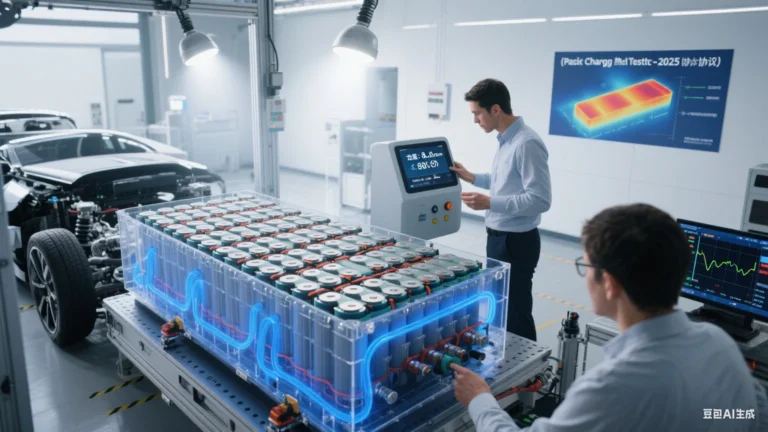
For a battery-electric multiple unit, size the pack to cover the longest non-electrified section plus acceleration headroom, then add margin for degraded-cell years. A wayside or depot charger tops up between runs; on partially electrified lines the battery carries the train through gaps and captures braking energy on the electrified segments. The BMS must report health to the fleet system over the train’s data bus and flag any string that drifts from the pack average.
Deployment and Maintenance
Mount packs in vibration-isolated, ventilated bogie or roof enclosures with ingress protection suited to track spray and ballast dust. Schedule capacity verification at defined mileage, not just calendar time, because rail duty is bursty and a single weak string can cap a train’s range. Sodium’s long cycle life and tolerance of partial state of charge mean maintenance intervals stretch compared with lead-acid legacy systems still running on some branch lines.
Procurement and Standards
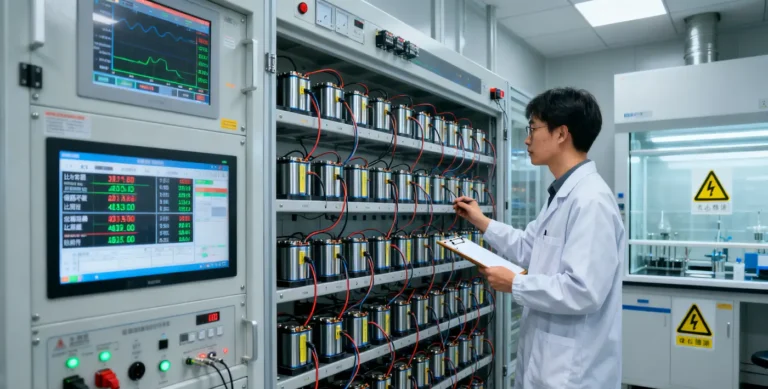
Specify compliance with the relevant railway fire-safety and EMC standards, and require cell-level fusing plus redundant contactors given the energy involved. Ask suppliers for cycle-life data at the actual depth of discharge the route demands, and validate a sample pack on a test rig before a fleet commitment. Documenting the thermal case — minimal heating for sodium — also simplifies the depot’s own safety sign-off.
People Also Ask
Is sodium-ion ready for rail? Pilot battery trains using sodium-ion have run in Asia and Europe through 2025-2026, and volume deployment is beginning on suitable routes.
When would lithium still win? On routes where every kilogram matters or range per charge is the binding constraint, LFP or NMC remain the denser choice.
Does sodium need heating in winter? Far less than lithium; it retains most capacity cold, though extreme sites may still add light thermal management.
How is braking energy recovered? The pack absorbs regenerated current during deceleration, then discharges it on the next acceleration, cutting grid draw and wear on shoes and rails.
Written by Karl at China Battery Technology. Request a quote.
Related reading: Sodium-Ion Battery for Offshore Platforms: Safer Remote Power