Sodium-Ion Battery for Electric Garden Tools: Lightweight, Cold-Ready
Sodium-Ion Battery for Electric Garden Tools: Lightweight, Cold-Ready
Homeowners and grounds crews are swapping gas trimmers, blowers, and shears for cordless electric tools, and the battery chemistry behind them is diversifying. The sodium ion battery is emerging as a practical option for garden tools because sodium is abundant, inexpensive, and — unlike lithium — keeps working in the cold snaps when leaves and snow actually need clearing. For tools measured by the dozen in a municipal shed, material cost and winter reliability matter more than squeezing out the last gram of weight.
Why Garden Tools Suit Sodium
Garden tools run in short, irregular bursts: a trimmer pulls hard for ten seconds, rests, repeats. Sodium-ion cells handle partial-state-of-charge cycling without damage and shrug off the shallow, frequent discharges that shorten lead-acid life. Because a tool battery is rarely weight-critical the way an e-bike pack is, sodium’s lower energy density is a non-issue, while its lower cell cost makes fleet replacement cheaper across a whole parks department or landscaping company.
Cold Performance Is the Killer Feature
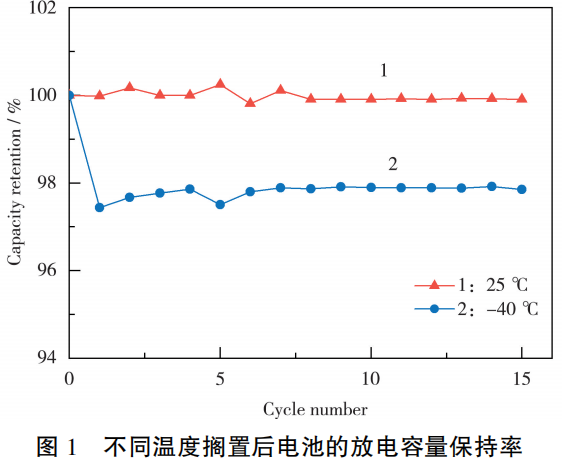
Lithium-ion loses capacity fast below freezing and charges poorly in the cold, which is exactly when blowers and ice-breaking tools get used. Sodium-ion retains more than 90% of capacity at −20 °C and charges without the heaters a lithium pack would need. For northern climates, that reliability removes the annual complaint that “the battery died the first cold morning,” and it lets crews store packs in an unheated garage without babying them.
Garden Tool Battery Comparison
| Attribute | Sodium-Ion | Li-ion (NMC) | NiCd |
|---|---|---|---|
| Capacity at −20°C | >90% | ~60–70% | ~80% |
| Cell material cost | Lower | Higher | Medium |
| Memory effect | None | None | Yes |
| Cycle life | 3000–6000 | 500–1000 | 1000–2000 |
| Weight | Medium | Low | High |
Choosing the Right Pack
Match voltage to the tool platform — 18 V, 36 V, or 40 V class — so a single charger serves the whole shed. Look for a BMS with over-discharge and temperature cut-off, since garden tools are often left half-charged in a cold garage. For municipal or rental fleets, standardize on one pack size to simplify spares and avoid cross-tool incompatibility that strands a crew mid-job.
Fleet Replacement Economics
Because sodium cells use aluminum, iron, and manganese instead of nickel and cobalt, the pack price per kilowatt-hour trends lower than lithium as volume rises. A landscaping company replacing twenty trimmers every spring sees the saving compound across the fleet, and the longer cycle life means fewer packs land in e-waste. The payback is clearest where tools are used hard and stored cold.
Charging and Cold-Weather Storage
Sodium-ion’s tolerance for low temperatures means you can charge it in an unheated shed where a lithium pack would refuse or need a blanket heater first. Store packs at a partial state-of-charge over winter and top them up every couple of months; unlike lead-acid, they will not sulfate while sitting idle. Keep chargers dry and off the floor, label sodium and lithium banks so they never get mixed, and the fleet stays ready for the first trim of spring without a conditioning cycle or a surprised technician reaching for the wrong charger.
People Also Ask
Is sodium-ion ready for consumer garden tools? Yes — sodium-ion cells are shipping in power-tool and light-vehicle pilots as of 2025–2026, and several OEMs are qualifying them for outdoor equipment.
When should I still choose lithium? When you need the lightest possible pack for all-day handheld use; otherwise sodium’s cold performance and lower cost make it the smarter fleet choice.
Can I mix sodium and lithium packs on one site? Keep them on separate tool platforms — chargers and connectors differ, so label them clearly to avoid plugging a sodium pack into a lithium charger.
Written by Karl at China Battery Technology. Request a quote.
Related reading: Sodium-Ion Battery for Offshore Platforms: Safer Remote Power