Sodium Ion Battery for Electric Sweeper: Clean Roads, Lower Cost
Sodium Ion Battery for Electric Sweeper: Clean Roads, Lower Cost
Municipal and industrial sweepers run short, repetitive routes — a few hours a shift, then back to the depot to charge. That duty cycle is exactly where a sodium ion battery makes financial sense: sodium raw materials are abundant and cheap, and the cells stay healthy through the shallow, daily cycling a sweeper demands. For fleet managers watching whole-life cost, sodium is quickly moving from experiment to practical procurement.
Why a Sweeper Suits Sodium
A street sweeper is not a long-haul vehicle. It accelerates, brushes, and vacuums in bursts, then idles between passes. The pack rarely sees a deep discharge, so cell calendar life — not peak energy density — drives the economics. Sodium-ion tolerates partial state of charge without the memory or sulfation issues that plague lead-acid, and it needs no active cooling in temperate climates. Because a sweeper is low-speed and heavy, the extra mass of sodium cells is a non-issue compared with a passenger car.
Cold-Weather Advantage
Sweepers work year-round, including freezing mornings. Sodium-ion keeps more than 90% of its capacity at −20 °C without heaters, whereas lithium iron phosphate needs thermal management to deliver similar output. For northern cities, that means reliable brush power on the first cold run of the day and no heater energy eaten from the pack. It also removes a common failure mode where a heated lithium pack sits idle overnight and arrives at the shift with less usable range than expected.
Sweeper Battery Comparison
| Attribute | Sodium-Ion | LiFePO4 | Lead-Acid |
|---|---|---|---|
| Material cost | Lower | Medium | Medium |
| Cold capacity (−20°C) | >90% | ~70% (with heat) | ~50% |
| Cycle life | 3000–6000 | 4000–7000 | 300–500 |
| Weight | Heavier | Medium | Heaviest |
| Maintenance | None | None | Watering |
Sizing and Charging
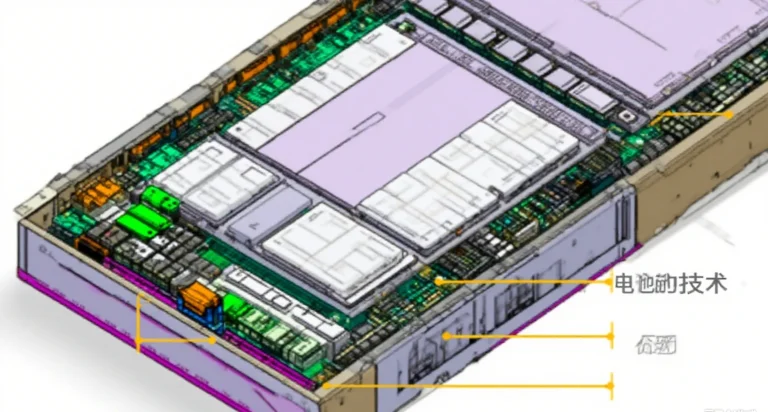
Size the pack to cover a full shift plus a margin — typically 15–40 kWh for a mid-size sweeper — and specify opportunity charging at the depot between shifts. Sodium’s high tolerance for partial charging means you do not need a full 100% cycle nightly; a top-up at lunch keeps the afternoon route covered. Choose an IP65 enclosed pack rated for road vibration and dust, with a BMS that reports state-of-charge and throughput to the maintenance team over CAN bus.
Total Cost of Ownership
The purchase price is only part of the story. Lead-acid sweeper batteries are cheap up front but need watering, equalizing, and replacement every two to four years; the labor and downtime add up across a fleet. Sodium-ion costs more per kWh than lead-acid yet lasts far longer and asks for nothing between services. Against LiFePO4, sodium’s edge is material price and supply security — no lithium, nickel, or cobalt exposure — which matters when you are buying a dozen packs at once and want predictable budgeting.
Deployment and Maintenance Tips
Standardize the depot charger on a sodium-compatible profile so any pack fits any bay, and label the bays to avoid mixing chemistries by mistake. Train operators to plug in between shifts rather than waiting for a full depletion; partial charging is where sodium shines. Inspect brush pressure and filter loading monthly — an overworked sweeping head draws more current and quietly shortens range, so good housekeeping protects both the battery and the cleaning result.
Getting the Most from the Pack
Track each pack’s throughput with the fleet BMS so you can balance rotation and catch a weak cell early. Pair the battery with a depot charger that supports a lithium/sodium profile, and keep the brushes and filters maintained — a clean, efficient sweeper draws less from the pack and stretches range further. Over a multi-year contract, that data also tells you exactly when to schedule replacement before a pack strands a crew mid-route.
People Also Ask
Can sodium replace lithium in an existing sweeper? Yes for most depot-based models, provided the charger and BMS support a sodium voltage window; the heavier weight is rarely an issue for low-speed sweepers.
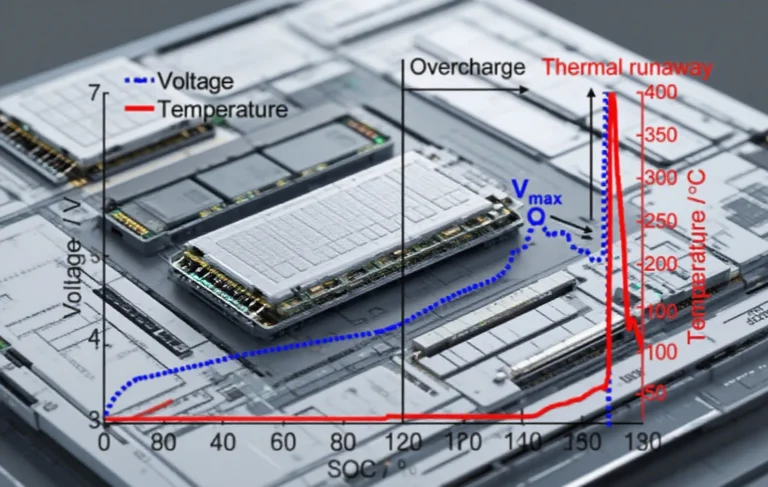
Is sodium-ion safe for public fleets? It has no dendritic lithium and a higher thermal-runaway threshold, which simplifies enclosure and fire-safety sign-off for urban depots.
How long does a sweeper sodium pack last? Typically 6–10 years in daily municipal service, versus 2–4 years for lead-acid, because shallow cycling and low self-discharge preserve capacity.
Written by Karl at China Battery Technology. Request a quote.
Related reading: Sodium-Ion Battery for Offshore Platforms: Safer Remote Power